*This AI-generated summary is based on reporting by TaiwanPlus and verified by newsroom fact checkers. Learn more about our policy here.
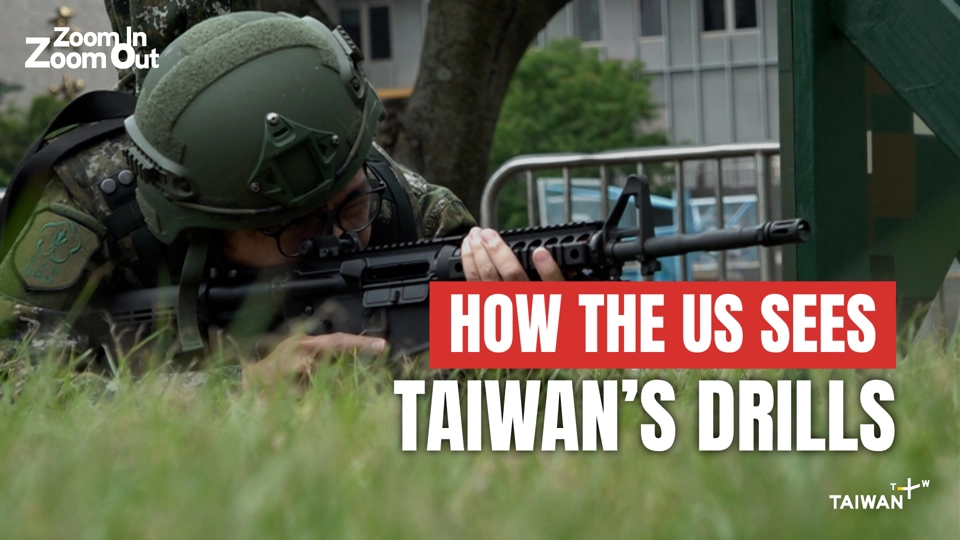
Taiwan is ramping up efforts to modernize its military and deepen defense ties with the United States, according to Randall Schriver, a former Pentagon official who recently visited Taipei.
Schriver, chairman of the Institute for Indo-Pacific Security, said the relationship has broadened beyond weapons deals into joint training and planning, even as China steps up its military activities near the island.
“We’ve had a chance to meet with senior leaders all the way to include the president Lai and the vice president,” Schriver said in an interview. “We saw some capabilities that Taiwan has in terms of shipbuilding, in terms of unmanned systems that are being developed and Taiwan is training on.” He described Taiwan as “really busy in terms of making necessary preparations for deterrence.”
Schriver emphasized that Washington’s ties with Taipei have become more sophisticated. “It’s only grown closer and closer the last few years, and I’m really delighted that the relationship has moved beyond just security assistance, just arms sales. And now they’re elements that involve training, that involve planning,” he said.
But he noted challenges remain in the absence of formal diplomatic recognition. “We still have some constraints as a non-diplomatic partner,” Schriver said. “We have security assistance, arms sales, but there’s backlogs. We have the potential for defense industrial cooperation, including in the emerging tech sector. But that’s slow to come online because that requires industry, that requires decisions by Taiwan’s government, our government.”
President Lai Ching-te’s administration has promised to expand military budgets, both through regular annual increases and special appropriations. Schriver said that commitment is important but added, “The real challenge is not just to spend more, but to spend wisely.”
Part of the new spending targets innovation in unmanned systems paired with artificial intelligence, which Schriver suggested could help Taiwan offset China’s numerical advantage. “Taiwan’s always going to be outmatched. There’s no way to close that gap. But unmanned systems, autonomous capabilities, all that helps to close that gap a little bit,” he said.
China’s People’s Liberation Army has maintained frequent air and naval operations around Taiwan, maneuvers that Schriver described as practice for conflict. “That’s not just intimidation, that’s experimentation, that’s getting better, that’s improving,” he said. He added that Beijing has indicated it intends to be ready to invade by 2027. “I think we need to take them at their word,” he said.
Schriver also commented on Taiwan’s recent use of semiconductor export controls against South Africa during a diplomatic dispute. “Well, it strikes me as somewhat experimental that Taiwan has some leverage,” he said. “I suspect it won’t be successful, and that what I would worry about is sort of a spiral of tit for tat actions.”
Despite international pushes to diversify semiconductor supply chains, Schriver said Taiwan remains vital. “We should have a lot of confidence in Taiwan’s ability to continue to play that role as a global leader, particularly a dominant leader in the supply chain when it comes to these high-end chips,” he said.
For Schriver, the rationale for backing Taiwan is rooted in U.S. interests. “We do the work because we think it’s in U.S. interests, and that’s the foundational pillar for what we do at IIPS,” he said.
 14:48
14:48 14:47
14:47 14:48
14:48 14:48
14:48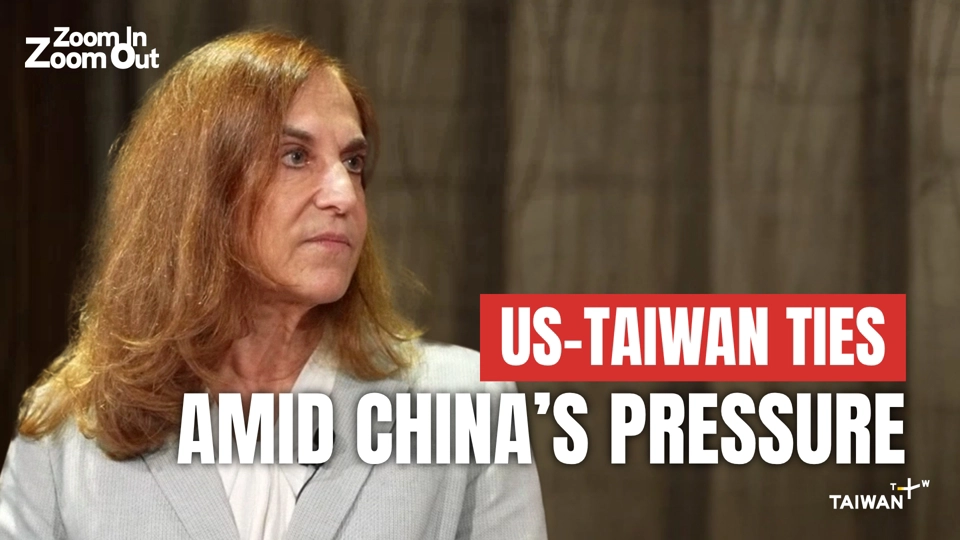 14:48
14:48 13:39
13:39 14:49
14:49 14:48
14:48 13:43
13:43 14:07
14:07 14:18
14:18 14:47
14:47 14:48
14:48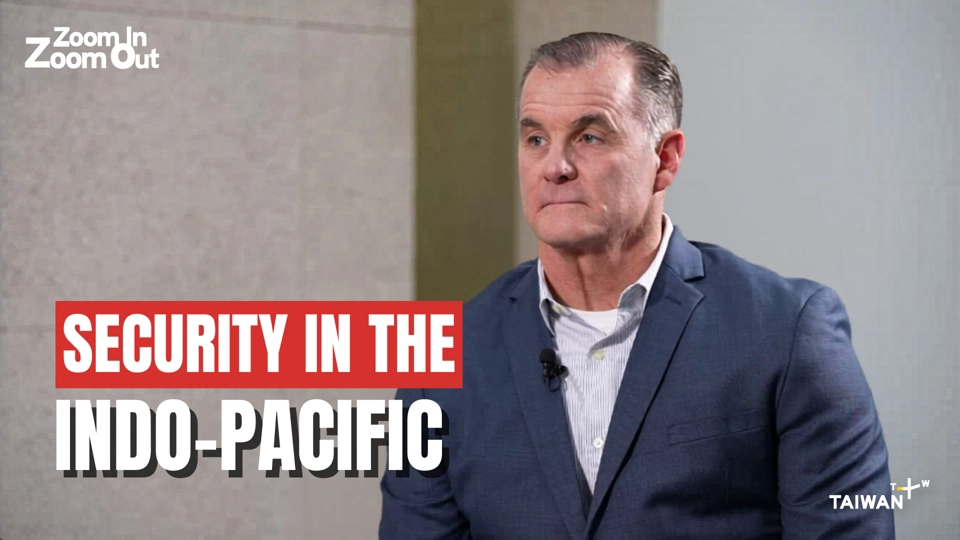 14:17
14:17 14:51
14:51 14:53
14:53