*This AI-generated summary is based on reporting by TaiwanPlus and verified by newsroom fact checkers. Learn more about our policy here.
Firefighters in Taiwan face dangers beyond burning buildings. Long shifts, chemical exposure and psychological trauma are all part of the job, officials and front-line responders say, as the government works to strengthen protections for the country’s 15,000 firefighters.
“Our three main duties are fire prevention, disaster rescue and emergency medical services,” said Chien Wan-yao, deputy director-general of the National Fire Agency. “Disaster rescue covers a wide range of emergencies from natural to man-made disasters like typhoons, earthquakes, floods and landslides.”
The workload is heavy. National statistics show firefighters respond to about 1.3 million ambulance calls and nearly 48,000 fires annually, requiring more than 480,000 vehicle deployments. Car accidents account for the bulk of ambulance calls.
Chien said becoming a firefighter requires years of preparation. Recruits either study at the Taiwan Police College or pass a civil service exam before undergoing one to two years of training. “To become a firefighter requires at least a year of professional training,” he said.
But once on the job, the hazards extend well beyond flames. Firefighter Hsu Feng-sheng described sleepless nights that stretch into decades. “The first risk we face is that our sleep is consistently interrupted,” he said. “On paper that is six hours, but it’s broken up and you’re up every couple of hours. Imagine living like that for ten or twenty years.”
The psychological toll can be just as severe. “At disaster scenes … you see a lot of bloody bodies, severed limbs or blood,” Hsu said. “You just can’t say for sure until it happens whether you might develop PTSD or be scarred by it.”
Firefighters are also exposed to toxins that linger long after a blaze. “Inside fire zones, toxic substances from the burning materials can stick to our firefighting uniforms,” Hsu said. For years, Taiwanese firefighters had only one set of gear, forcing them to continue working in contaminated suits. Only recently did the government begin issuing two uniforms per person.
Chien acknowledged the risks. “When our firefighters are exposed to these chemicals and harmful substances over a long period, it can lead to chronic respiratory issues and even increase the risk of cancer,” he said.
The National Fire Agency has introduced employee assistance programs in every city and county to provide counseling. “We hope that any colleagues who are experiencing such difficulties will be brave enough to ask for help,” Chien said. A specialized psychological support team now travels nationwide to offer stress assessments, group counseling and individual therapy.
Looking ahead, the agency plans to expand its ranks to 18,000 firefighters, reduce administrative burdens, and introduce more technology to minimize danger. “We want our staff to have a more balanced system that lets them maintain a balance between work and rest,” Chien said.
Despite the hardships, officials say the mission remains clear. “Our job is to respond to emergencies and provide assistance to those in need,” Chien said. “A simple phone call is all it takes for our firefighters to arrive on the scene and provide assistance.”
 14:48
14:48 14:47
14:47 14:48
14:48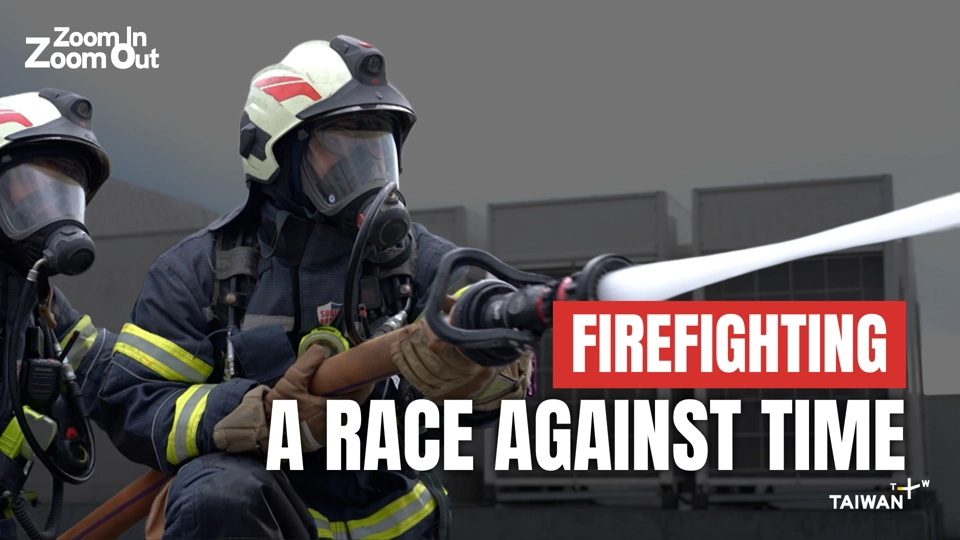 14:48
14:48 14:48
14:48 13:39
13:39 14:49
14:49 14:48
14:48 13:43
13:43 14:07
14:07 14:18
14:18 14:47
14:47 14:48
14:48 14:17
14:17 14:51
14:51 14:53
14:53