*This AI-generated summary is based on reporting by TaiwanPlus and verified by newsroom fact checkers. Learn more about our policy here.
Taiwan and the Philippines are moving closer together through a new visa waiver, cultural exchanges, and growing cooperation in education and labor rights, according to Manila’s top envoy in Taipei.
Since July 1, citizens of both countries have been allowed to travel visa-free for up to 14 days. Cheloy Garafil, chair of the Manila Economic and Cultural Office (MECO) in Taiwan, said the agreement marks a significant step forward.
“Yeah, it’s it’s been one of the major asks of your people of Taiwan since I came into office,” she said. “We’re just glad that it’s been implemented. It shows really the significance of the openness of the Philippines, of our government to really promote and strengthen our people-to-people ties.”
Garafil said Taiwan’s proximity and affordability make it an attractive destination for Filipinos. “Filipinos love to travel. But I think the appeal of Taiwan to Filipinos is probably the proximity, because it’s just less than two hours away from Manila. And then of course, you have very reasonable rates. … We feel safe, we feel secure. And you have very nice tourist spots.”
She added that visa-free travel has transformed Taiwan’s image in the Philippines. “When we implemented the no visa policy, that’s when Filipinos started to consider Taiwan. And now we’ve seen that Filipinos have become the number one source of tourists for Taiwan.”
Cultural exchanges are also deepening ties. Garafil cited the recent concert in Taiwan by Filipino boy band SB19, art exhibits by Filipino painters, and athletes joining Taiwanese basketball teams. “There have been lots of cultural exchanges and many more are coming,” she said.
Filipino films are reaching Taiwanese audiences as well. Garafil pointed to a recent screening at the New Southbound Festival. “It’s a very it has a very controversial topic, but I hope people will watch it,” she said of the film Sunshine.
On labor issues, Garafil said cooperation with Taiwan’s Ministry of Labor has helped address migrant workers’ concerns. “Compared to other countries, migrant workers here are treated more fairly, and are given more rights and more privileges,” she said. She added that Filipino officials regularly visit workplaces and dormitories to ensure contracts are honored.
Still, some challenges remain. “Employment here in Taiwan is limited to just a maximum of 14 years,” Garafil said. Many arrive in their 20s, and “if the 14-year period expires, they’re still at the prime of their life. … Many of the Filipinos here who are working here enjoy working here. So they would, of course, want to stay on, but are really limited with the restrictions.”
Garafil also highlighted cooperation in disaster training. Filipino firefighters recently trained in Taipei, and she said both governments plan to renew the agreement. “It’s been a very helpful program for our firefighters, especially for the Philippines, and not only for fire incidents, but disaster resilience.”
Education is another area of growth, with Taiwan drawing Filipino students seeking higher education and part-time work opportunities. “Taiwan has been very aggressive of late in attracting students from the Philippines,” Garafil said.
Looking ahead, Garafil said Manila is encouraging Taiwanese businesses to invest in the Philippines. “We believe that we are your closest neighbor. So it makes sense that you put in some of your investments or some of your business to the Philippines as maybe some form of a backup office.”
Reflecting on her role since 2024, Garafil described her work as “exhilarating and inspiring. Because now I see that I can do so many things for the Philippines. And I see Taiwan as a way of making things better for the Filipinos.”
 14:48
14:48 14:47
14:47 14:48
14:48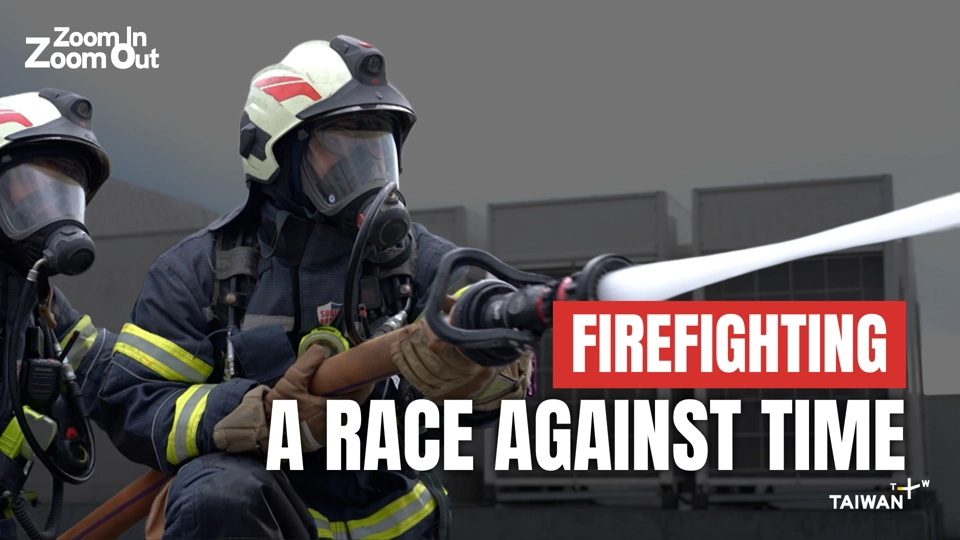 14:48
14:48 14:48
14:48 13:39
13:39 14:49
14:49 14:48
14:48 13:43
13:43 14:07
14:07 14:18
14:18 14:47
14:47 14:48
14:48 14:17
14:17 14:51
14:51 14:53
14:53