This AI-generated summary is based on reporting by TaiwanPlus and verified by newsroom fact checkers. Learn more about our policy here.
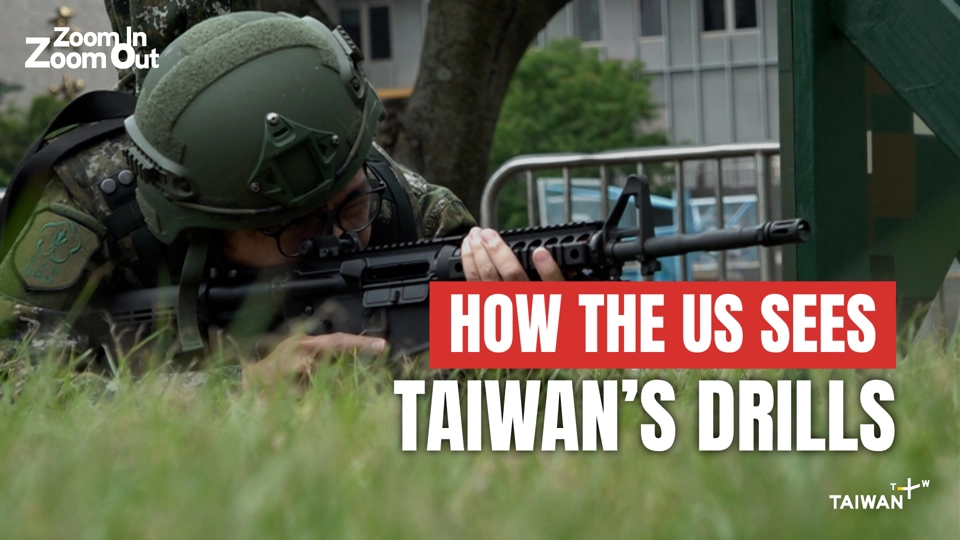
Taiwan’s annual Han Kuang military exercise is expanding in scope and duration this year, with defense officials citing the need for greater resilience in the face of potential Chinese aggression, including amphibious assaults and gray-zone warfare.
The 41st iteration of the drill, now lasting two weeks instead of one, incorporates unscripted scenarios and calls up 22,000 reservists. According to Tony Hu, former senior director for China, Taiwan and Mongolia at the U.S. Department of Defense, the exercise is a crucial test of the island’s capacity to absorb and respond to a sustained assault.
“Resiliency is a key part of Taiwan's Han Kuang exercise because they have to sustain the fight,” Hu said. “If you don't have resistance, resiliency after the first strike, it's over.”
Hu noted the importance of being able to shift personnel and resources between combat zones and emphasized the need to bolster logistics. “Taiwan needs to increase its reserve stock and increase its ability to protect the transportation link that to move forces,” he said. “Certainly the command control structure to ensure they can survive and continuously survive.”
As concerns mount over a potential invasion, Hu argued that China would likely aim for a swift and decisive outcome. “I believe China is going to have the first strike is the final strike because I don't think they can survive a second,” he said. “The chances of China having sufficient forces to do a second wave is going to be unlikely.”
He added that Taiwan’s ability to “survive a continuous strike” and maintain resupply through allied coalition forces would be essential in such a conflict.
Still, Hu pointed to cultural challenges within Taiwan’s military structure that could hinder battlefield performance. “This is an area where Taiwan needs to improve,” he said, referring to lower-level autonomy in decision-making. “Taiwan needs to improve on that.”
Hu also highlighted the role of advanced simulators and overseas training in improving readiness. “Taiwan actually has the most advanced Patriot training system,” he said. “These are the things that help make a newcomer who joined the military feel: I’ve done something, I’ve learned something.”
On the political front, Hu said Taiwan is financially capable of meeting a proposed 5% of GDP defense spending target. But he stressed the importance of changing public attitudes toward military service.
“Military service actually helps transform your son or daughter from youth to men and women,” he said. “It provides them the mental toughness and the self-discipline that you need to survive in today's society.”
Ultimately, Hu said the value of Han Kuang lies in its ability to reveal shortcomings. “If you can find those shortfalls, you have done 50% of the success,” he said. “The other 50% is corrective action to fix that problem.”
“Every year Taiwan gets better.”
 14:48
14:48 14:47
14:47 14:48
14:48 14:48
14:48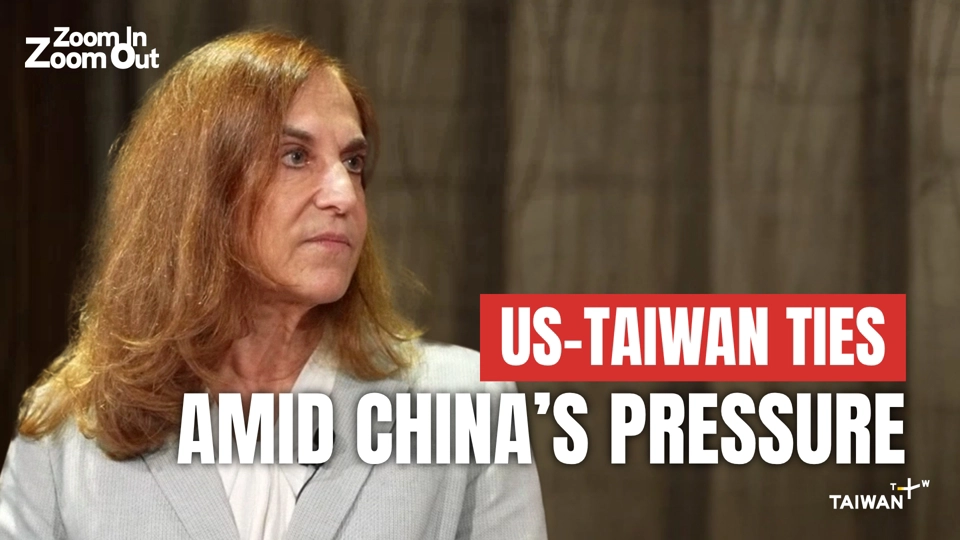 14:48
14:48 13:39
13:39 14:49
14:49 14:48
14:48 13:43
13:43 14:07
14:07 14:18
14:18 14:47
14:47 14:48
14:48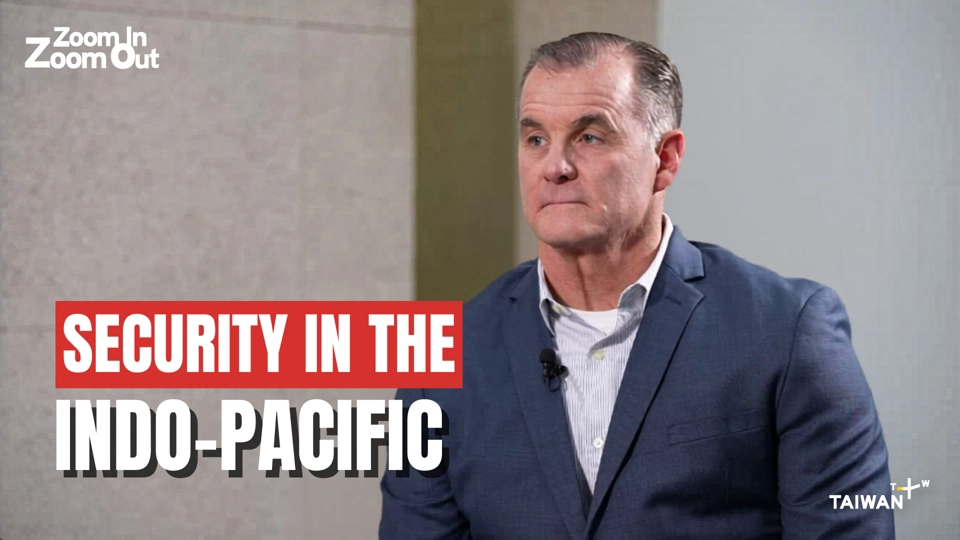 14:17
14:17 14:51
14:51 14:53
14:53