This AI-generated summary is based on reporting by TaiwanPlus and verified by newsroom fact checkers. Learn more about our policy here.
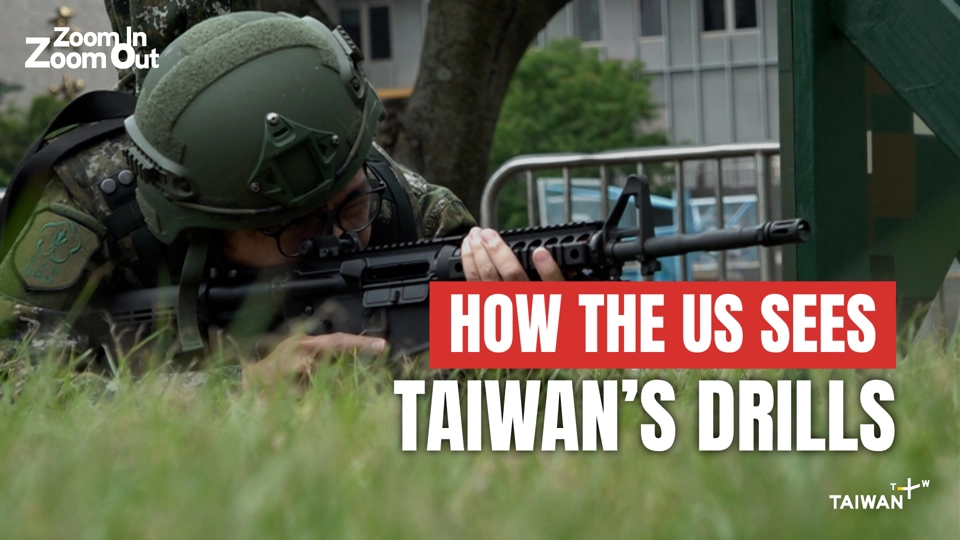
In this special episode of Zoom in Zoom Out, Alexander Huang, an expert in strategic and defense studies, shares insights on the evolving landscape of Taiwan's defense preparedness, particularly through the lens of this year’s expanded Han Kuang military exercise.
Huang emphasized that the 2025 edition of Han Kuang—Taiwan’s largest annual military drills—marks a pivotal shift. For the first time, the exercise includes not only military components but also civil defense units, police and fire departments, underlining the growing importance of societal resilience in modern conflict scenarios. “This is the right direction,” Huang said.
Reflecting on recent global conflicts, including the wars in Ukraine and Gaza, Huang stressed the importance of maintaining peace across the Taiwan Strait. He referenced the yet-to-be-aired drama Zero Day, which imagines a Chinese invasion of Taiwan, and the debate it has sparked domestically. His op-ed on the topic calls for Taiwan to “stay at zero day”—in other words, to avoid war through both military readiness and diplomatic restraint. “It is our undeniable responsibility to delay the D-Day as much as we can,” he noted.
Yet Taiwan’s defense faces critical structural challenges, especially in manpower. The armed forces aim to maintain 210,000 active-duty personnel, but current voluntary recruitment levels are far below that. Huang attributes this to a mix of low military pay, poor retention and fear among young people of being sent to the front lines. To address this, he advocates for increased salaries, better housing and stronger incentives for service. “Talking about strategy is easy,” he said. “But without actual people in uniform, it’s just rhetoric.”
The issue of integrating more women into the military also came up. Huang supports it in principle, pointing out that Taiwan has already had a female president and commander-in-chief. However, he also warned that infrastructure and leadership systems must be adjusted to accommodate gender integration thoughtfully and effectively.
Huang was candid in his assessment of international support. While Taiwan may receive material assistance—such as weapons, medical aid or fuel—he warned against expecting foreign troops on Taiwanese soil. “There will be no U.S. boots on the ground,” he said bluntly. This is due not to a lack of American commitment but rather the absence of a formal alliance or joint military framework. He added that support from allies should be quiet and discreet to avoid provoking Beijing unnecessarily.
Looking ahead, Huang sees the Han Kuang exercise as a necessary foundation for Taiwan’s defense evolution. He encouraged international observers to witness the drills firsthand to understand the seriousness of Taiwan’s efforts. “We’re working hard to improve not only our defense capability, but also to familiarize our population with the possible scenarios of future conflict,” he concluded.
 14:48
14:48 14:47
14:47 14:48
14:48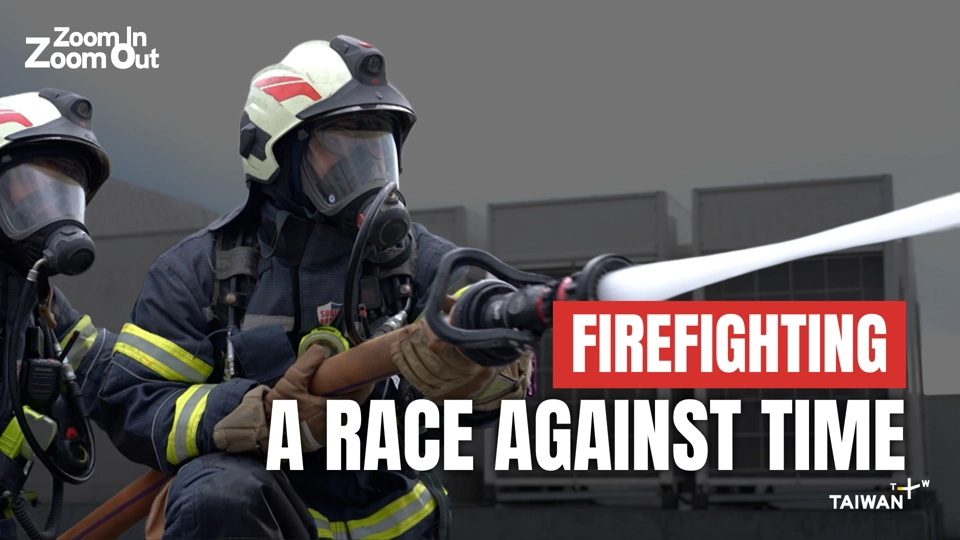 14:48
14:48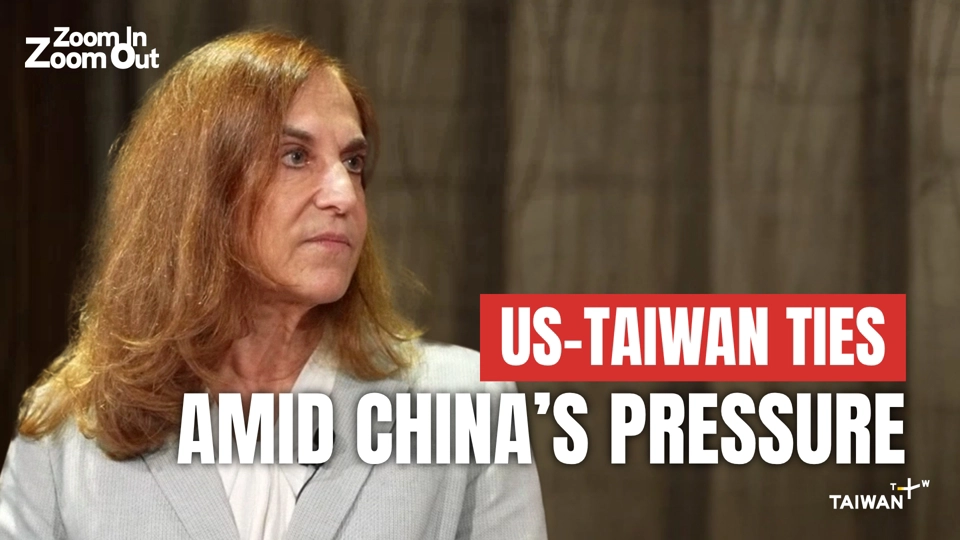 14:48
14:48 13:39
13:39 14:49
14:49 14:48
14:48 13:43
13:43 14:07
14:07 14:18
14:18 14:47
14:47 14:48
14:48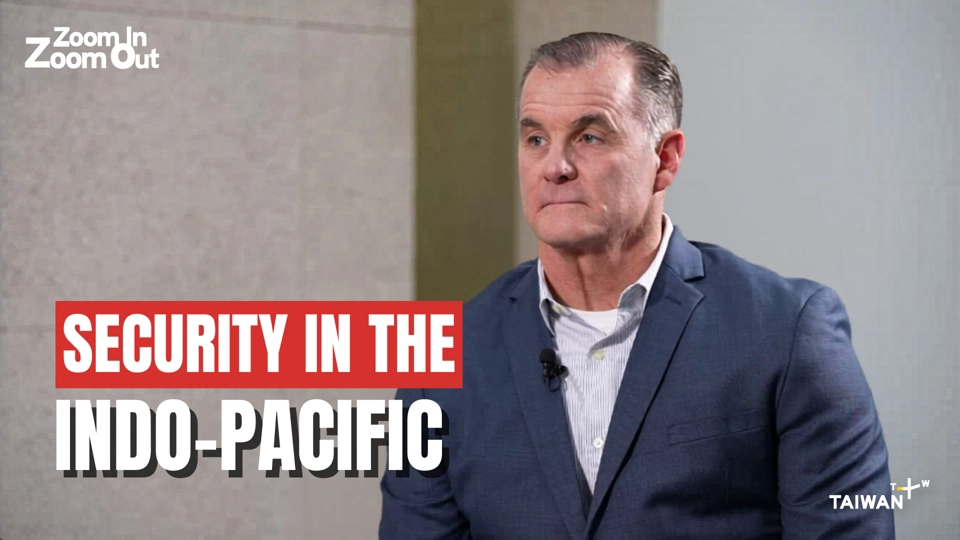 14:17
14:17 14:51
14:51 14:53
14:53