This AI-generated summary is based on reporting by TaiwanPlus and verified by newsroom fact checkers. Learn more about our policy here.
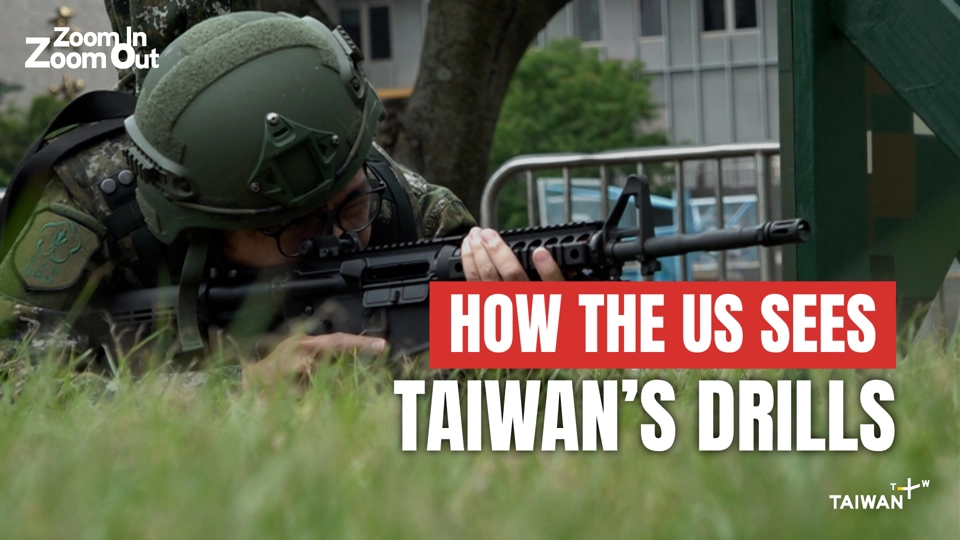
Taiwan’s largest annual military exercise has significantly expanded this year, reflecting rising concerns over a potential Chinese invasion and highlighting a shift toward civil defense and societal resilience.
The 41st Han Kuang exercise spans 10 days—twice the duration of previous editions—and, for the first time, integrates nationwide civil defense training. Urban readiness drills held in shopping malls and supermarkets emphasize that future conflicts may unfold beyond traditional battlefields.
Alexander Huang, chair of the Council on Strategic and Wargaming Studies, analyzed the strategic evolution of the exercise during a recent interview with Zoom In Zoom Out. He said the lengthened format of this year’s drills reflects both Taiwan’s heightened awareness of threats and growing support from international partners.
“I’ve long advocated for more realistic drills to prepare our population,” Huang said. “Taiwan has been at peace for 67 years. People need to get used to the possibility of future conflict.”
The Han Kuang exercise has evolved to reflect modern threats. While it retains conventional military scenarios, this year’s version also includes “gray-zone” tactics—non-traditional forms of pressure such as cyberattacks, disinformation and constant military intimidation. These tactics have become routine since former U.S. House Speaker Nancy Pelosi visited Taipei in 2022, since when increased incursions by Chinese aircraft and ships have become commonplace.
“China's pressure on Taiwan has intensified,” Huang noted. “The gray zone is where most of today’s competition takes place.”
Earlier this year, Huang and his team organized a high-profile wargame simulating more than 40 scenarios. Participants included retired generals, defense analysts and media professionals. The aim was to raise public awareness of the nature of contemporary conflict and test Taiwan’s ability to respond under various conditions.
But the drills do not take place in a political vacuum. President Lai Ching-te has emphasized the importance of “winning the peace,” focusing on societal resilience and continuity of governance in the event of conflict.
Taiwan’s 2025 defense budget is projected to reach 2.45% of GDP. Though both ruling and opposition parties support increasing that figure to 3% by 2026, negotiations remain contentious. Taiwan’s total government spending is just 12% of GDP, making budget increases a politically sensitive issue.
“Our total government spending is only 12% of GDP,” Huang said. “Raising the defense budget means cutting back elsewhere—on welfare, pensions. In a democracy, you need to negotiate. You can’t dictate.”
With a divided legislature and an upcoming recall vote on July 26, Taiwan’s political environment adds another layer of complexity to its defense planning. Still, Huang urged that national security must remain above partisanship.
“This is not the time for partisan debate. This is the time for finding the common ground to deal with external threats.” he said.
As tensions in the Taiwan Strait rise, this year’s Han Kuang drills serve not only as a military rehearsal but also as a national readiness check—testing the unity, resilience and determination of Taiwan’s democratic society.
 14:48
14:48 14:47
14:47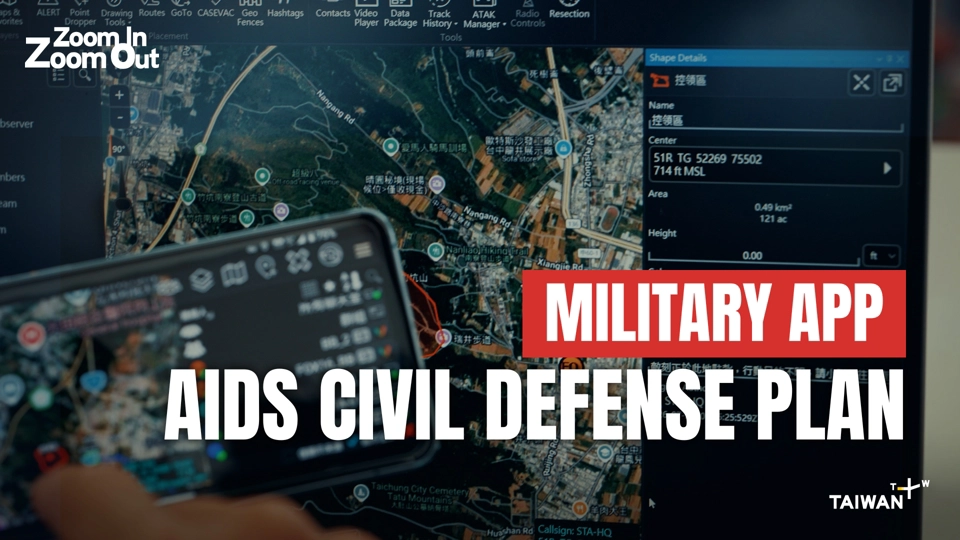 14:48
14:48 14:48
14:48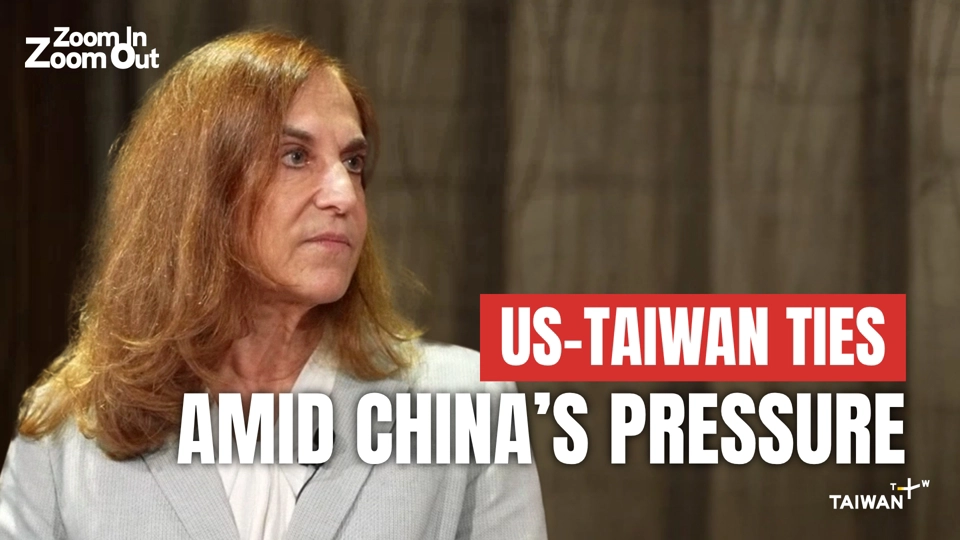 14:48
14:48 13:39
13:39 14:49
14:49 14:48
14:48 13:43
13:43 14:07
14:07 14:18
14:18 14:47
14:47 14:48
14:48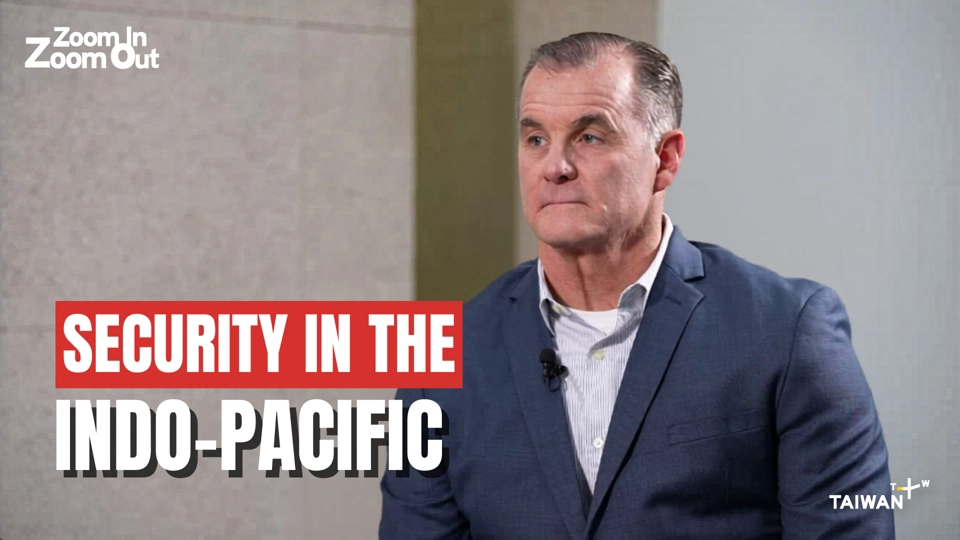 14:17
14:17 14:51
14:51 14:53
14:53