This AI-generated summary is based on reporting by TaiwanPlus and verified by newsroom fact checkers. Learn more about our policy here.
For over four decades, David Lee served as one of Taiwan’s most experienced and influential diplomats, navigating the island’s complex international relations in an increasingly tense geopolitical landscape. Now retired, Lee is opening up about the pressures, responsibilities and principles that guided him as Taiwan stood at the crossroads of U.S.-China tensions.
In the second part of a sit-down interview for Zoom In Zoom Out, Lee, who has served as Taiwan’s foreign minister, presidential secretary-general and senior national security official, offered insight into both past diplomatic milestones and today’s uncertain future. “Prudence and moderation,” he said, remain his guiding principles—particularly when navigating Taiwan’s unofficial yet critical ties with the United States.
Lee emphasized the importance of balanced diplomacy amid shifting global power dynamics, especially during the unpredictable “Trump 2.0 era.” While Lee said it's still early to assess the new U.S. administration’s approach, he remains confident that Taiwan’s strategic importance—especially in the global tech supply chain—will ensure its relevance. “President Trump is a grand dealmaker,” Lee noted. “He understands Taiwan’s strategic value.”
Lee’s new book, Composure Amidst Turmoil, chronicles the highs and lows of his diplomatic career. It’s not a memoir, he insists, but rather a reflection on leadership and policy-making under pressure. In it, he also describes working closely with President Tsai Ing-wen, lauding her thoughtful decision-making style and openness to dialogue. “She listens to everyone,” Lee said. “Sometimes she takes a night to think things over. That’s why her cat is named ‘Tsai Hsiang-Hsiang’ [which translates as “Thinker”]—she likes to think.”
One of the more contentious moments during Lee’s tenure was U.S. Speaker Nancy Pelosi’s 2022 visit to Taiwan, which prompted days of unprecedented Chinese military exercises. Lee recalled that, although several top officials had reservations, the final decision to welcome Pelosi lay with Tsai. “As president, she had to consider everything—foreign policy, national security, and domestic politics. And she did,” he said.
Reflecting on past crises—including his own involvement during the 1995-1996 Taiwan Strait tensions—Lee cautioned against alarmist predictions about a possible Chinese invasion in 2027. “It’s a manmade, hypothetical deadline,” he said, referencing President Xi Jinping’s call for military readiness. “It doesn’t guarantee conflict.”
Though officially retired, Lee hasn’t stepped away entirely. He plans to update his 46-year-old dissertation on U.S.-China-Taiwan relations with new declassified material. But for now, he’s taking a breather. “After more than 40 years, I’m happy to rest,” he said.
His advice to the next generation of diplomats? Stay grounded. “Loyalty to the country, constant awareness, and readiness to adapt—that’s what diplomacy demands,” he said. “And always aim for the moderate path.”
Lee’s reflections come at a time when Taiwan’s future remains as uncertain—and as crucial—as ever.
 14:48
14:48 14:47
14:47 14:48
14:48 14:48
14:48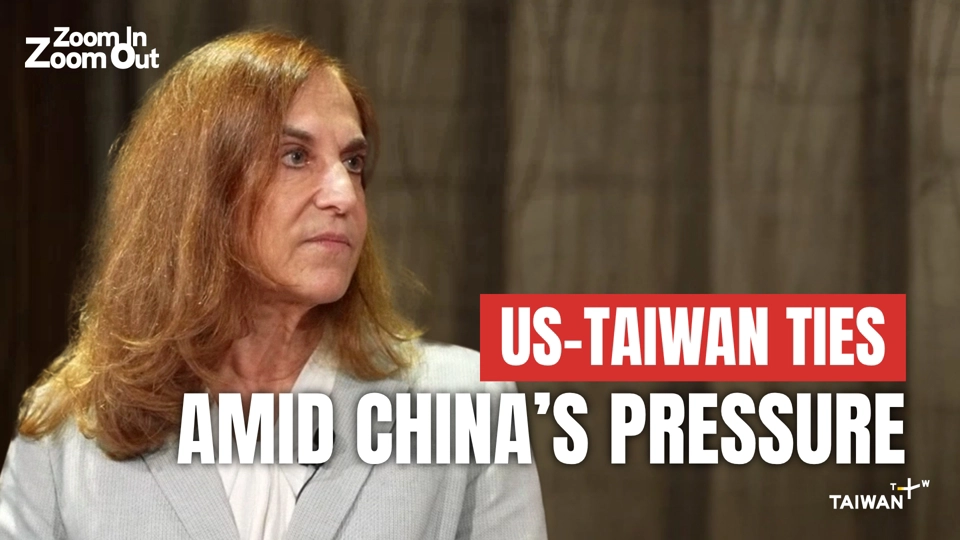 14:48
14:48 13:39
13:39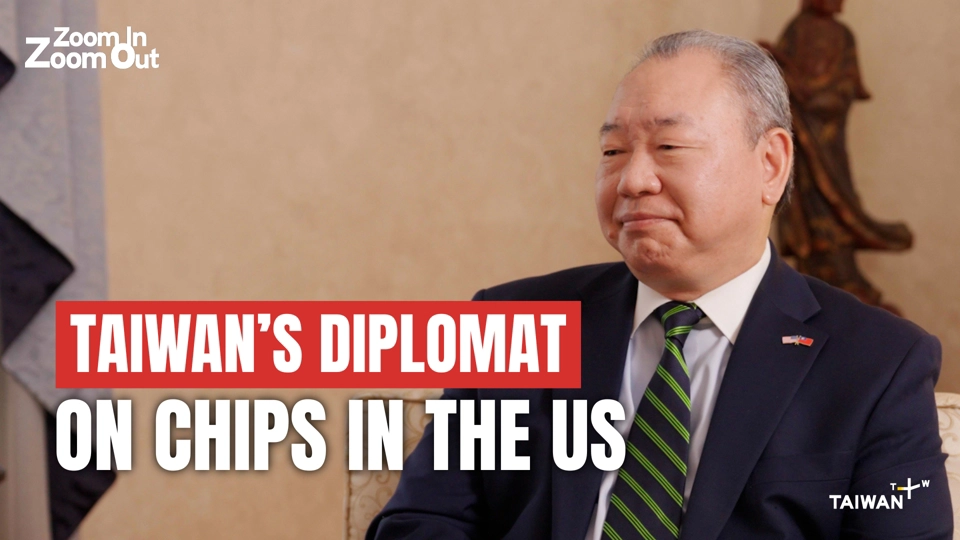 14:49
14:49 14:48
14:48 13:43
13:43 14:07
14:07 14:18
14:18 14:47
14:47 14:48
14:48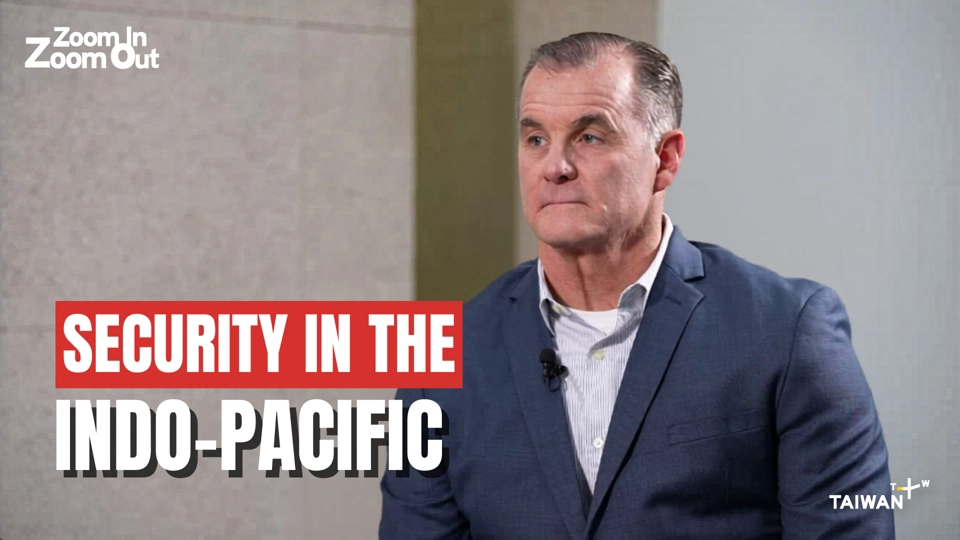 14:17
14:17 14:51
14:51 14:53
14:53