This AI-generated summary is based on reporting by TaiwanPlus and verified by newsroom fact checkers. Learn more about our policy here.
Taiwan is affected by about 30,000 earthquakes every year, with an average of three exceeding magnitude 6. While the country’s infrastructure is built to withstand tremors, powerful quakes continue to pose serious risks to homes and lives. To strengthen preparedness, the country is turning to science, data and rapid communication to improve its national disaster response.
In a recent episode of Zoom In Zoom Out, TaiwanPlus explored the island’s earthquake early warning system and featured insights from Li Wei-sen, secretary-general of the National Science and Technology Center for Disaster Reduction (NCDR). Li, a longtime scientific risk management expert, helps oversee the integration of earthquake detection technologies and public alert mechanisms in Taiwan.
Taiwan’s system relies on a dense network of seismometers managed by the Central Weather Administration. When a quake occurs, the system rapidly analyzes its magnitude, intensity and impact zone using supercomputers. The data is immediately transferred to NCDR, which works with telecommunications companies to issue alerts directly to mobile devices across the country, often within 10 to 12 seconds.
This close coordination between public agencies and private telecom operators allows Taiwan to maximize coverage and speed. The alerts are issued in English and Mandarin and reach both residents and tourists. It’s a nationwide safety net built on science and collaboration.
But preparedness doesn't end with technology. Each year on September 21, Taiwan conducts a nationwide earthquake drill to mark the anniversary of the massive earthquake that claimed more than 2,000 lives in 1999. During the drill, mobile alerts are issued to encourage citizens to rehearse the standard earthquake response: “Drop, Cover and Hold On.” These three actions are taught as the universal first steps to take during a quake, no matter one’s location—at home, at work, in class or in public.
Li emphasizes that drills are not symbolic. By repeating these exercises, individuals build instinctive reactions that can be critical in real emergencies. Citizens are also encouraged to make family and workplace emergency plans in case a disaster strikes while people are in separate locations or communications are disrupted.
Taiwan continues to invest heavily in maintaining and upgrading its seismic detection systems, including monitoring underwater faults off the island’s eastern coast. These upgrades reflect Taiwan’s effort to stay ahead of increasingly complex natural threats.
Beyond its borders, Taiwan is sharing its expertise with other earthquake-prone countries, particularly in Southeast Asia. With locally developed seismic sensors and practical response systems, Taiwan offers both technical tools and organizational know-how to partners such as Indonesia and the Philippines.
Looking to the future, Taiwan is incorporating artificial intelligence and digital twin technology to simulate disaster impacts and improve response planning. The country’s goal is not only to detect the next big quake—but to be fully ready when it hits.
 14:48
14:48 14:47
14:47 14:48
14:48 14:48
14:48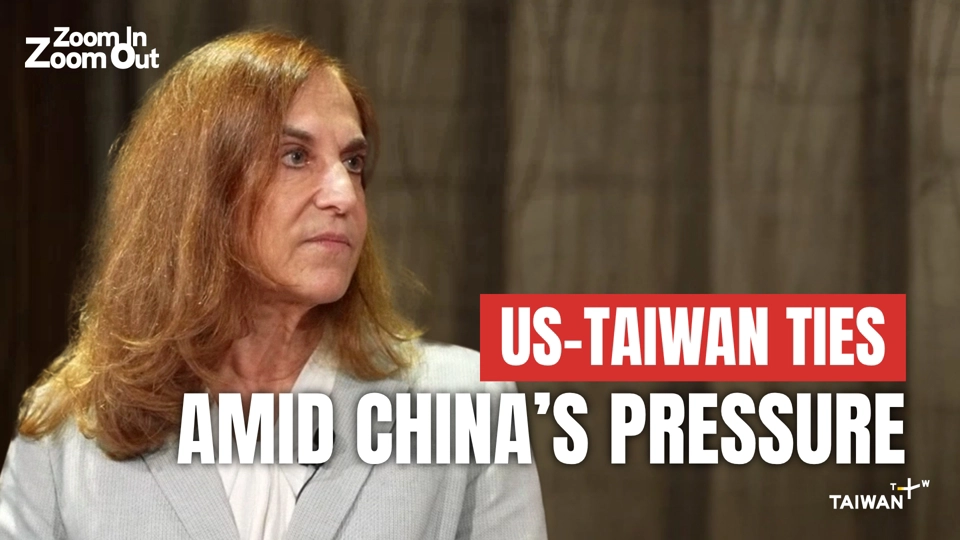 14:48
14:48 13:39
13:39 14:49
14:49 14:48
14:48 13:43
13:43 14:07
14:07 14:18
14:18 14:47
14:47 14:48
14:48 14:17
14:17 14:51
14:51 14:53
14:53