New Strikes on Iran, No Further Talks Planned
The US has hit more Iranian targets as it reimposes a blockade on Iranian ports. Iran has threatened to block oil exports from the wider Middle East—an apparent reference to the Red Sea as well as the Strait of Hormuz. And it says it won't abide by any agreement if the US doesn't meet its obligations.
US-Iran Tensions Escalate Amid Strikes and Naval Blockade
REPORTER:
The US launched more strikes on Iran Wednesday and has reimposed a blockade on its ports.
REPORTER:
The US says it has fired on a ship that tried to break its blockade. This comes as Iran threatens to block oil routes around the region, an apparent reference to both the Strait of Hormuz and the Red Sea. Concerns about oil exports through the Strait of Hormuz are growing and there are no plans for further US-Iran talks. Iran’s foreign minister says Iran won’t abide by any agreement if the US “breaches its obligations.”
REPORTER:
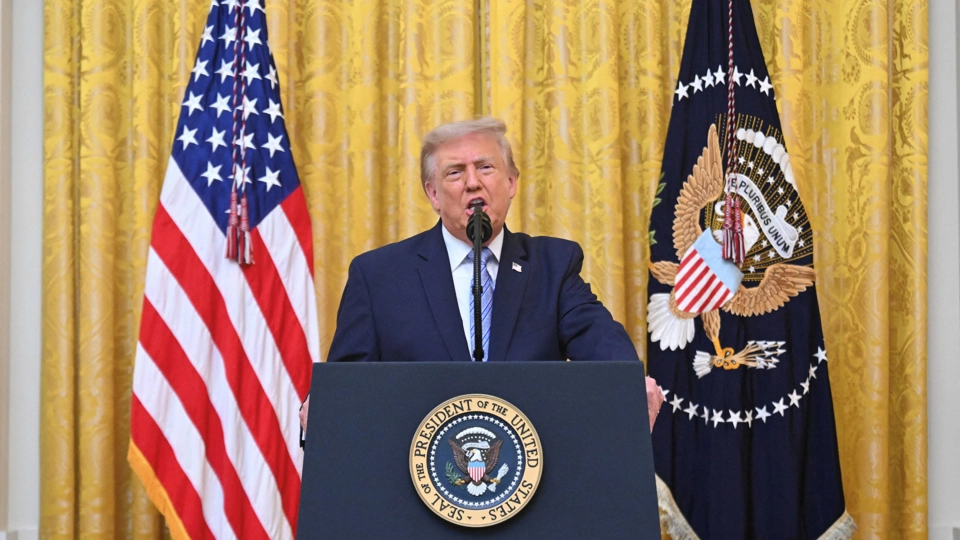
The United States said it had launched fresh strikes against Iran on Wednesday evening as President Donald Trump warned Tehran it "better behave".
REPORTER:
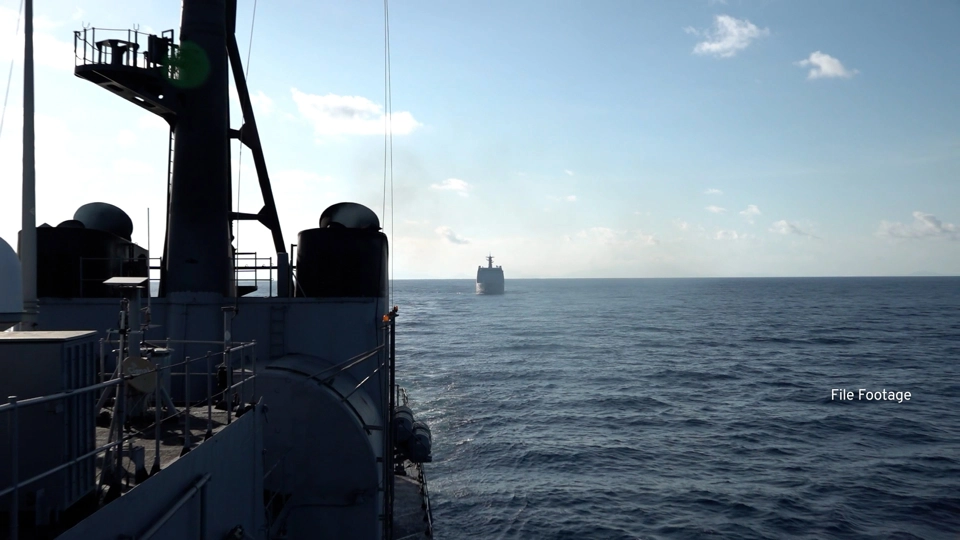
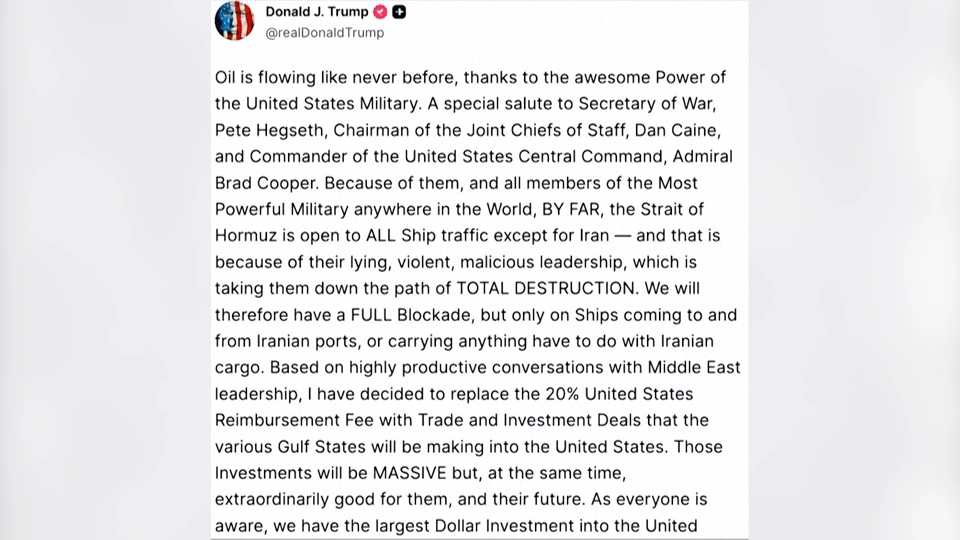
The US military said "Iranian military capabilities used to threaten vessels" moving through the Strait of Hormuz had been targeted, and that it had separately fired on a ship attempting to violate its renewed blockade of Iran's ports.
REPORTER:
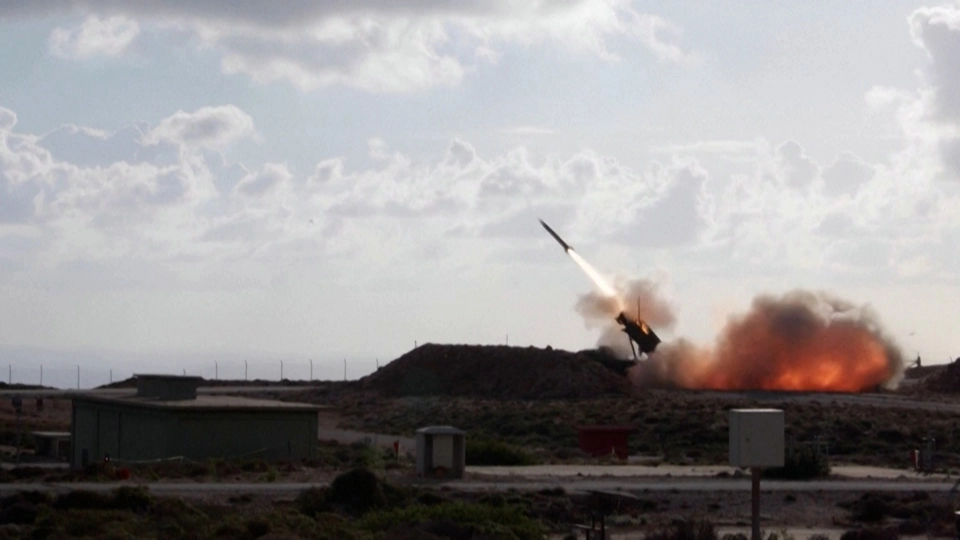
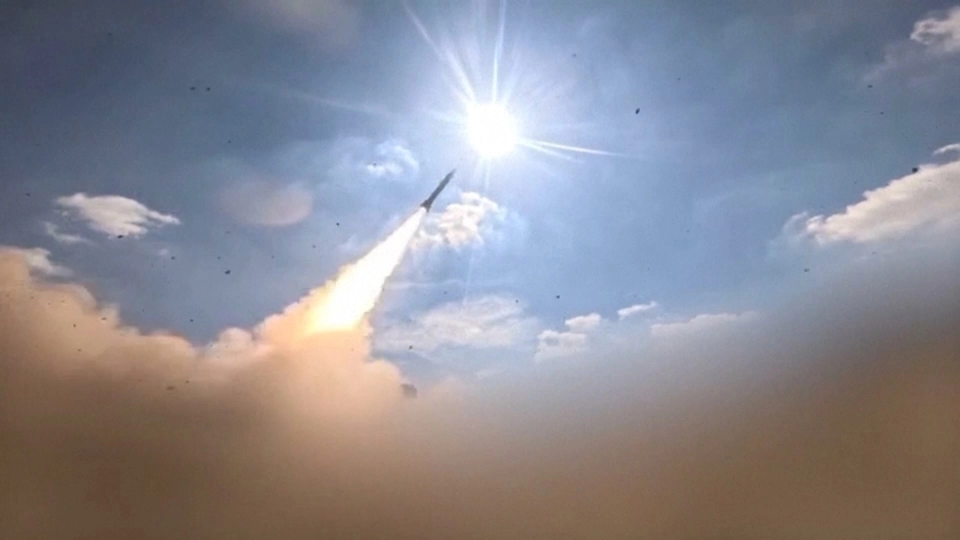
It came after Iran claimed it had struck US military targets in the region, including in Bahrain and Kuwait, as a fifth day of renewed hostilities strained their preliminary deal to end the war.
REPORTER:
Iran's top negotiator, Mohammad Bagher Ghalibaf, meanwhile told state media Tehran had "no reason" to abide by the deal if it did not benefit from it.
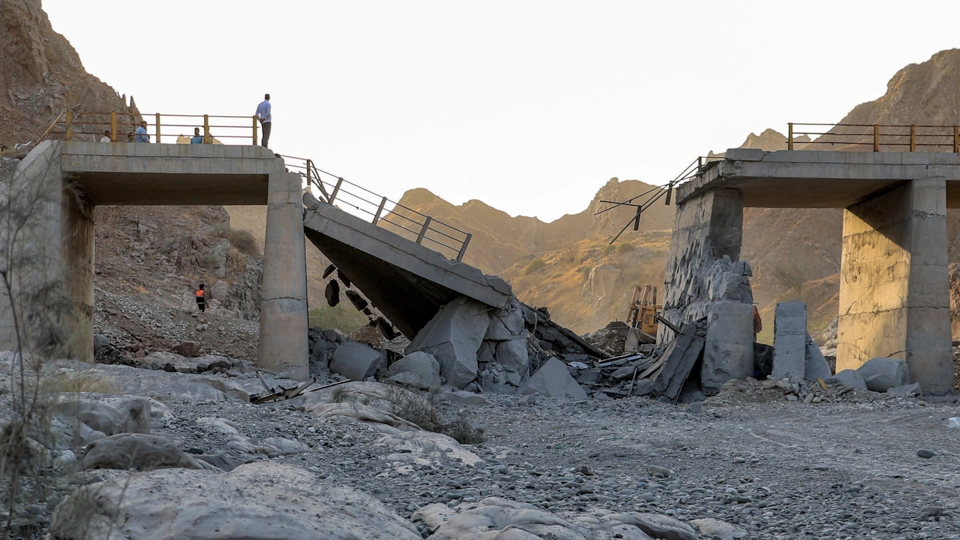
Trump had threatened late on Tuesday to attack bridges and power plants should Iran not return to talks next week.
REPORTER:
Asked by reporters late on Wednesday whether he would give a deadline before doing so, Trump responded: "I don't like giving deadlines, but they pretty much know, they know the story. They better behave."
He later told delegates at a defence summit that Iran was "not happy right now".
Trump:
"They want to settle so badly. They don't like what we're doing. We'll find out whether we want to settle with them or if we just finish it off."
REPORTER:
The U.S. launched another wave of strikes on Iran, its second round on Wednesday, after Iran threatened to block all oil exporting routes in the region in response to the U.S. maritime blockade against Iranian ports.
"The strikes are targeting Iranian military capabilities used to threaten vessels freely transiting through the Strait of Hormuz, an international waterway vital to global commerce," said U.S. Central Command (CENTCOM).
CENTCOM later said it struck and disabled an unladen oil tanker transiting international waters toward Kharg Island. It said the Curaçao-flagged commercial vessel Belma "ignored multiple warnings as it attempted to violate the U.S. blockade."
The military also said it has redirected two commercial vessels during the first 24 hours of enforcing the blockade.
REPORTER:
Earlier Wednesday, Iran's Revolutionary Guard said the U.S. "must expect other oil and gas export routes that serve the interests of the United States and its allies to be closed as well."
"The region's oil and gas exports will either be available to everyone or to no one," said the guard's statement carried by Iranian state media.
Though it did not make a direct reference to the Bab el-Mandeb Strait, in the past Iran has threatened to close off the narrow passage at the entrance of the Red Sea, which links up to the Suez Canal as well as to the Gulf of Aden and the Indian Ocean, providing passage to commercial vessels between Europe, Asia and Africa.
REPORTER:
The U.S. military said it began a wave of strikes on Wednesday morning "to further degrade military capabilities Iranian forces have used to attack commercial shipping in the Strait of Hormuz." CENTCOM said it launched the second wave of attacks at 3 p.m. ET.
The escalation raises the specter of a return to all-out war in the region, which began on Feb. 28 after the U.S. and Israel launched strikes on Iran. The stepped up attacks have left their tentative ceasefire in tatters with no sign of progress toward a final deal to end the war.
REPORTER:
This latest round followed back-and-forth strikes overnight as the U.S. military reimposed the blockade of vessels entering or exiting Iranian ports in the strait. Iran responded with retaliatory strikes targeting U.S. military bases in Kuwait, Bahrain and Jordan.
REPORTER:
Here's the latest
- Fifth straight day of US attacks: The US military launched two more waves of strikes today, the latest aimed at Iranian targets “used to threaten vessels” in the Strait of Hormuz, US Central Command said. President Donald Trump has also been receiving options for expanding the US operation to loosen Tehran’s grip on the critical waterway.
- American freed: Trump shared on social media that Iran has released an American woman detained since December 2024 and praised Tehran’s gesture of goodwill.
- Blockade underway: The US military said it disabled an empty oil tanker sailing toward Kharg Island, an economic lifeline for Tehran. It marks the first vessel disabled since the naval blockade of Iranian ports went back into effect.
- No plans for talks: Iran currently has no plans for negotiations, according to its Foreign Ministry spokesperson, who added that Tehran would not adhere to any agreement if the US “breaches its obligations.”
REPORTER:
The US military says it has disabled an oil tanker attempting to sail towards an Iranian port in the Strait of Hormuz by firing Hellfire missiles.
The US military also says it has launched another wave of strikes on Iran, with Iranian media reporting explosions on Qeshm Island, Bandar Abbas and Chabahar.