War in Iran Echoes Worldwide Energy Crisis
REPORTER:
First responders and locals stand outside what had been an apartment building in Iran’s capital, Tehran.
REPORTER:
Inside, Esmaeeli salvages what she can from what had been her brother’s home. He survived, but he could have easily been one more death in a war between Iran and a US-Israeli alliance now spilling into its second month. Thinking of those who’ve died—including children at a school—Esmaeeli says now is not the time to talk peace.
Esmaeeli (SISTER OF RESIDENT):
No! A ceasefire is Haram. A ceasefire is forbidden. If they make a ceasefire, it’s like stepping on the blood of all our young people, on the blood of the 168 Minab school students.
REPORTER:
Officials in Tehran seem to agree. This foreign ministry spokesperson says US claims that Iran has come to the negotiating table are false — and that Iran rejects US proposals to end the conflict.
REPORTER:
And US President Donald Trump has renewed threats against Iranian energy infrastructure.
REPORTER:
All this spells hard times for the rest of the world. So far, the war has dealt a serious blow to oil and gas supplies, with Iran halting most of the shipping through the critical Strait of Hormuz. East Asia is uneasy.
REPORTER:
South Korea has already curbed car use for civil servants and it may expand limits to everyone if oil prices keep rising. That’s something the country hasn’t done since the 1991 Gulf War.
REPORTER:
And China has found a diplomatic opportunity in the crisis — even as it, too, faces tightening supplies. It’s been exporting diesel and other fuels to struggling Southeast Asian neighbors, including countries like the Philippines, which have territorial beef with Beijing.
REPORTER:
Still, some analysts even think this oil crunch is having similar economic fallout to COVID-19-era restrictions, especially in places like Asia.
Naveen Das (SENIOR CRUDE OIL ANALYST, KPLER):
Essentially, consumers consume less. So, the demand, you know, from the poor people and on an everyday basis is destroyed or reduced. And we have definitely seen that from a government-imposed point of view in several Asian countries.
REPORTER:
And even worse pain may await the world. At another crucial artery for energy and trade—here at the south entrance to the Red Sea, Iran-aligned Houthis in Yemen have joined the war and there are no guarantees they won’t threaten ships. Whether, as US officials say, the war ends soon will have impacts far beyond the Middle East.
Devin Tsai and John Van Trieste for TaiwanPlus.
 02:15
02:15 03:07
03:07 03:23
03:23 03:25
03:25 03:23
03:23 02:42
02:42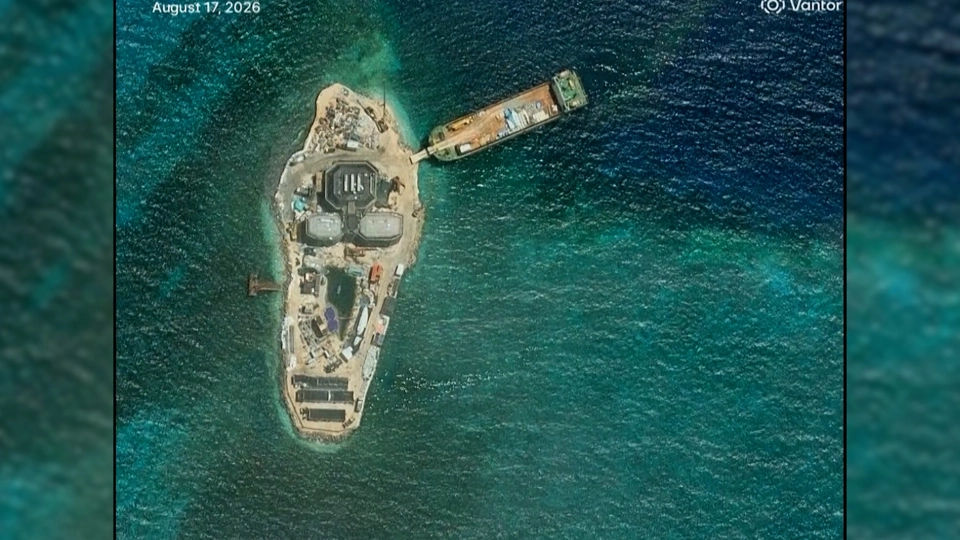 02:54
02:54 02:56
02:56 03:24
03:24 02:33
02:33 00:27
00:27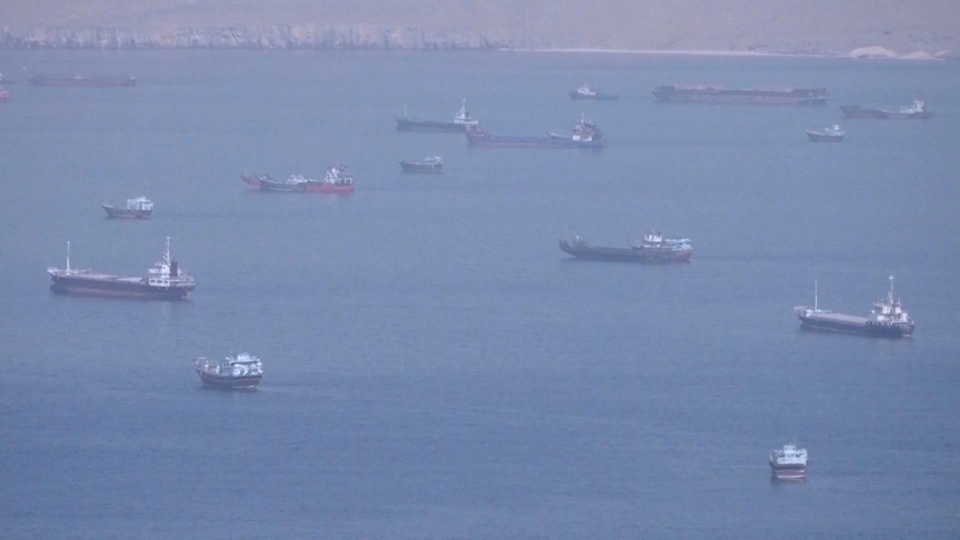 00:30
00:30 02:36
02:36 00:33
00:33 02:50
02:50 03:09
03:09