Iran-US Conflict: Status and Stakes
REPORTER:
It’s a chilly day in Tehran, but people are out and making the most of a brief pause in US and Israeli strikes. Still, no one can say how long a war that’s spread across the region will last. The two sides in this conflict don’t even agree on the facts of what’s happening.
REPORTER:
The US by some accounts has sent Iran a 15-point peace plan. While the specifics are not clear, some reports say Washington is demanding a full reopening of the Strait of Hormuz, that Iran stop enriching uranium and a commitment it would never develop nuclear weapons.
In any case, US President Donald Trump is confident he has a chance to end this conflict.
Donald Trump (US PRESIDENT):
And they are negotiating, by the way, and they want to make a deal so badly. But they're afraid to say it because they figure they'll be killed by their own people. They're also afraid they'll be killed by us.
REPORTER:
Iran’s leadership says messages are passing back and forth through intermediaries, but this is far from what you could call “talks.” Iran’s foreign minister has hit back hard on the idea of surrendering, something the US earlier demanded.
Abbas Araqchi (IRAN FOREIGN MINISTER):
The very fact that an enemy that was seeking our unconditional surrender is now talking about negotiations, requesting talks and mobilizing its highest officials to negotiate with the Islamic Republic means accepting defeat.
REPORTER:
But this doesn’t mean Iran wants to keep the war going. It has its own demands, which were presented on state TV.
IRANIAN NEWS ANCHOR:
1. Fully stop aggression and assassination by the enemy. 2. Establishing specific mechanisms to ensure that war is not re-imposed 3. Guaranteed and clear payment of war damages and reparations. 4. End of war on all fronts and for all resistance groups involved in this war, throughout the region. 5. Exercising sovereignty over the Strait of Hormuz is Iran's natural right and continues to be.
REPORTER:
This last bit—control over the critical Strait of Hormuz—is one issue that the world will be watching especially closely. Around a fifth of the world’s oil transits the strait, and Iran’s effective blockade of the passage has sent prices soaring and stockpiles falling.
REPORTER:
But for now, the White House continues to describe the war as on a brief timeline. Press Secretary Karoline Leavitt even had this to say when asked if the war would end before Trump’s planned trip to China.
Karoline Leavitt (WHITE HOUSE PRESS SECRETARY):
Again, as I've said, we've always estimated approximately four to six weeks, so you could do the math on that, Mario, but we do look forward, I know the president looks forward to going to China on May 14th and 15th.
REPORTER:
But she also threatened the US could hit Iran even harder.
REPORTER:
And House Speaker Mike Johnson has warned Iran to consider the buildup of US troops in its neighborhood. Talks or no, there are few signs of deescalation in this nearly-month long war.
 02:15
02:15 03:07
03:07 03:23
03:23 03:25
03:25 03:23
03:23 02:42
02:42 02:54
02:54 02:56
02:56 03:24
03:24 02:33
02:33 00:27
00:27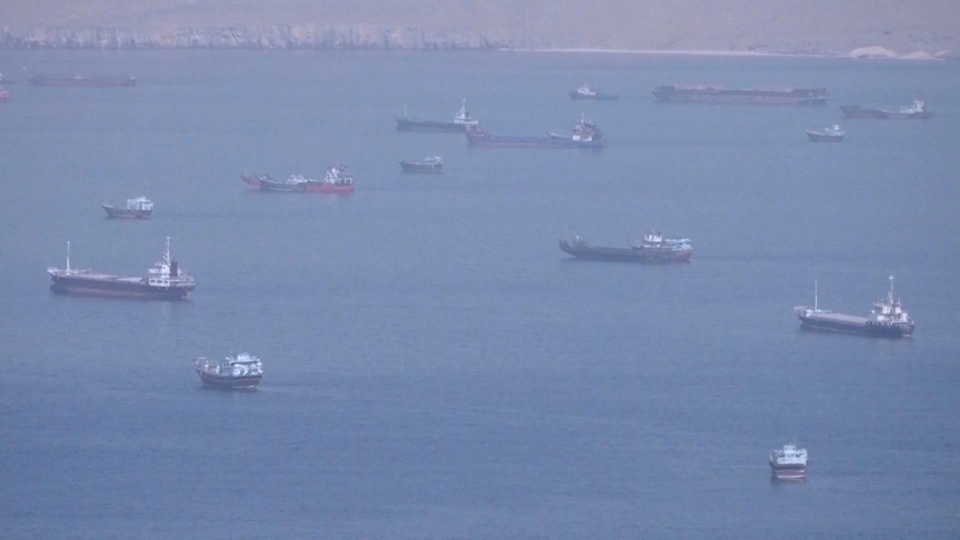 00:30
00:30 02:36
02:36 00:33
00:33 02:50
02:50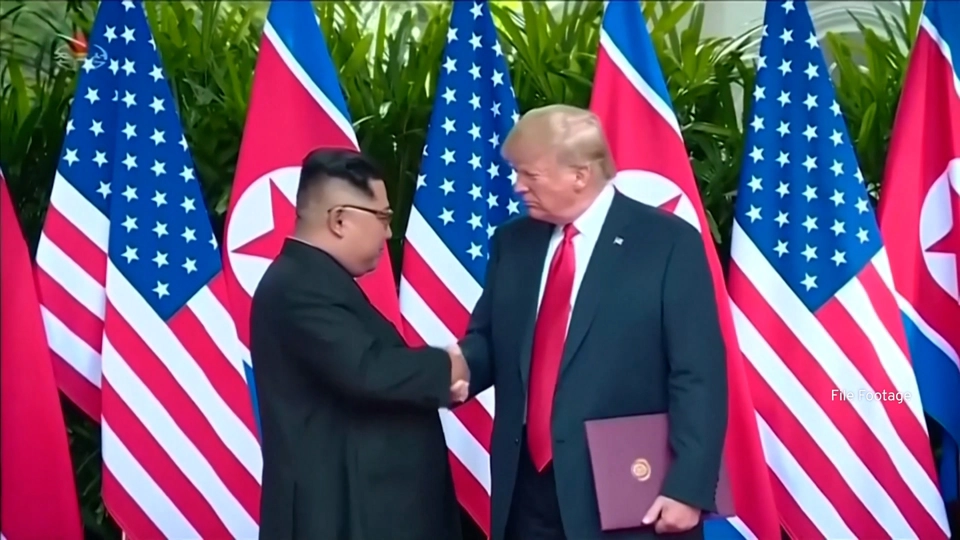 03:09
03:09