Energy Supply Challenges as Middle East Conflict Intensifies
REPORTER:
Drivers at this Manila gas station fill up—at a premium price. Prices around the world have jumped with the critical Strait of Hormuz blocked off amid the US-Israel war with Iran. The Philippines’ official government news agency predicted Monday that gas prices could break a dollar-fifty US per liter this week.
REPORTER:
And so the Philippines is looking elsewhere for fuel. It’s working on agreements with countries like Indonesia and China, and it might even start importing Russian oil too as the US eases sanctions on it. The details aren’t in yet, but this and a possible temporary lifting of gas taxes may help Filipinos weather a time of instability. And the government says it’s working to keep supplies stable.
Sharon Garin (PHILIPPINE ENERGY SECRETARY):
The most important [thing] for today is we have supply. We have supply so there is no need to cause panic among our people.
REPORTER:
Japan is moving to keep the oil flowing too -- from storage tanks like these ones in the southern city of Kagoshima. Japan’s been preparing for a moment like this since the oil shocks of the 1970s, when it started a national reserve. Tokyo says it’s releasing 80 million barrels—a record amount, and enough to keep the country running for around 45 days.
REPORTER:
That’s on top of a release of 15 days’ worth of private-sector oil on Monday. And more will be on the way, with the government expected to release an additional months’ supply at the end of March.
REPORTER:
It’s not just oil supplies the Middle East war has choked off. In Taiwan, natural gas has been a particular concern. This footage, released by state refiner CPC is meant to calm nerves. It shows an LNG ship able to carry up to 83,000 metric tons docking in Kaohsiung last Friday. The gas on board should keep natural gas plants running at full capacity for a week to ten days. Reuters also reports that CPC has bought jet fuel for April in the low $30s per barrel—a premium price.
REPORTER:
The economy ministry says all natural gas shipments for March and April are secure. And the fact that only a third of Taiwan’s natural gas comes from Qatar, cut off inside the Hormuz Strait, means there are alternatives should the crisis in the Middle East continue. Still, some analysts say that March and April are one thing, but meeting peak demand in the summertime is the thing to watch out for.
Jheng Ruei-he (CIER):
Because of the weather in summer, the heat and humidity
our power use grows greatly.
This could lead to an increase in use of natural gas.
REPORTER:
With no signs of the war in the Middle East winding down, the International Energy Agency or IEA plans to dig further into its emergency supplies. Even if the war ended today, the agency says, getting the global energy trade back to normal would take time. And so, after a historic recommendation to release 400 million barrels of oil last week, the agency’s saying further releases are still feasible.
Fatih Birol (IEA EXECUTIVE DIRECTOR):
We still have a lot of stocks left ...despite this huge release.
Once this current stock release is completed
it will reduce the emergency stocks in IEA countries
by only around 20%.
REPORTER:
For now, at least, stockpiles saved up for a crisis just like this are holding. But until the war in the Middle East ends or Iran changes its strategy, key sources of oil and gas are cut off for the foreseeable future.
 02:15
02:15 03:07
03:07 03:23
03:23 03:25
03:25 03:23
03:23 02:42
02:42 02:54
02:54 02:56
02:56 03:24
03:24 02:33
02:33 00:27
00:27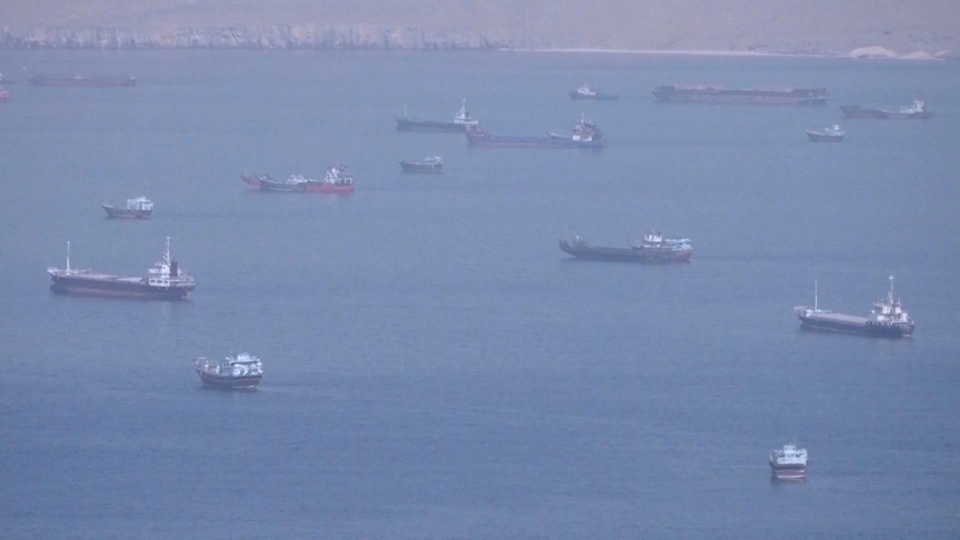 00:30
00:30 02:36
02:36 00:33
00:33 02:50
02:50 03:09
03:09