Global Oil Prices Surge Amid Middle East Turmoil
REPORTER:
Drivers line up at this Hanoi gas station, rushing to get whatever they can at the pumps as prices soar 22% and supplies run low.
REPORTER:
While people scramble Monday night to fill up tanks before a price hike kicks in at midnight.
REPORTER:
And from LA in California to Bonn in Germany, sticker shock at the pumps, even in places used to high prices.
REPORTER:
As war engulfs the resource-rich Middle East, this crucial chokepoint, the Strait of Hormuz, is effectively shut, retaliation by Iran for US and Israeli strikes. Tehran is threatening any ships that try to pass. The move is cutting the rest of the world off from around a fifth of its oil and liquefied natural gas supplies.
REPORTER:
US President Donald Trump says he has a plan.
Donald Trump (US PRESIDENT):
We're also waiving certain oil-related sanctions to reduce prices. So we have sanctions on some countries, we're going to take those sanctions off until this straightens out. Then who knows? Maybe we won't have to put them on. There'll be so much peace.
REPORTER:
Trump isn’t saying which countries could see sanctions lifted, but his remarks came after a call with Russian President Vladimir Putin—a leader eager to see the back of sanctions on his country since its 2022 invasion of Ukraine.
REPORTER:
On social media, Trump’s also threatened to strike Iran—quote-- “TWENTY TIMES HARDER” if it stops oil flows in the Strait of Hormuz.
REPORTER:
Europe has a plan too. It’s working with the G7 on a possible release of strategic reserves as a temporary fix—though no final decision on that yet.
Valdis Dombrovskis (EUROPEAN ECONOMIC COMMISSIONER):
Well, in the G7 call we didn't have detailed discussions on specific conditions, but we broadly agreed that in a situation like this where we are facing disruptions, we stand ready to release them.
REPORTER:
Over in Asia, South Korea is capping domestic fuel prices for the first time in nearly three decades, expanding a market stabilization program already at close to US$67 billion dollars and maybe more.
Lee Jae Myung (SOUTH KOREAN PRESIDENT):
Given that it is difficult to predict how the situation will unfold, our government must prepare proactive measures with a heightened sense of urgency, keeping even the worst‑case scenario in mind.
REPORTER:
But some analysts say there’s no real substitute for getting the Strait of Hormuz reopened. And they say this Middle East war may have sent oil prices up for a long time to come—even after the war ends.
Clayton SeigGlobal Oil Prices Surge Amid Middle East Turmoil
REPORTER:
Drivers line up at this Hanoi gas station, rushing to get whatever they can at the pumps as prices soar 22% and supplies run low.
REPORTER:
While people scramble Monday night to fill up tanks before a price hike kicks in at midnight.
REPORTER:
And from LA in California to Bonn in Germany, sticker shock at the pumps, even in places used to high prices.
REPORTER:
As war engulfs the resource-rich Middle East, this crucial chokepoint, the Strait of Hormuz, is effectively shut, retaliation by Iran for US and Israeli strikes. Tehran is threatening any ships that try to pass. The move is cutting the rest of the world off from around a fifth of its oil and liquefied natural gas supplies.
REPORTER:
US President Donald Trump says he has a plan.
Donald Trump (US PRESIDENT):
We're also waiving certain oil-related sanctions to reduce prices. So we have sanctions on some countries, we're going to take those sanctions off until this straightens out. Then who knows? Maybe we won't have to put them on. There'll be so much peace.
REPORTER:
Trump isn’t saying which countries could see sanctions lifted, but his remarks came after a call with Russian President Vladimir Putin—a leader eager to see the back of sanctions on his country since its 2022 invasion of Ukraine.
REPORTER:
On social media, Trump’s also threatened to strike Iran—quote-- “TWENTY TIMES HARDER” if it stops oil flows in the Strait of Hormuz.
REPORTER:
Europe has a plan too. It’s working with the G7 on a possible release of strategic reserves as a temporary fix—though no final decision on that yet.
Valdis Dombrovskis (EUROPEAN ECONOMIC COMMISSIONER):
Well, in the G7 call we didn't have detailed discussions on specific conditions, but we broadly agreed that in a situation like this where we are facing disruptions, we stand ready to release them.
REPORTER:
Over in Asia, South Korea is capping domestic fuel prices for the first time in nearly three decades, expanding a market stabilization program already at close to US$67 billion dollars and maybe more.
Lee Jae Myung (SOUTH KOREAN PRESIDENT):
Given that it is difficult to predict how the situation will unfold, our government must prepare proactive measures with a heightened sense of urgency, keeping even the worst‑case scenario in mind.
REPORTER:
But some analysts say there’s no real substitute for getting the Strait of Hormuz reopened. And they say this Middle East war may have sent oil prices up for a long time to come—even after the war ends.
Clayton Seigle (CSIS):
Even if the current war in this phase draws to an end, you know, we now have a new chapter of geopolitical instability in that really important region of the world for oil and gas supplies. I think it's going to be with us for quite a while, conceivably, even through the rest of the term, of President Trump's term.
REPORTER:
And while Trump says the war will be over soon, there are no guarantees. Iran says it has no interest in going back to the negotiating table. For now, the world’s oil markets—and its consumers—can only watch.le (CSIS):
Even if the current war in this phase draws to an end, you know, we now have a new chapter of geopolitical instability in that really important region of the world for oil and gas supplies. I think it's going to be with us for quite a while, conceivably, even through the rest of the term, of President Trump's term.
REPORTER:
And while Trump says the war will be over soon, there are no guarantees. Iran says it has no interest in going back to the negotiating table. For now, the world’s oil markets—and its consumers—can only watch.
 02:15
02:15 03:07
03:07 03:23
03:23 03:25
03:25 03:23
03:23 02:42
02:42 02:54
02:54 02:56
02:56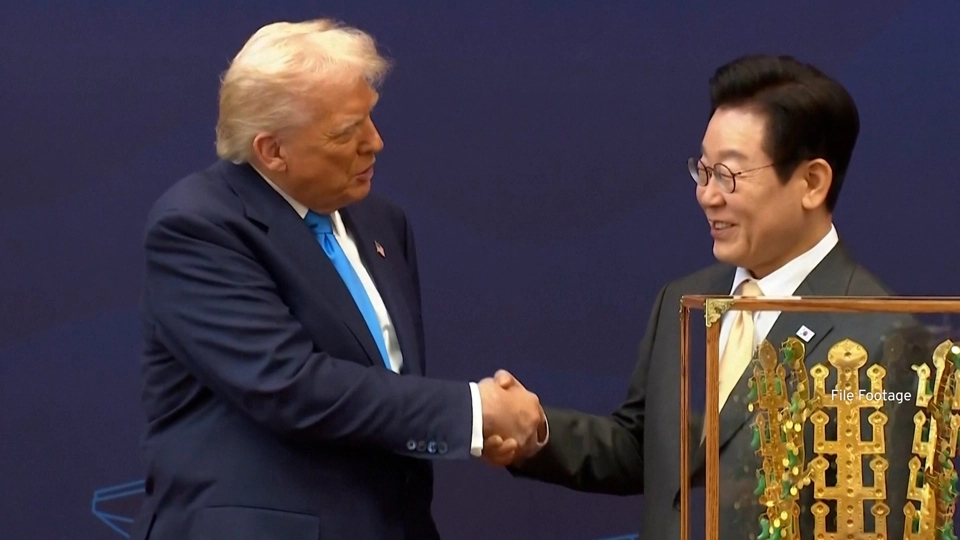 03:24
03:24 02:33
02:33 00:27
00:27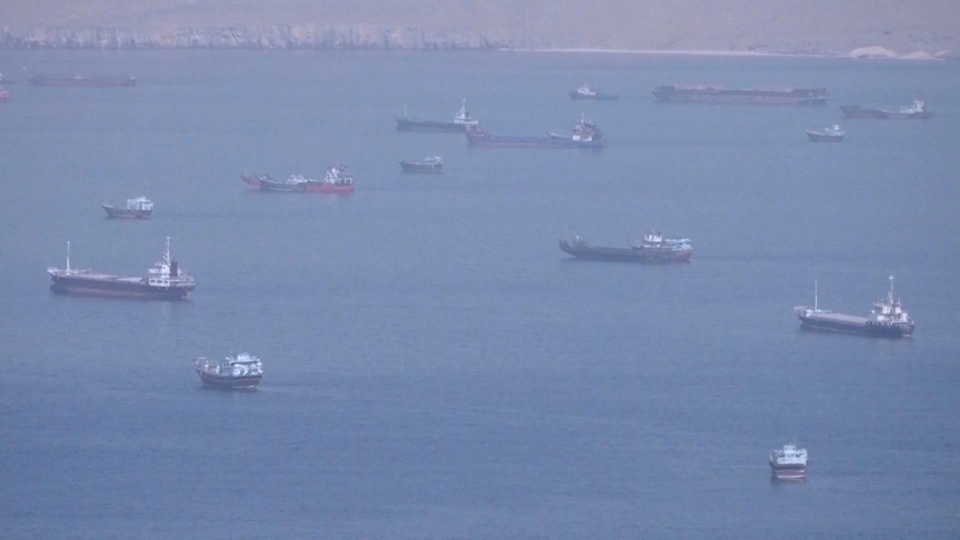 00:30
00:30 02:36
02:36 00:33
00:33 02:50
02:50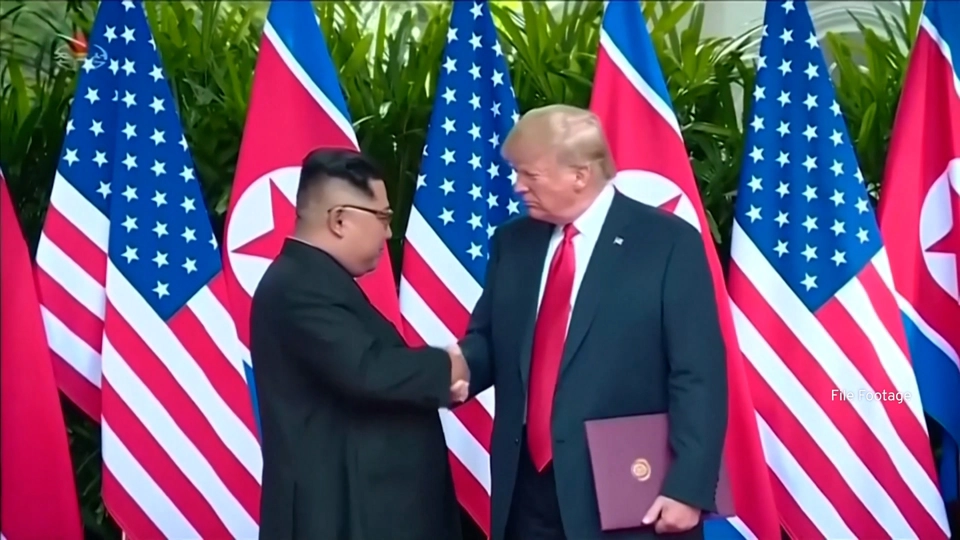 03:09
03:09