* This AI-generated summary is based on reporting by TaiwanPlus and verified by newsroom fact checkers. Learn more about our policy here.
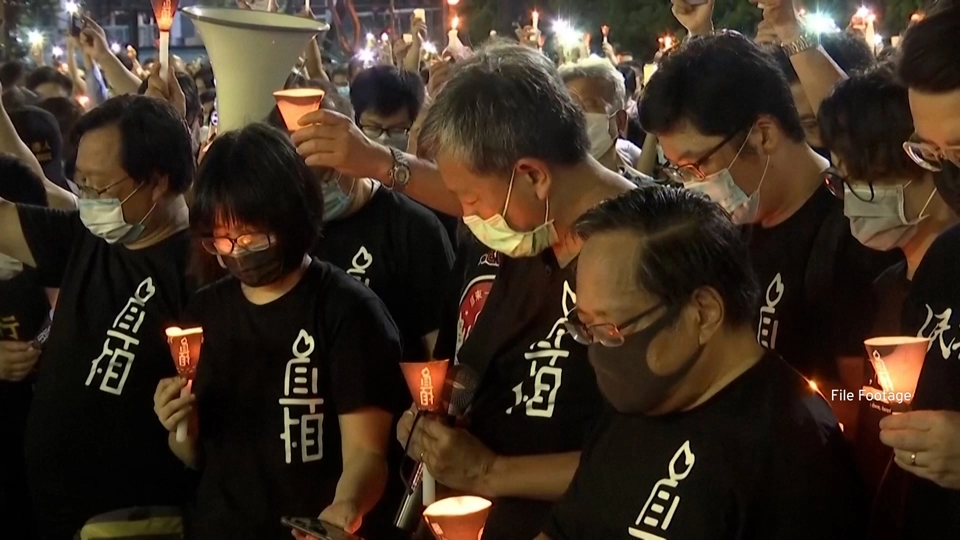
The sentencing of 45 pro-democracy activists, known as the “Hong Kong 47,” under Hong Kong’s controversial national security law has triggered widespread condemnation from leaders, activists, and international organizations.
Families and Activists Speak Out
In Hong Kong, the emotional toll of the sentencing was evident. A mother, whose son received a prison sentence of 4 to 10 years, tearfully asked, “Why does he have to go to prison? He is a good person.”
The activists were charged with crimes related to organizing an unofficial primary in 2020 to select pro-democracy candidates for Hong Kong’s legislature. Beijing has framed such activities as a threat to national security under its sweeping law, which criminalizes dissent.
Condemnation in Taiwan
In Taipei, exiled Hongkongers gathered to express their outrage. One of them, Fu Tong, warned of the dangers of complacency, saying, “If you don’t protect your democratic freedom, tomorrow you might end up like Hong Kong, where you wouldn’t be able to hold a press conference like this.”
Kacey Wong, another Hongkonger living abroad, remarked, “The sentencing further solidified the fear amongst the citizens of Hong Kong. And I think the Chinese Communist Party is very happy about that.”
Despite the grim news, activists remain defiant. Sky Fung, also in exile, said, “We in the democratic movement haven’t given up. As long as we don't give up in our hearts, we will continue the movement.” He noted that some of those sentenced chose to plead not guilty, calling it a form of resistance.
Taiwan’s Presidential Office Responds
Taiwan’s Presidential Office released a statement strongly condemning the sentencing. It asserted that “democracy is no crime” and called the incident “further evidence that the ‘one country, two systems’ framework is unviable” for both Hong Kong and Taiwan.
International Criticism
Global leaders and organizations echoed these concerns. The U.S. condemned the sentences as “unjust” and announced new visa restrictions on Hong Kong officials. Jeremy Laurence, a spokesperson for the United Nations Office of the High Commissioner for Human Rights, said, “We are gravely concerned by the use of these security laws to criminalize conduct protected by human rights, such as freedom of expression, peaceful assembly, and association.”
Hong Kong and Beijing’s Defense
In response to the criticism, Hong Kong and Chinese officials defended the sentences as necessary measures to safeguard national security.
A Movement Unbowed
Despite the crackdown, pro-democracy activists continue to stand firm. Fung’s remarks highlight that even in the face of adversity, the movement’s spirit remains unbroken.
 00:46
00:46 03:10
03:10 02:18
02:18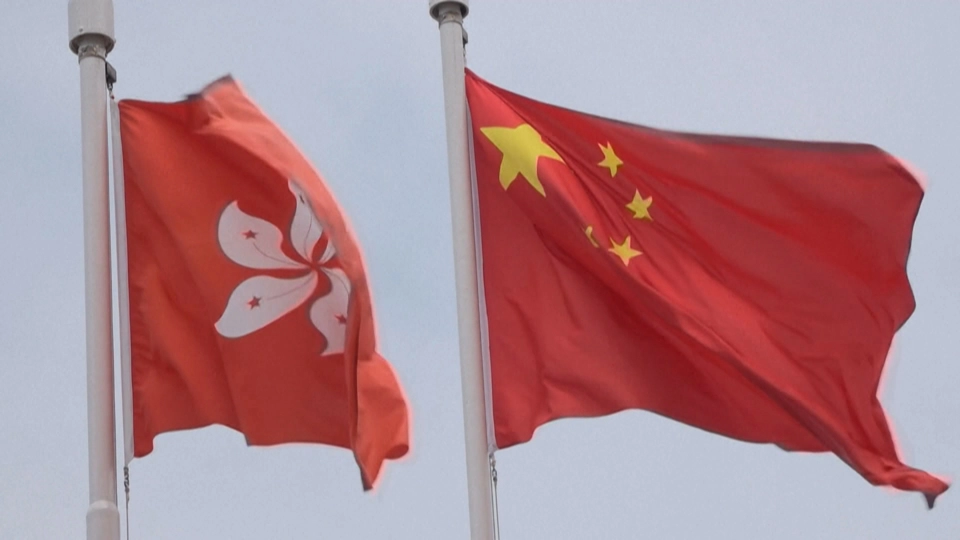 00:53
00:53 03:54
03:54 02:50
02:50 02:49
02:49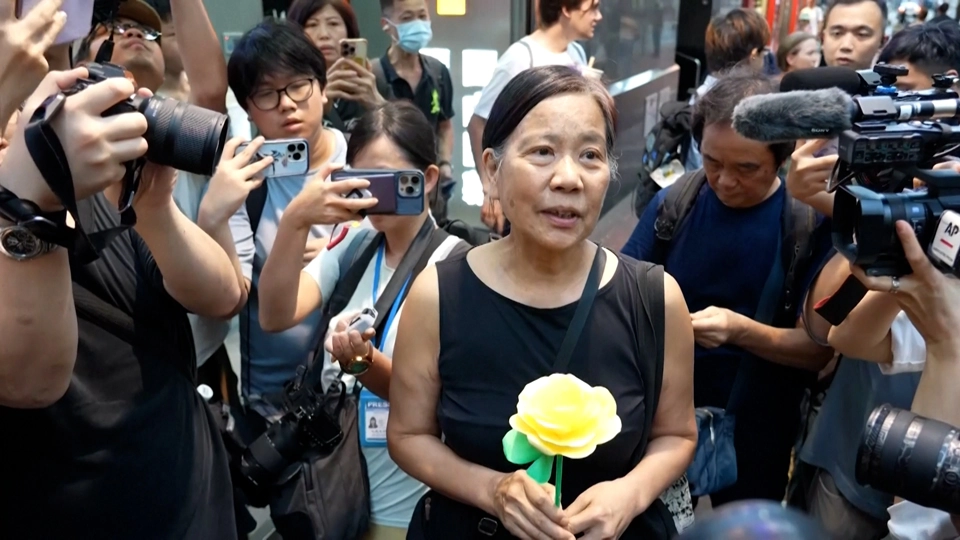 00:51
00:51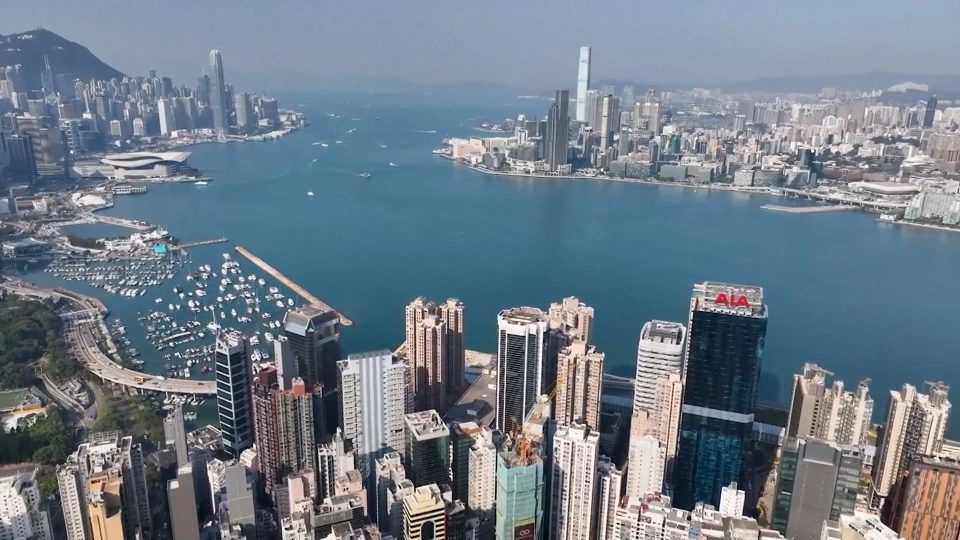 03:58
03:58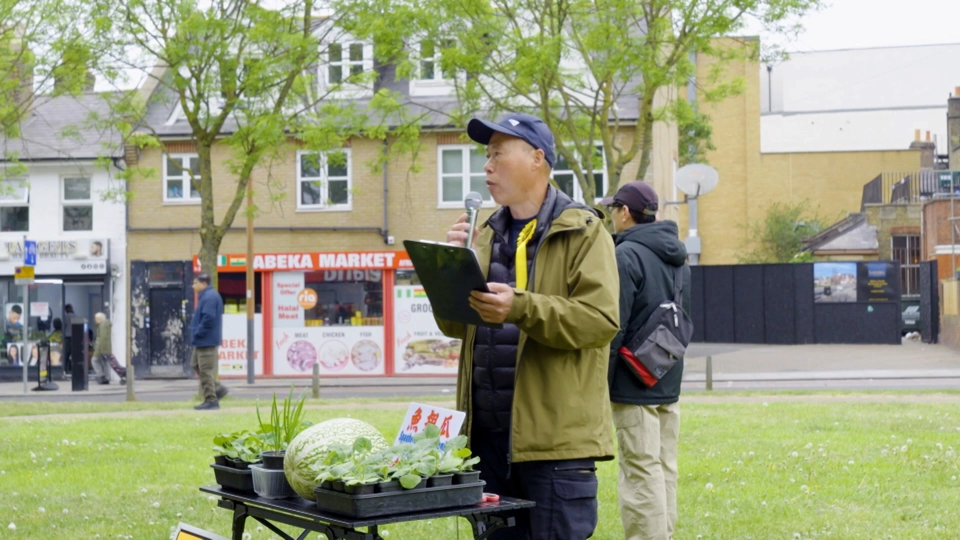 02:05
02:05 02:25
02:25 01:08
01:08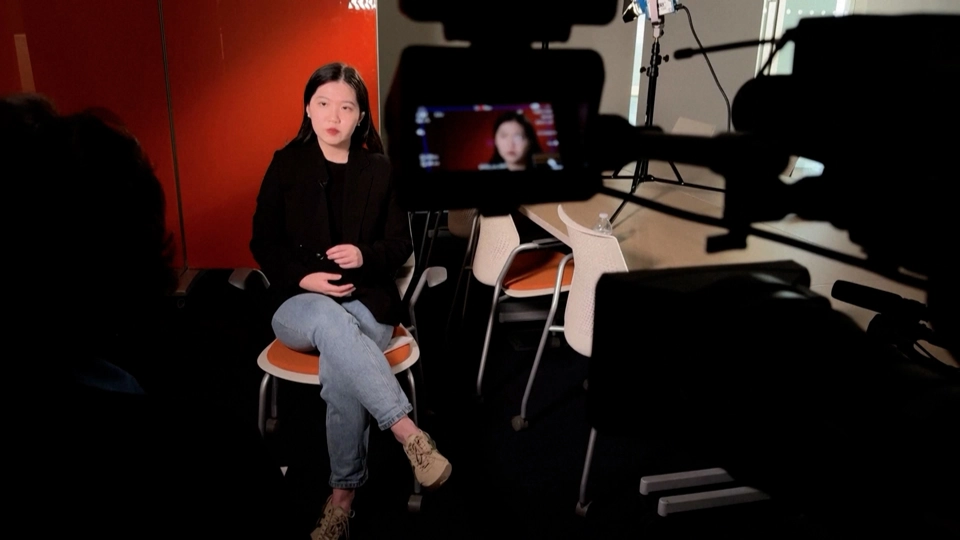 01:02
01:02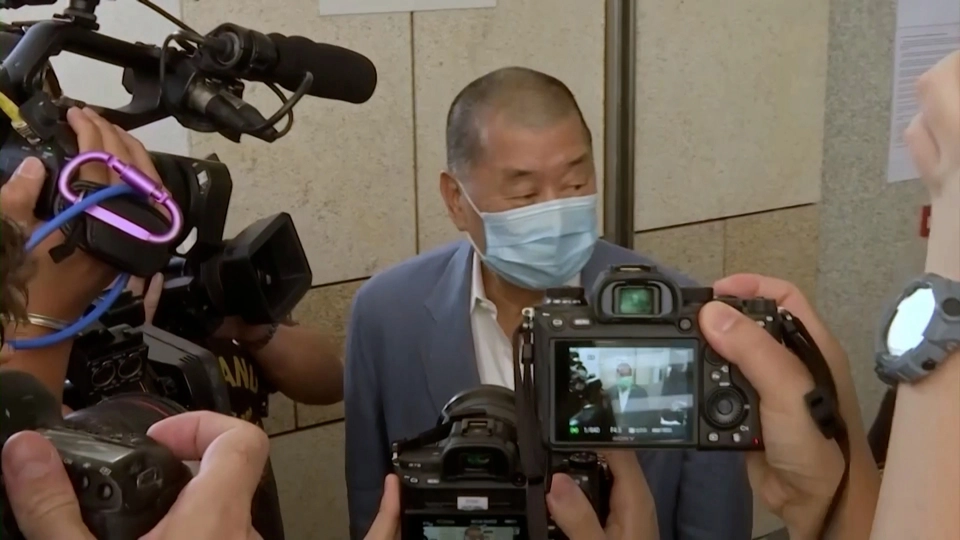 04:19
04:19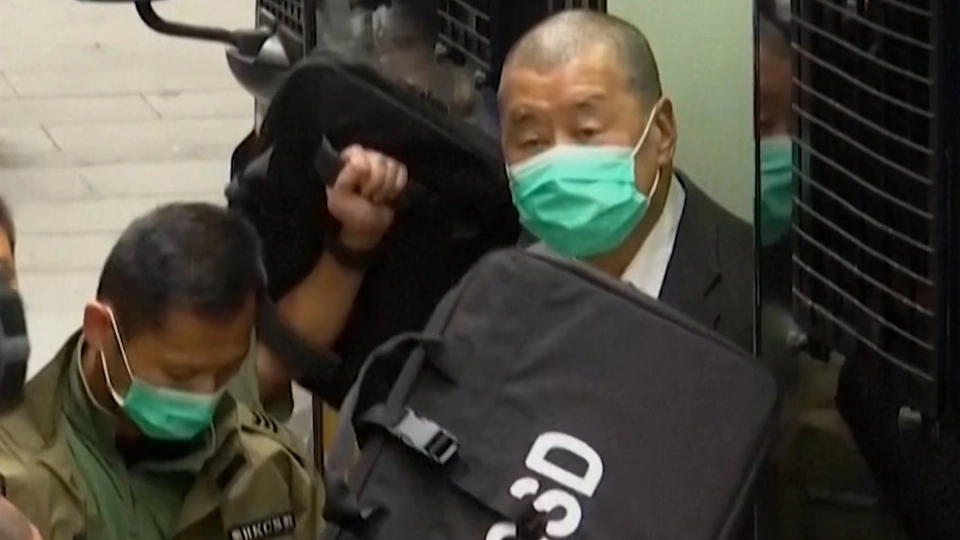 03:16
03:16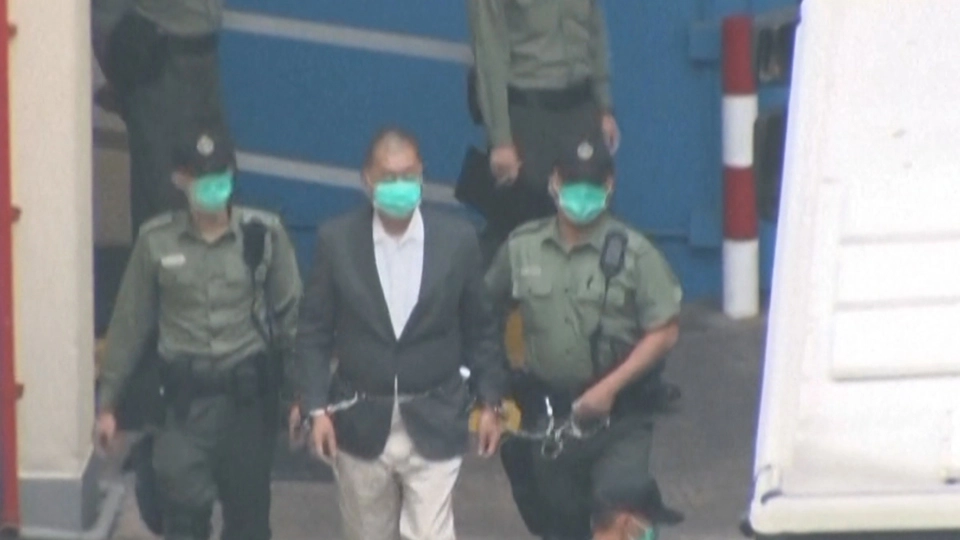 02:44
02:44