UK Drops Spy Case: Implications and Reactions
---
REPORTER:
In this case, we see a divide between members of parliament, prosecutors and Starmer's government. What do you think about attitudes in the UK towards China and the potential threat that Chinese espionage poses to the UK?
Luke de Pulford (EXECUTIVE DIRECTOR, INTER-PARLIAMENTARY ALLIANCE ON CHINA):
Well, I think the important thing to emphasize is that there are far fewer divisions than people make out. In fact, Parliament is almost univocal on China in sharing concern around Beijing's behavior under XI Jinping and the contemporary Chinese Communist Party. I would also argue that the Crown Prosecution Service merely wanted to pursue justice. That's all they wanted, and they had evidence relating to allegations of espionage, and all they wanted from the United Kingdom government was evidence to show that China presents a national security threat to the UK. Unfortunately, the UK government was not willing to provide that evidence, and that's the heart of this scandal. So there's not as much division as people think. And attitudes within the United Kingdom towards Beijing under XI Jinping are falling off a cliff. And the reason they are is that Beijing is more aggressive abroad. Their interference in our system is upsetting people very much, and their behavior at home is also extraordinarily repressive towards their own people. So for many reasons, I think that there's much more unity around China in the United Kingdom than people might have you believe.
REPORTER:
What impact do you think that the decision to drop this case will have on UK security moving forward?
Luke de Pulford (EXECUTIVE DIRECTOR, INTER-PARLIAMENTARY ALLIANCE ON CHINA):
Well this is an extremely serious scandal and I would be very surprised if the officials involved in making this decision will have their jobs at this time next week. I think they are going to be off, and I think the reason they are is it seems pretty clear to me now that they have made a decision to collapse the most significant trial relating to the worst breach of parliamentary security in living memory. In order to try to appease China. If that's the case, if that comes out in the detail, there's no way that anyone involved in that decision should be allowed within a country mile of any any decision relating to UK national security in the future. So I would suggest that this sets a precedent. And it also drags into the light some of the decisions that have been made previously, um, which I hope will help the UK to be a bit more realistic in its posture towards China rather than capitulating behind closed doors, which is what this case shows. Par excellence.
REPORTER:
Looking at this quote from Starmer, you can't prosecute someone two years later in relation to a designation that wasn't in place at the time. He says, in reference to China not being considered an enemy at the time that, the actions alleged in the case occurred. But last week, the times reported that Chinese jets conducted simulated missile strikes on a British warship while it was transiting the Taiwan Strait. So how do you think this case aligns with broader recent activity by the UK regarding China and Taiwan.
Luke de Pulford (EXECUTIVE DIRECTOR, INTER-PARLIAMENTARY ALLIANCE ON CHINA):
Well, I think first of all, I'd like to say that what the Prime Minister has said, there is a line that will not hold water. He's attempted to blame the conservative government for not being explicit enough in its threat assessment around China, and it's simply untrue that there was not evidence back in 2023 of the threat that China posed to the UK. The chief of MI5 was saying it every five minutes as loudly as he possibly could, saying that China presents our biggest security threat. We also had the Intelligence and Security Committee, the most senior committee in Parliament at that time, in those very months, compiling an extensive report on China using government evidence, which concludes that China is a severe threat to our national security. So it's nonsense to suggest that in 2023, the government simply didn't have evidence to suggest China was a threat.
That isn't true, and that line will not hold. And in terms of Beijing's contemporary activity towards the UK and what the UK should do about it, I think that united front activity in the United Kingdom is intensifying. I think that the PRC's behavior aggressive behavior towards Taiwan threatens UK economic interests. And I think China's clear and obvious support for Putin's war of aggression in Ukraine, which has divided Europe and cleaved apart transatlantic alliances, is also something which is hugely deleterious to UK interests and and more broadly, the interests of our international allies. So I hope that this will be something of a wake up moment, that there will be some realization within government that this effort to try to have our cake and eat it too, to pretend that we care about national security at the same time as trying to curry favor with Beijing, is simply unsustainable. We have to deal with the CCP as it really is, not as we hoped they might become when they acceded to the World Trade Organization.
Beijing today represents a threat to us, and we need a government that's willing to stand up to it.
 04:26
04:26 00:24
00:24 02:52
02:52 02:07
02:07 04:12
04:12 03:15
03:15 00:35
00:35 00:37
00:37 02:25
02:25 03:22
03:22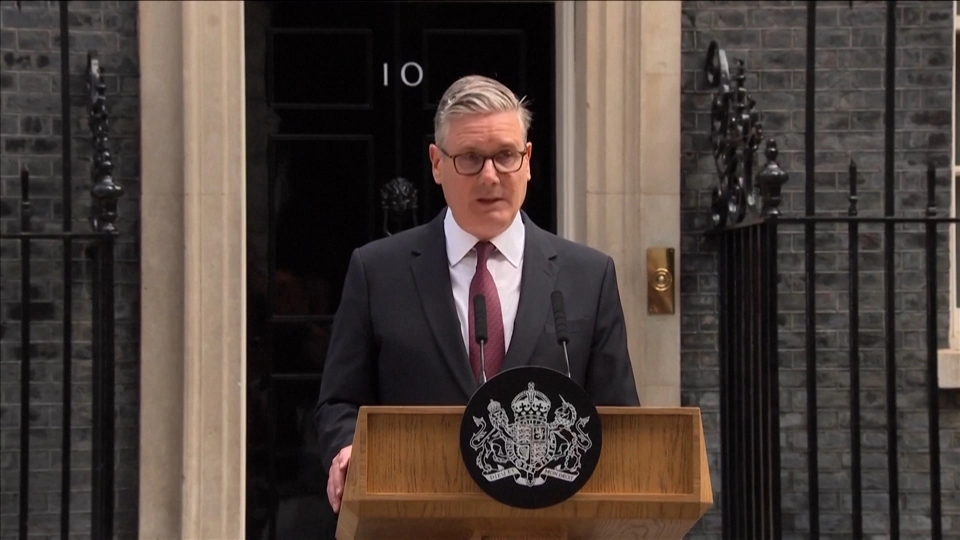 03:25
03:25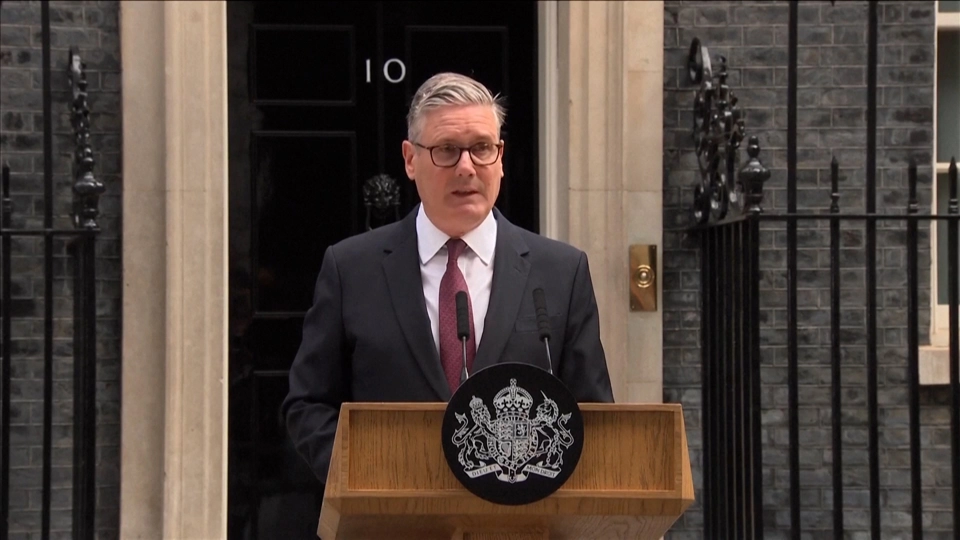 00:54
00:54 01:53
01:53 00:28
00:28 03:22
03:22 01:44
01:44