Germany Seeks Reset with China Amid Trade and Geopolitical Tensions
REPORTER:
The German flag joins the Chinese one above Tiananmen Square in Beijing. German Chancellor Friedrich Merz is now on his first visit to China, hoping for a fresh start in ties. A lot is at stake.
REPORTER:
There’s a growing trade imbalance, including with Chinese vehicles.
REPORTER:
There’s China’s potential influence on Russia and, one of Germany’s biggest concerns, the war in Ukraine.
REPORTER:
And then there’s a European desire to counterbalance its alliance with Washington as US President Donald Trump pursues punishing tariffs.
REPORTER:
A potential reset doesn’t mean Germany’s abandoning its interests. Before leaving, Merz stressed the need for fair trade with China, referring to overproduction and one-way restrictions that hinder German competition. And on Taiwan — a big red line for China, Merz has given Berlin some wiggle room.
Friedrich Merz (GERMAN CHANCELLOR):
With regard to Taiwan, the German government is sticking to its “one China” policy. However, we also determine the exact form this takes ourselves.
REPORTER:
Still, the visit is off to a cordial start, with Chinese Premier Li Qiang welcoming Merz and a meeting with Chinese President Xi Jinping, who also seems ready for a reset. He agrees with Merz’s view that the post-WWII world order is over and the time for something new has come.
Xi Jinping (CHINESE PRESIDENT):
Recently, you also stated that we are experiencing an epoch-making turning point. The more turbulent and intertwined the world becomes the more China and Germany need to strengthen strategic communication and enhance strategic mutual trust.
REPORTER:
Already, there’s at least one success for Merz: China plans to import high-quality goods from Germany, and order up to 120 aircraft from Europe’s Airbus. This doesn’t erase differences between Berlin and Beijing — differences that may take more than Merz’s three-day visit to sort out. He’s warned China against trying to take Taiwan by force—something it has never ruled out. China’s strong advantage in trade is of special concern for Germany.
Friedrich Merz (GERMAN CHANCELLOR):
The trade deficit between Germany and China currently stands at over 80 billion euros. It has quadrupled since 2020, within five years. This dynamic is not healthy, which is why we are addressing it and want to find ways to reduce this trade deficit to our detriment.
REPORTER:
But overall, China seems to be benefiting from the uncertainty of US tariff policy under the Trump administration. Already, Britain’s Keir Starmer and Canada’s Mark Carney have paid visits to Beijing looking to reengage. Now Germany, the world’s third-largest economy, wants the same.
REPORTER:
Hank Hsu and John Van Trieste for TaiwanPlus.
 03:07
03:07 03:23
03:23 00:42
00:42 02:42
02:42 02:54
02:54 00:25
00:25 00:46
00:46 02:36
02:36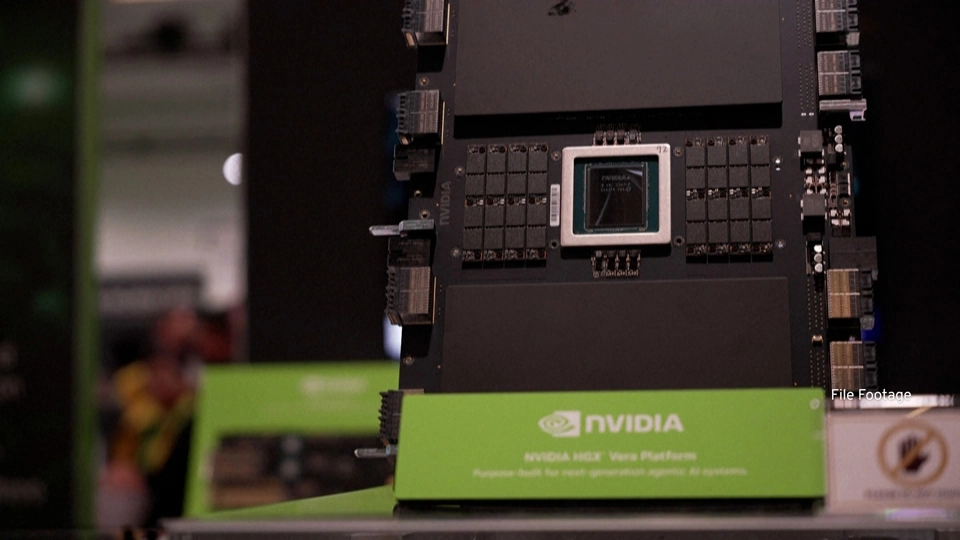 00:33
00:33 02:50
02:50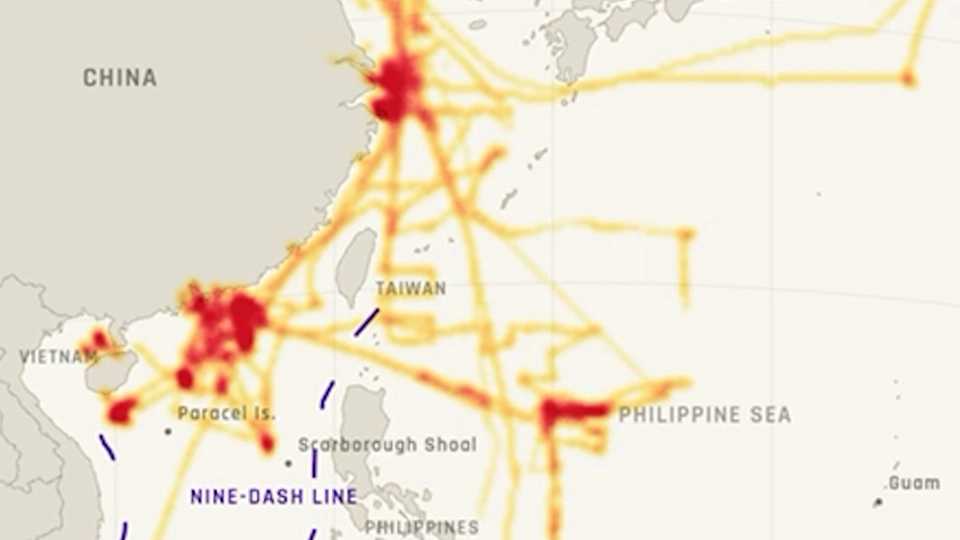 00:27
00:27 02:36
02:36 00:25
00:25 00:25
00:25 00:34
00:34 02:56
02:56