Balikatan 2026: Japan’s Participation Raises Regional Tensions
==
REPORTER:
More than 17,000 troops from 7 countries. This year’s Balikatan military exercise, led by the US and the Philippines, is underway. In a historic first, Japan is joining as a full participant with combat troops.
That could signal a broader shift as Japan moves away from the post-war pacifism that defined much of its foreign policy for decades.
Guermantes Lailari (RETIRED US AIR FORCE OFFICER):
In the last five or 5 or 6 years, Japan has become sort of like a new mini hub and spoke country for the Indo-Pacific region, where it set up reciprocal access agreements and acquisition and cross service agreements with many, many countries.
What we see here is now a sort of like a another big step for Japan
REPORTER:
And while Japan has moved to bolster its own defensive capabilities, it’s also looking to share its advances with like-minded countries. On Tuesday, it loosened its self-imposed restrictions on arms exports. That follows a $7 billion US dollar deal to supply Australia with cutting edge warships signed last week.
This comes as Tokyo’s relations with Beijing are at a low point after Prime Minister Takaichi Sanae said last November that Japan could potentially intervene in a Taiwan Strait conflict. Since then, Japan has deployed missile systems to islands near Taiwan and China, and last Friday, a Japanese destroyer transited the Strait for the first time in Takaichi’s term.
Japan’s recent moves and its participation in Balikatan are not going over well in Beijing.
Guo Jiakun (SPOKESPERSON, CHINA FOREIGN MINISTRY):
Japan should seriously reflect on its history of aggression
and act prudently in military and security fields
rather than flexing military strength everywhere
while undermining regional stability.
REPORTER:
China says the Balikatan exercise will result in “division and confrontation.” It’s sent warships to the Western Pacific to do their own training during the drills.
With this flurry of military activity, eyes across the Indo-Pacific will be watching just how regional tensions continue to develop.
Joseph Wu and Lery Hiciano, for TaiwanPlus.
[==SOT]##
---
Japan Joining Drills Sparks Regional Tensions
==
REPORTER:
More than 17,000 troops from 7 partner countries, led by the US and the Philippines, will participate in this year’s Balikatan military exercises. In a historic first, Japan is joining not as an observer, but as a full participant with combat troops.
Experts say this is part of a broader shift in Japan’s defensive posture, moving away from the post-war pacifism that defined much of its foreign policy.
Guermantes Lailari (RETIRED US AIR FORCE OFFICER):
In the last five or 5 or 6 years, Japan has become sort of like a new mini hub and spoke country for the Indo-Pacific region, where it set up reciprocal access agreements and acquisition and cross service agreements with many, many countries.
What we see here is now a sort of like a another big step for Japan
REPORTER:
In 2026, Japan has moved to bolster its own defensive capabilities and work closer with like-minded countries. On Tuesday, Japan loosened its self-imposed restrictions on arms exports, looking for a boost to its defense industry. Last Saturday, it inked a $7 billion US dollar deal with Australia to sell cutting edge warships.
Since prime minister Takaichi Sanae’s comments last November on Japan potentially intervening in a Taiwan Strait conflict, relations with Beijing have nosedived. Last Friday, a Japanese destroyer transited the Taiwan Strait for the first time in Takaichi’s term. Since taking office, she’s overseen Japan install new missile defense systems in Okinawa and Kyushu, territories closest to China and disputed areas of the East China Sea. Tokyo’s participation in the drills and its broader remilitarization efforts have gone over badly in Beijing.
Guo Jiakun (CHINA FOREIGN MINISTRY SPOKESPERSON):
Japan should seriously reflect on its history of aggression
and act prudently in military and security fields
rather than flexing military strength everywhere
while undermining regional stability.
REPORTER:
In addition to Tokyo, Beijing has seen relations with Manila spike amid disputes in the South China Sea. Beijing’s foreign ministry has already said the exercises will result in “division and confrontation.” China has also dispatched warships to the Western Pacific to take part in their own training exercise while Balikatan goes on.
How regional tensions continue to develop will be a concern in capitals across the Indo-Pacific region.
Joseph Wu and Lery Hiciano, for TaiwanPlus.
 02:15
02:15 03:07
03:07 03:25
03:25 03:01
03:01 00:42
00:42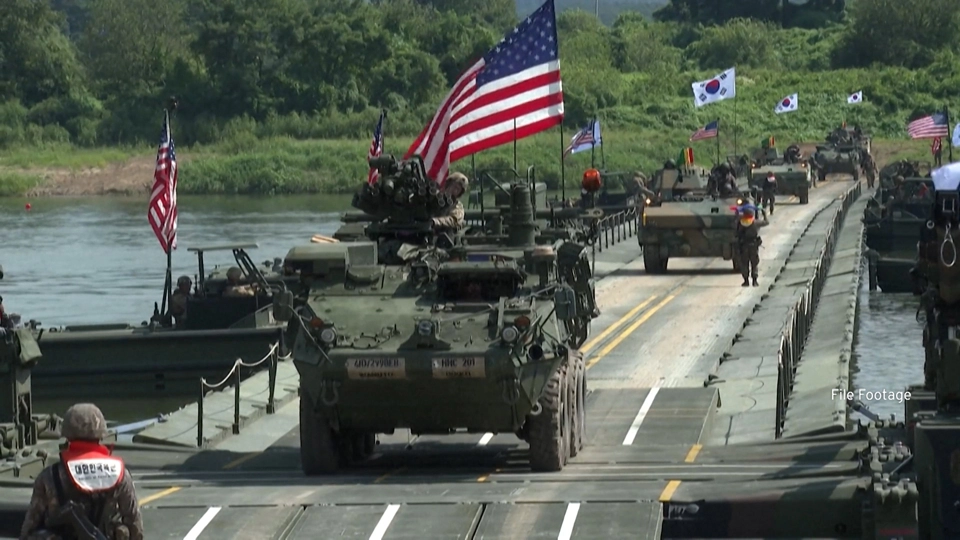 00:30
00:30 02:42
02:42 02:54
02:54 03:24
03:24 02:06
02:06 00:32
00:32 00:29
00:29 00:30
00:30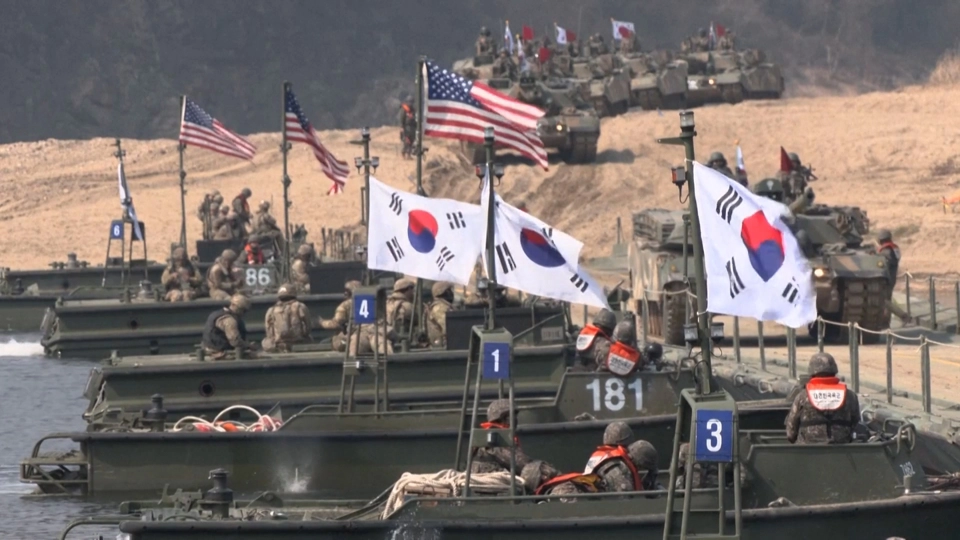 03:50
03:50 03:09
03:09 04:36
04:36