US Prepares New Tariffs on Taiwan and Others as Global 10% Levy Expires
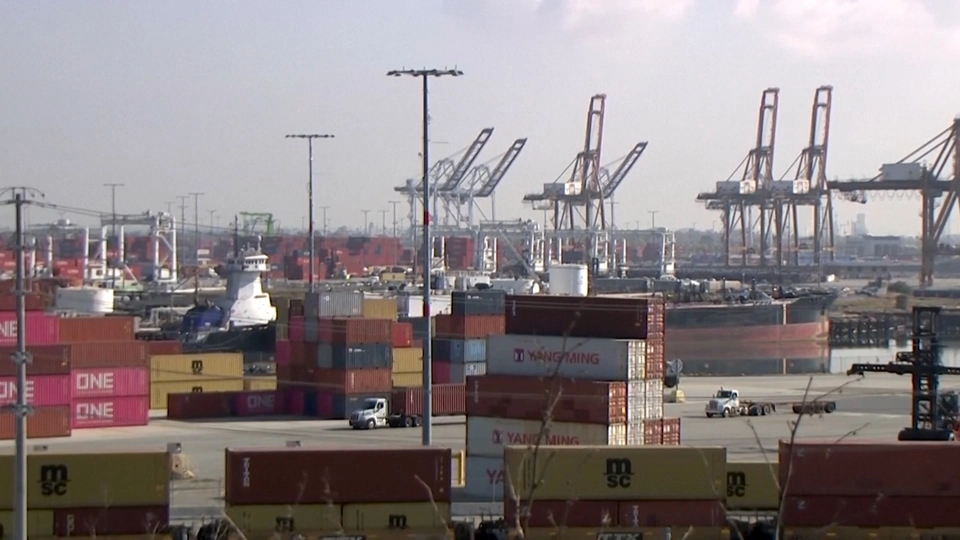
Taiwan could face fresh US tariffs by Friday as the Trump administration prepares new trade measures after a 10% global tariff is set to expire. A planned Section 301 investigation into forced labor practices involving 60 trading partners, including Taiwan, could lead to additional tariffs of 10% or 12.5%.
REPORTER:
Taiwan could face fresh US tariffs by Friday as the Trump administration looks for new ways to keep up the pressure on trading partners.
REPORTER:
US Trade Representative Jamieson Greer says Washington will soon release a Section 301 investigation. It examines whether 60 trading partners, including Taiwan, have failed to address issues of forced labor. The probe could lead to additional tariffs of 10 or 12.5 percent.
REPORTER:
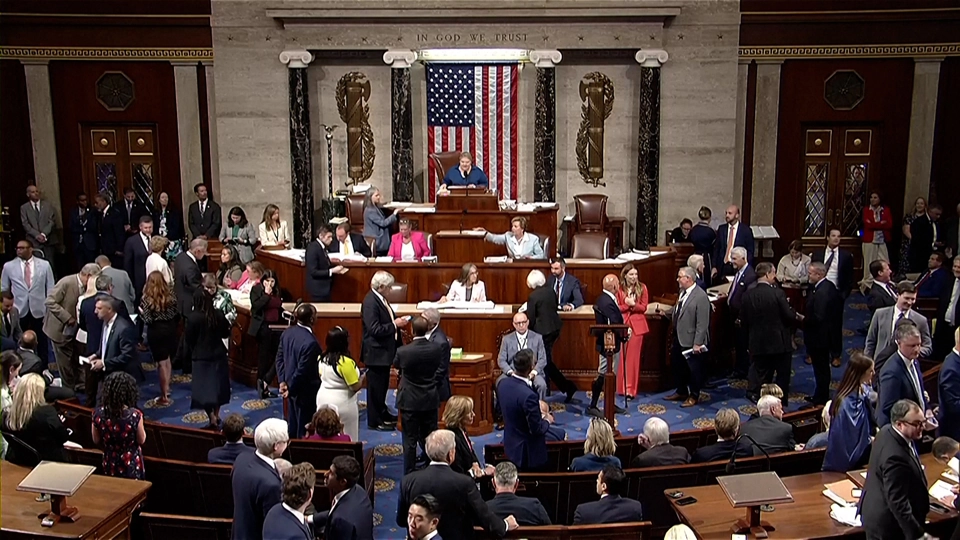
The investigations represent the Trump administration's efforts to find a new legal basis for tariffs. That follows the US Supreme Court's decision to strike down Donald Trump's so-called liberation day tariffs in February. After the ruling, the US president used a different law to impose a 10% global tariff, but that measure is set to expire this week. The administration is now turning to Section 301 forced labor investigations to keep tariffs in place.
REPORTER:
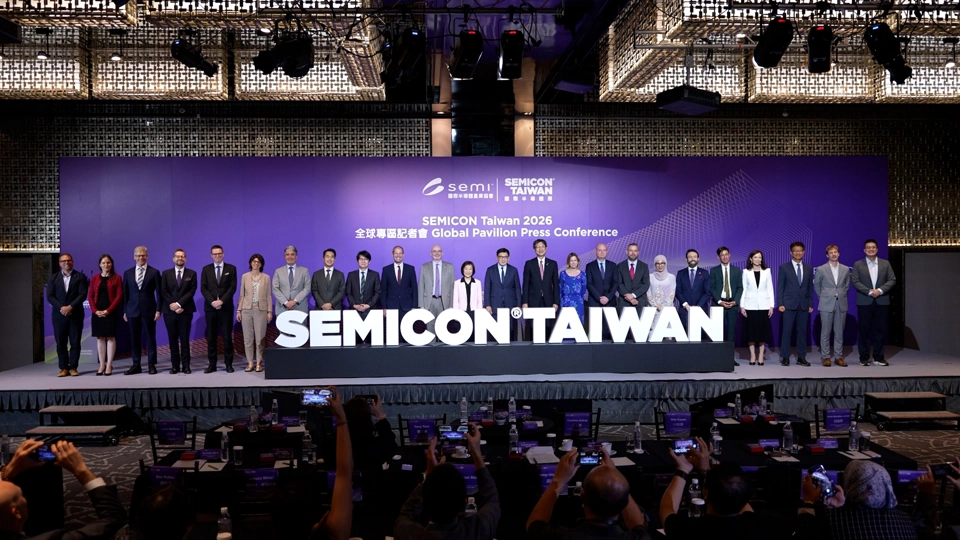
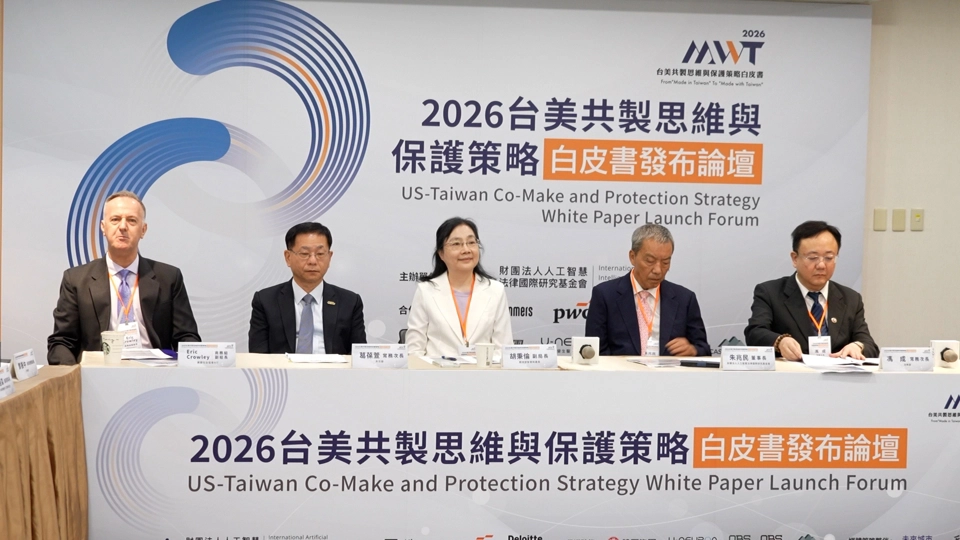
Taiwan's government says it remains in close contact with Washington. Taiwan and the US signed a reciprocal trade agreement in February, before the Supreme Court ruling, and Taipei says Washington should consider those existing terms.
Michelle Lee (CABINET SPOKESPERSON):
The US will consider the trade deals reached with each country. We will continue to maintain close communication with the US to ensure that when it sets final tariff rates Taiwan receives relatively favorable treatment.
REPORTER:
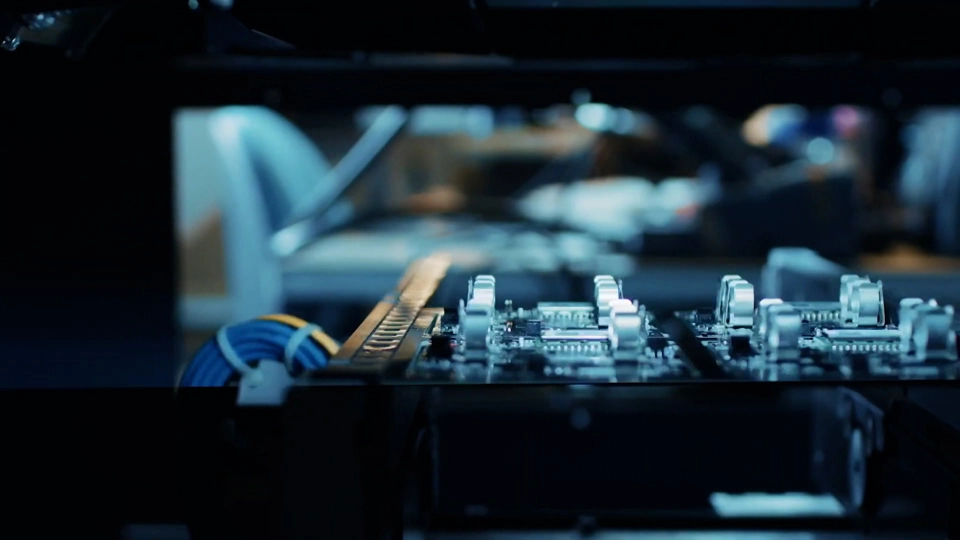
Economists also point to the US’s reliance on Taiwan's high-tech products, and most importantly, critical chips.
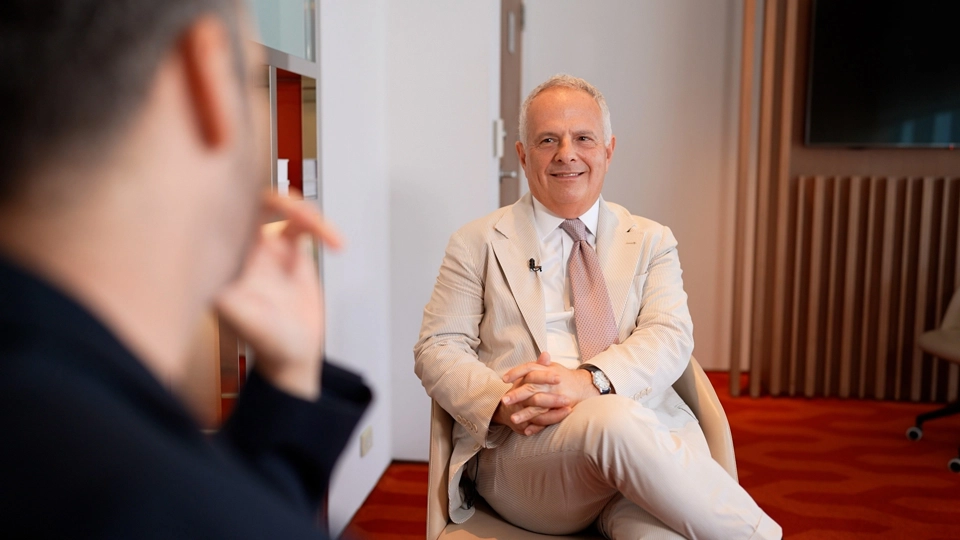
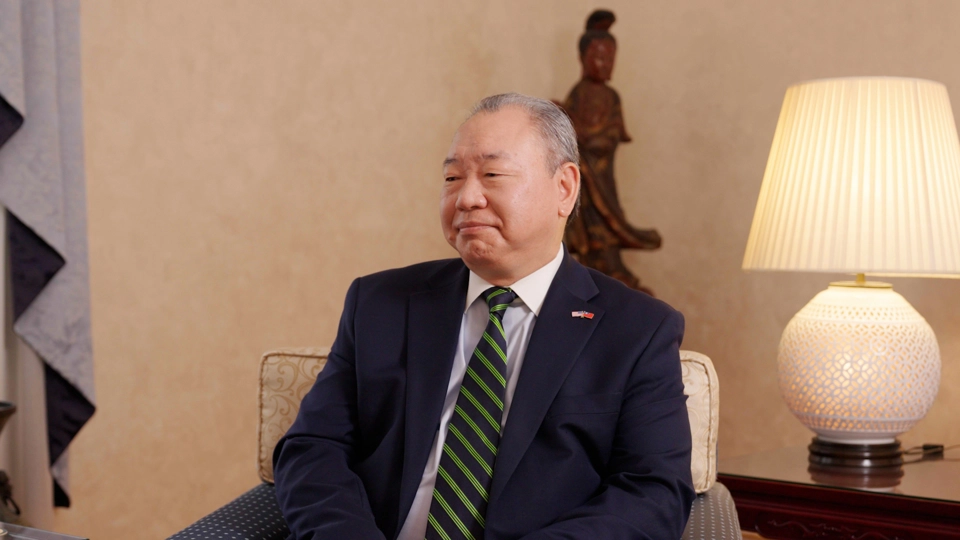
Darson Chiu (DIRECTOR-GENERAL, CACCI):
Because the US relies on Taiwan's high-tech products and these companies investing in the US are at the heart of the Trump administration's industrial policy I therefore believe that on this basis the tariff pressure on Taiwan will not be greater than that faced by other countries.
REPORTER:
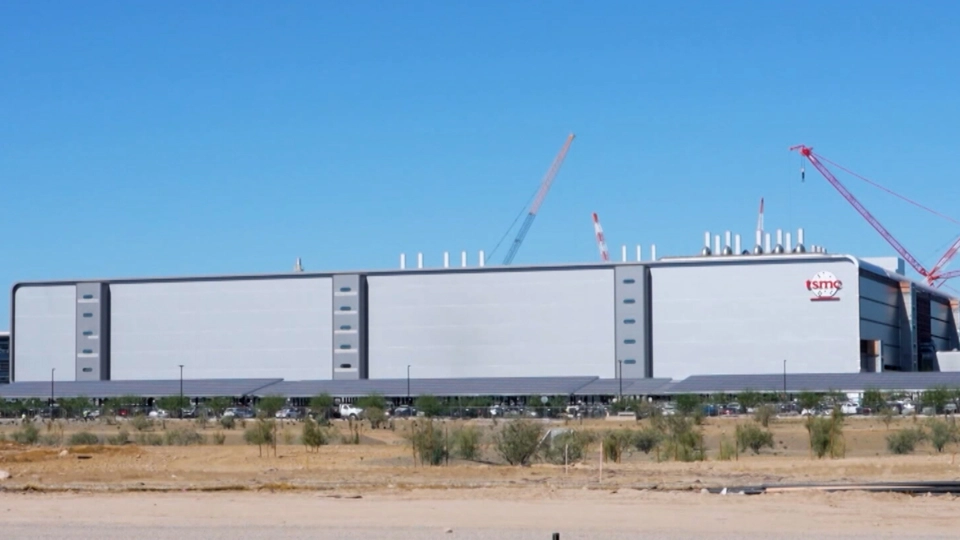
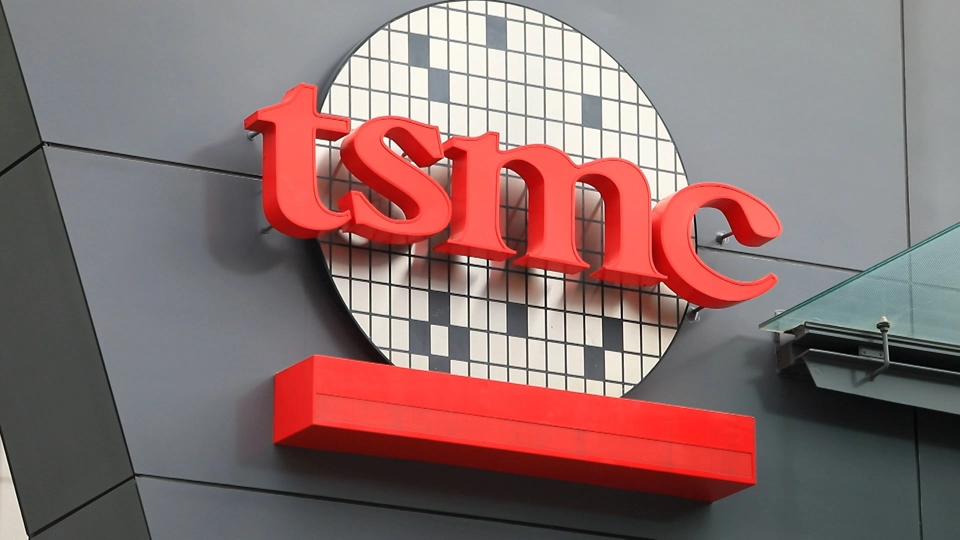
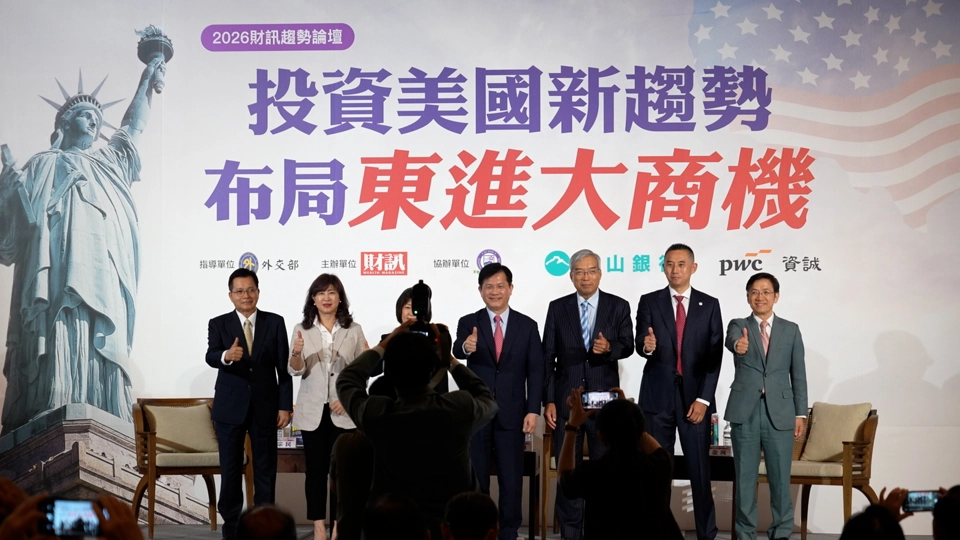
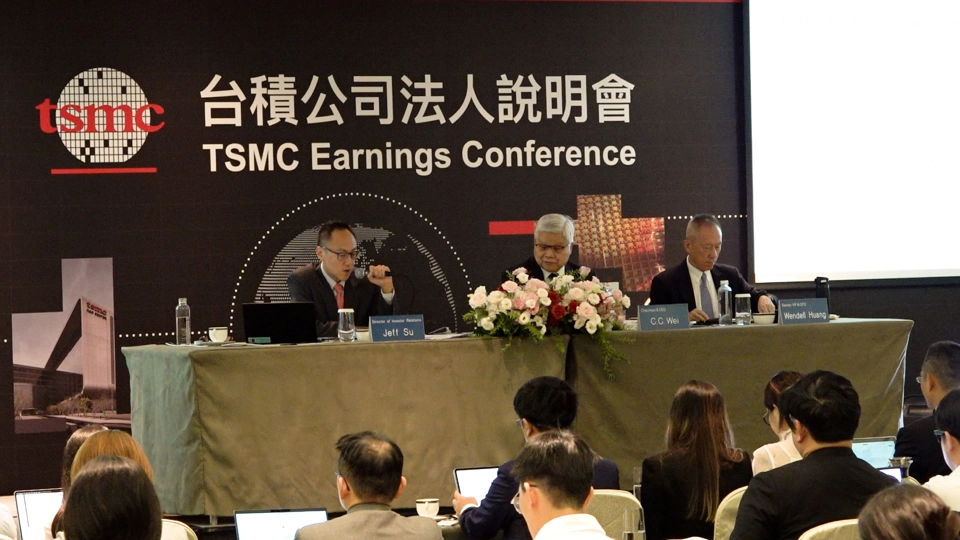
Taiwan's government and businesses have already made plans for major investment in the US. Just last week, Taiwanese chip giant TSMC increased its total US investment commitment to a record $265 billion US dollars.
REPORTER:
Taiwan, with its high-tech sector and investment commitments in the US, could face less pressure than some of its regional rivals. But the country’s government and businesses will want to be doing all they can to ensure they get the best possible terms.