Analysis: How TSMC Keeps Taiwan Ahead Despite US Expansion
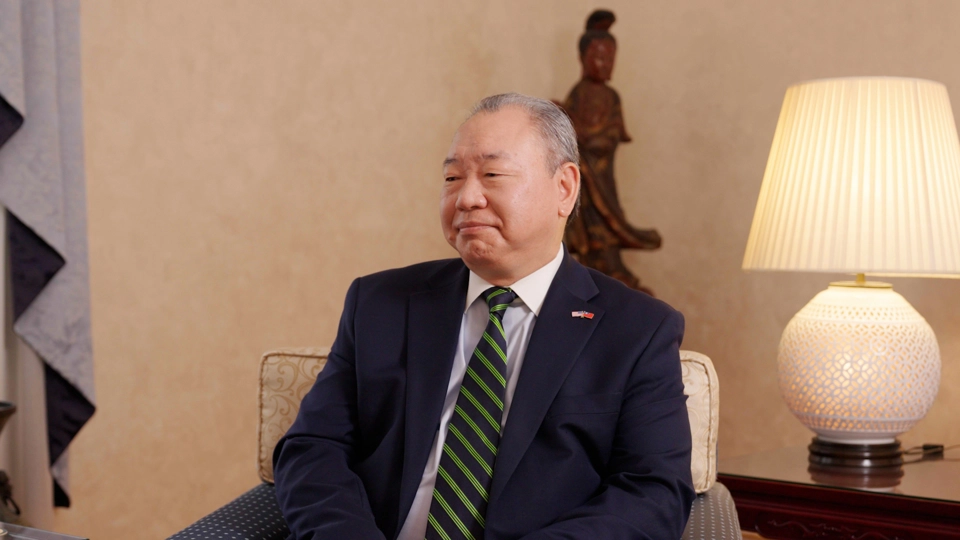
TSMC's expanded US investment into Arizona has raised questions about Taiwan's leadership in semiconductor manufacturing. Industry expert Jason Ho explains how TSMC keeps Taiwan one generation ahead, even as it grows advanced chipmaking in the US. He says the "Mother Fab" strategy ensures that the newest technologies and R&D remain in Taiwan.
Lily LaMattina (REPORTER):
TSMC just announced an extra $100 billion US dollars to expand its capacity in the US. What is the significance of this latest investment, and why do you think it's happening now?
Jason Ho (SENIOR ADVISOR, QUANTUM INTERNATIONAL CORP):
This is a strategy of using investment to secure future growth while strengthening ties with top US AI customers. AI chip demand continues to outstrip supply. Major North American customers, such as Nvidia and Apple urgently need TSMC's advanced manufacturing capacity. At the same time, the US government is concerned about potential cross-strait risks. That's why the expansion was announced now. Building advanced manufacturing and packaging capacity in the US gives these customers a more resilient local supply chain. So why announce it now? TSMC has reported record-breaking earnings in recent quarters. Announcing it while cash reserves are strong and ahead of the US election when political and economic conditions may shift allows TSMC to unveil this US$100 billion investment. It shows goodwill toward the US government. It also helps build a buffer against future tariffs and political risks.
Lily LaMattina (REPORTER):
TSMC has repeatedly reassured that its most advanced technologies would stay in Taiwan. But now the company says its new fabs in Arizona will produce some of its most advanced 2-nanometer and below chips. Does that contradict its earlier commitments?
Jason Ho (SENIOR ADVISOR, QUANTUM INTERNATIONAL CORP):
From an industry perspective, there's no contradiction. That's because TSMC's strategy is to maintain a one-generation lead keeping a generational gap. In other words, the most advanced processes remain in Taiwan. The “Mother Fab” is in Taiwan, so core R&D and the first mass production both stay in Taiwan. Once yields become stable we then replicate production at our Arizona fabs. For example, 2 nanometer production has already begun in Baoshan and Kaohsiung. By the time US fabs are built and fully ramped up two to three years will have passed. So when US fabs begin producing 2 nm chips Taiwan will already be mass producing the next-generation A13 or A14 nodes.
Lily LaMattina (REPORTER):
Some observers still worry that as TSMC expands its manufacturing overseas, Taiwan’s role at the center of the global semiconductor industry could be weakened. Do you think those concerns are justified?
Jason Ho (SENIOR ADVISOR, QUANTUM INTERNATIONAL CORP):
I don't think so. First, TSMC said at last year's earnings call that once all its US fabs are completed US capacity would account for about 30% of its new global capacity. With this additional US$100 billion investment there will be 12 fabs in total including advanced process and advanced packaging facilities located in the US. But in Taiwan, I believe that after 2030 there will be more than 40 advanced process and packaging fabs. So it's really 40 versus 12. I believe the most advanced technologies will remain in Taiwan. So even with the expanded US investment bringing the total to US$265 billion this expansion plan will not threaten Taiwan's role as the global hub for advanced manufacturing.