AmCham White Paper Hails 'Golden Age' of Taiwan-US Trade
By Devin Tsai/Irene Lin
The American Chamber of Commerce in Taiwan has labeled 2026 a "golden age" for Taiwan-US trade in its annual White Paper, following a massive 70% year-on-year trade expansion from January to April driven by collaborative AI developments and supply chain shifts. However, the report also expresses anxieties regarding power grid reliability and migrant labor rights.
A “golden age” for Taiwan-US trade and investment partnership... that’s the view of the American Chamber of Commerce in its 2026 White Paper... as both countries navigate geopolitical uncertainty and a new trade deal.
The US is Taiwan’s top trade partner... and Taiwan ranks number four for the US.
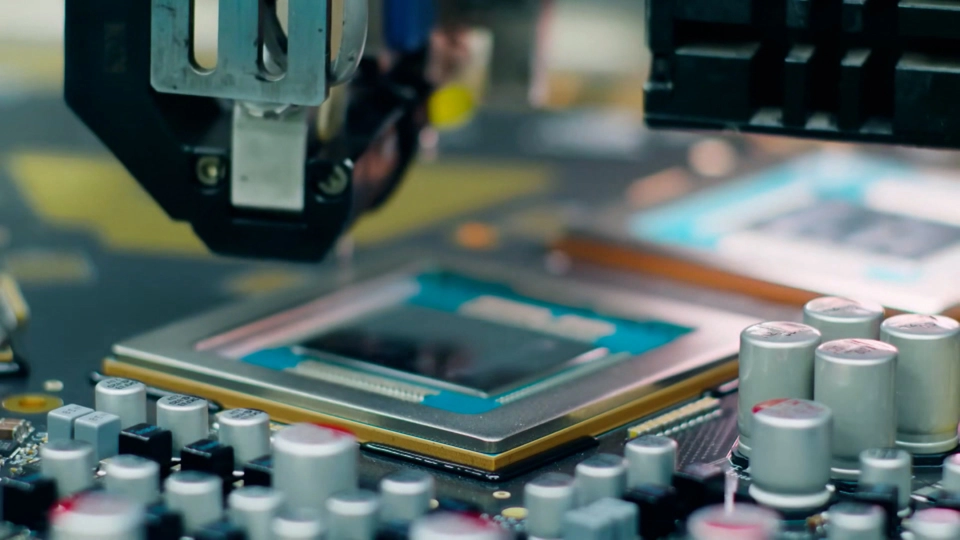
The report says two-way trade rose by 70 percent year-on-year from January to April this year... largely driven by mutual investment in AI, chips and equipment.
CARL WEGNER, PRESIDENT, AMCHAM TAIWAN (Taipei): "This is an opportunity for the US and Taiwan to work even closer together collaborate. And I think it’s a great opportunity i think it’s Pax Silica is also another great opportunity for the US as it has brought Taiwan in for Taiwan to show their strength as a technology supply chain partner."
The white paper comes after Taiwan and the US secured an agreement on tariffs in February after months of negotiations... led by Taiwan’s vice premier, Cheng Li-chiun.
The current deal means a 15 percent tariff for most Taiwanese exports to the US, with exemptions for over 2,000 agricultural and industrial products.
It also gives the US more access to Taiwan’s market for goods including ground beef and motor vehicles.
One area of concern for AmCham meanwhile is the reliability of Taiwan’s power grid.
The country phased out nuclear power last year and is actively expanding its renewable energy sources... but American partners are worried that renewables may not meet surging industry demand for electricity from the AI boom.
AmCham suggests the government should raise the issue of energy security to the presidential level.
And as firms invest in local production capacity... discussions about better treatment for foreign migrant workers also top the list of recommendations... as Taiwan is on the list of economies that need to better enforce a ban on the use of forced labor.
ANITA CHEN, CHAIR, AMCHAM TAIWAN: "We strongly support removing goods that were made with forced labor. But as Carl mentioned, the USTR investigation.. It was an assessment across 60 economies. Including Japan, Korea, including some EU countries. It does not single out Taiwan. And we see that there’s opportunity—upcoming opportunity—in July. There’s a hearing and a commenting period to enter into dialogue. And clarify concerns from each other. And also more importantly, to coordinate compliance and expectations."
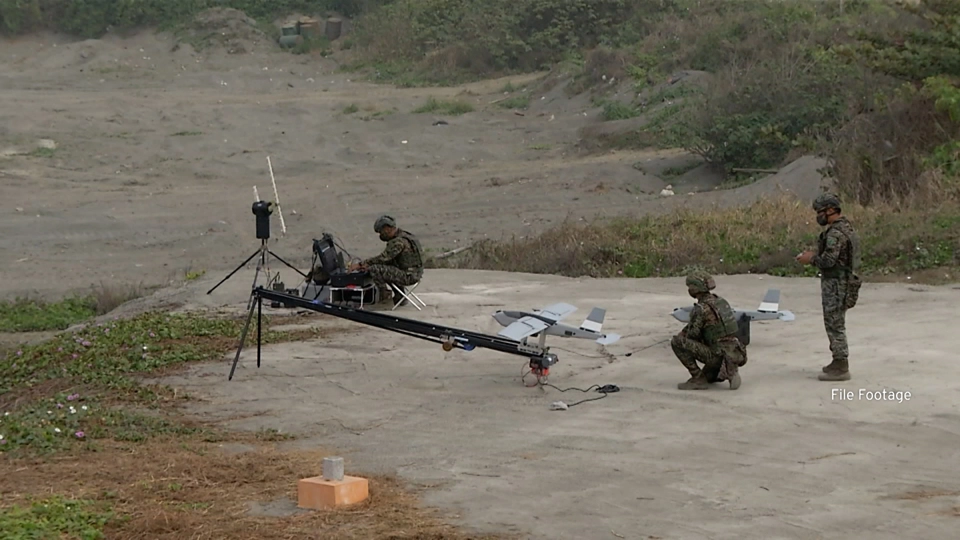
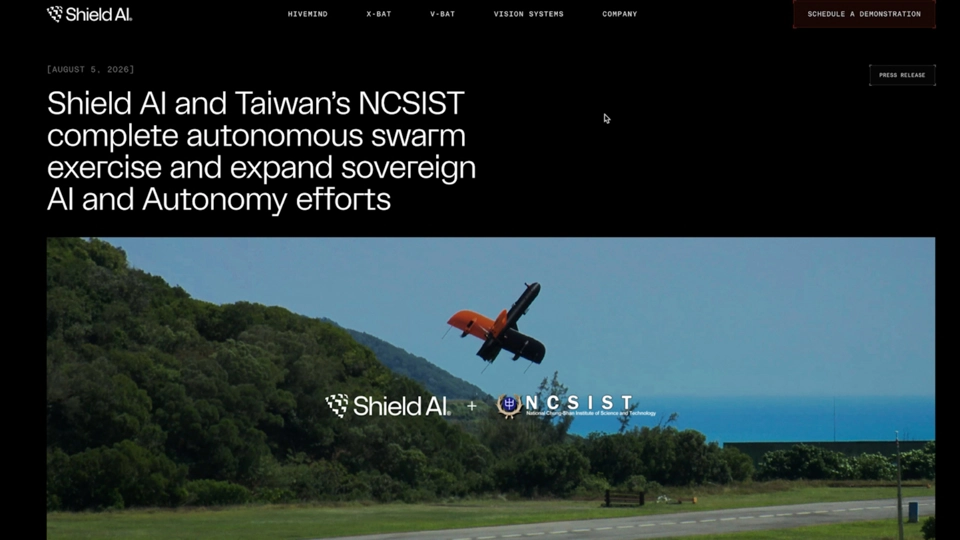
The paper offers over 200 recommendations that also include strengthening joint drone development and making Taiwan more appealing to foreign skilled workers.
While the geopolitical and industrial alliance between Taipei and Washington has never been tighter... sustaining this momentum will require concrete policy fixes.