Taiwan’s Trade Deal with the US Faces Uncertainty Amid Trump Tariff Backlash
---
REPORTER:
As President Trump’s sweeping tariffs face legal uncertainty, Taiwan’s freshly-signed deal with Washington is also in limbo. While Taipei is standing by the deal, our reporter Ai Chi spoke with Dachrahn Wu, head of the Taiwan Economic Development Research Center at National Central University, to assess the current situation.
---
Dachrahn Wu (NATIONAL CENTRAL UNIVERSITY):
I think the impact on Taiwan is actually very limited
so there’s really no need to worry too much.
Our deal with the US also covers Section 232 items
like auto parts, steel, aluminum, copper
and even future semiconductor tariffs
and we’ve already secured the most favorable terms.
More than 70% of our semiconductor exports
fall under the Section 232 tariff framework.
That’s a very high proportion.
So this is actually the key issue for Taiwan.
In the negotiations
we already secured the most favorable terms.
If renegotiating causes us to lose
some of the preferential treatment we’ve already gained
the impact on Taiwan could actually be worse.
So personally feel we should wait
and see how things develop.
---
REPORTER:
If Section 232 products make up 70% of Taiwan’s exports to the US and that part of the agreement is unaffected, why does the reciprocal tariff deal remain so important?
---
Dachrahn Wu (NATIONAL CENTRAL UNIVERSITY):
Traditional industries don’t make up a very large share
of our total exports to the US, about 20%.
But they actually employ more people than the tech sector.
So the impact on workers and their families
would definitely be significant.
That’s why I think this is something
the government can’t afford to overlook.
---
REPORTER:
With US President Trump and Chinese leader Xi Jinping set to meet in late March, how could the tariff situation affect them and Taiwan?
---
Dachrahn Wu (NATIONAL CENTRAL UNIVERSITY):
When it comes to US–China relations
there are still many issues to work through.
Even if he can’t exert as much pressure on China economically
he still has leverage in areas like the military and diplomacy.
I don’t think the US would make major concessions
on the Taiwan issue just because its economic power
might be a bit weaker right now.
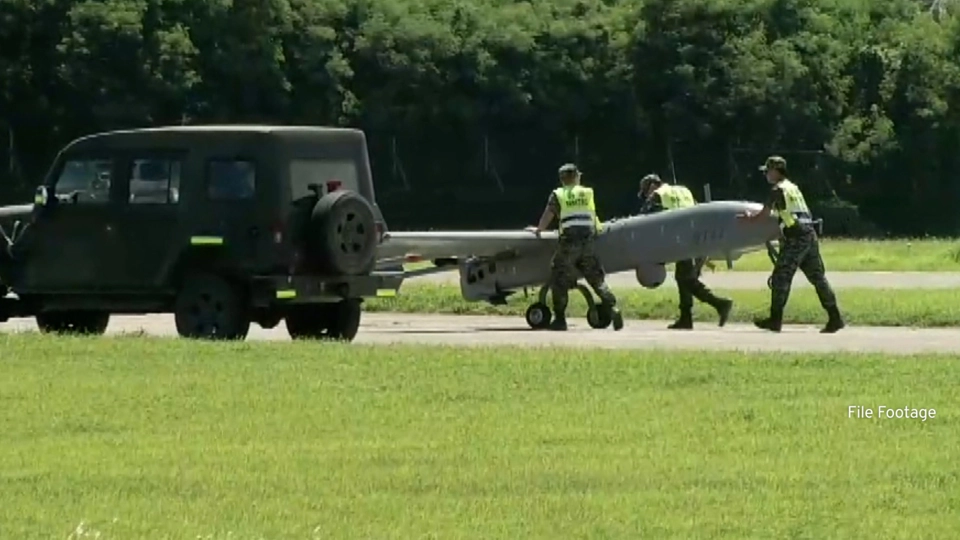
Its real deterrence against China still lies in its military strength.
The US military remains the strongest in the world.
And Taiwan also has a certain level of
countermeasure capabilities of its own.
 04:02
04:02 02:33
02:33 00:44
00:44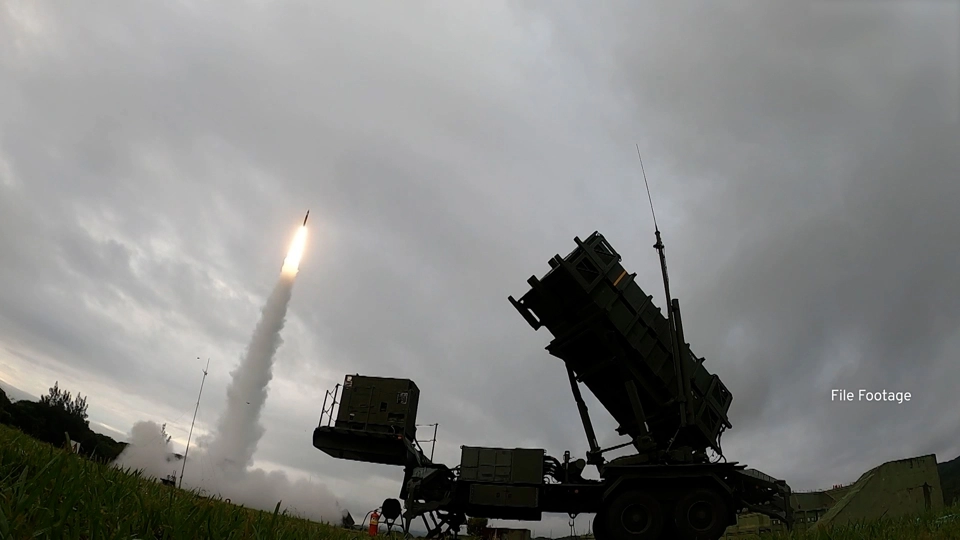 02:56
02:56 04:54
04:54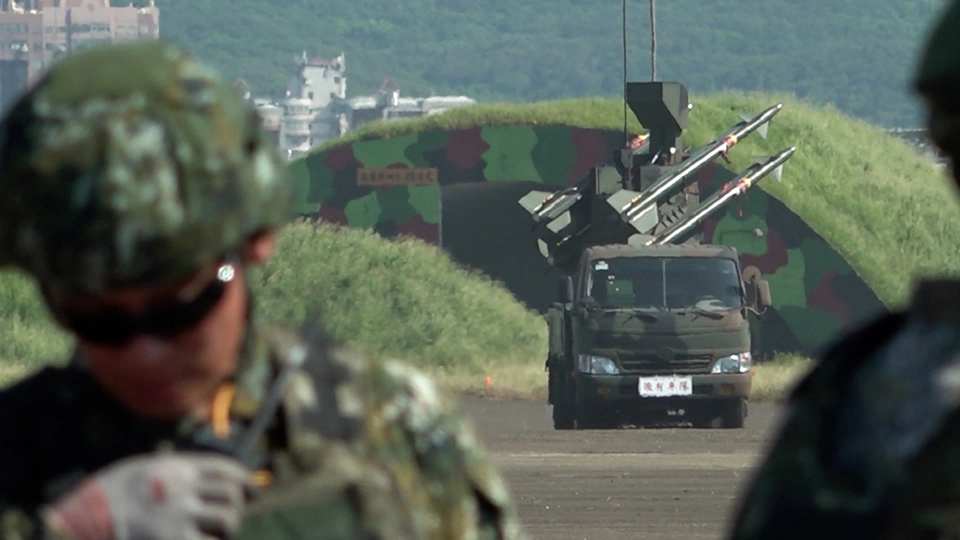 03:19
03:19 00:34
00:34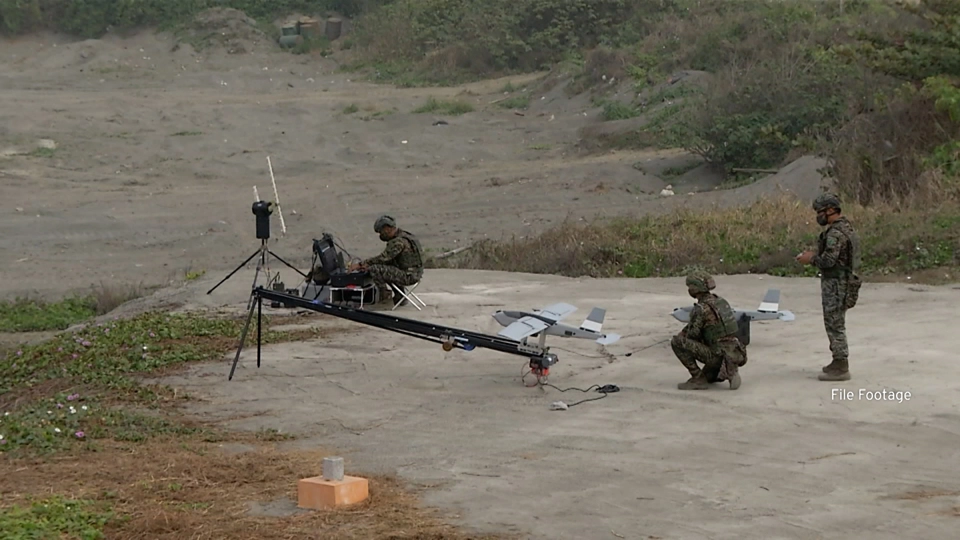 01:56
01:56 00:34
00:34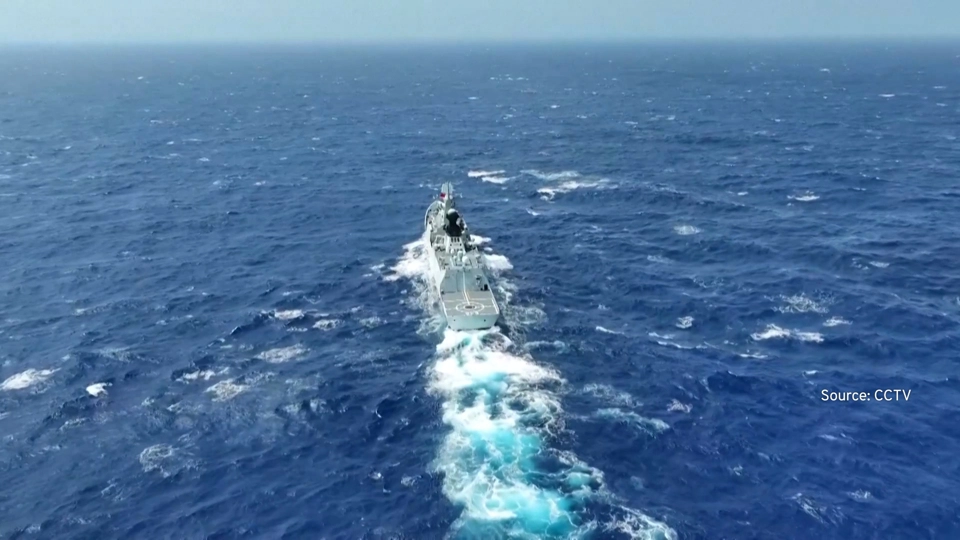 00:31
00:31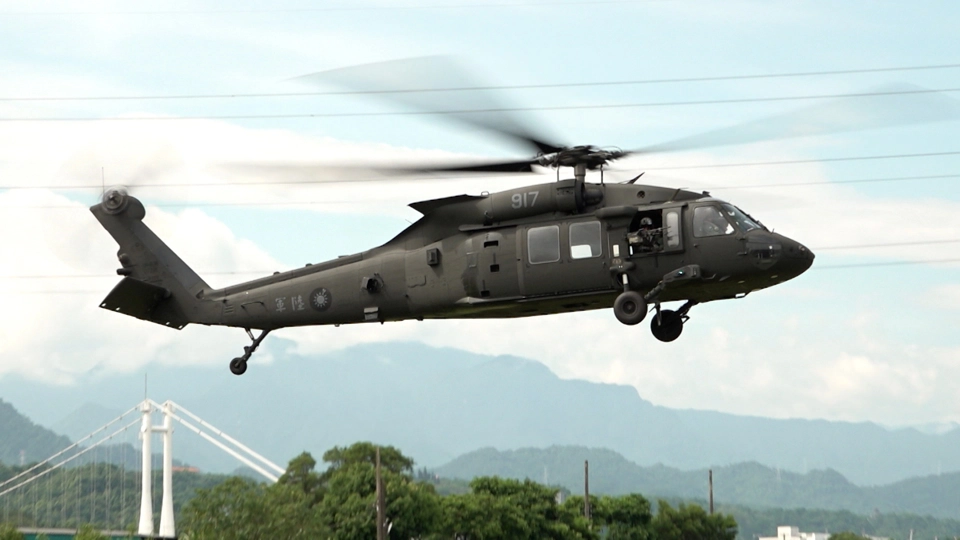 02:38
02:38 07:10
07:10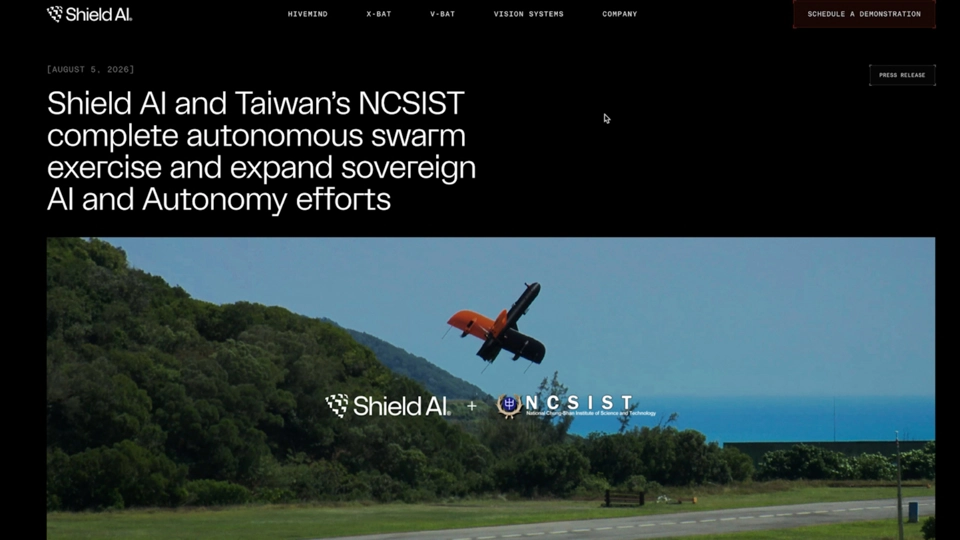 00:36
00:36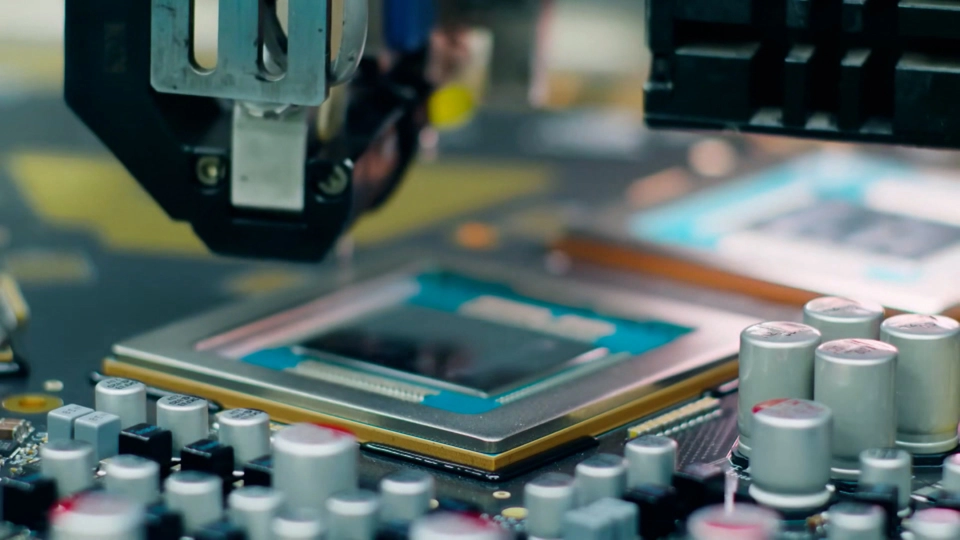 00:35
00:35 00:31
00:31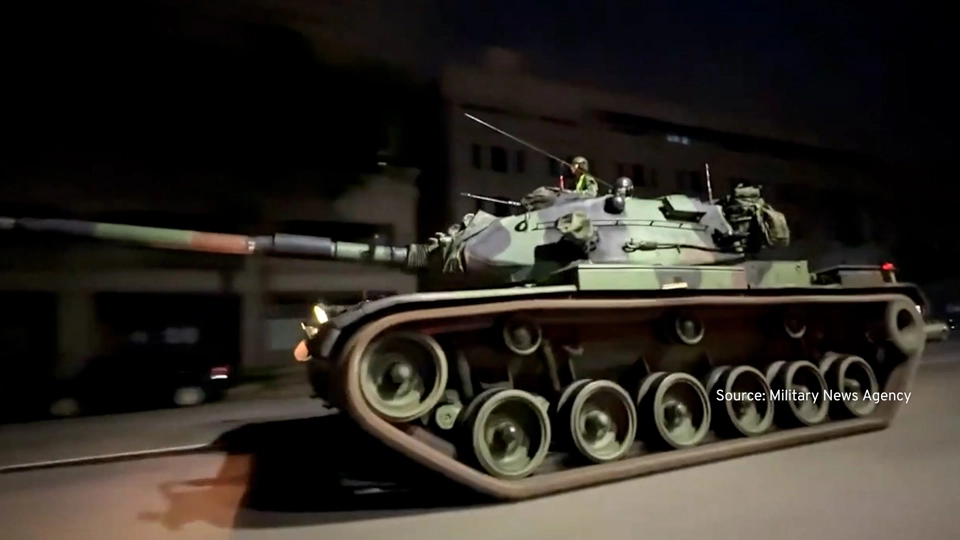 02:36
02:36