Taiwan Legislature Debates Competing Defense Spending Plans
REPORTER:
Lawmakers are advancing defense proposals from each major party. It’s mostly a procedural step that paves the way for each party’s bill to be debated in committee.
REPORTER:
The original proposal by the Lai administration was for $40 billion US dollars, spread out over eight years, funding an already agreed-upon arms package from the US, in addition to a T-dome missile defense system and 200,000 drones.
The Taiwan People’s Party put forward a bill that only funds the US arms deal, and has a spending cap of about $13 billion.
The Kuomintang is proposing roughly $11 billion, in what they’re calling a “PLUS N” plan, providing a path for future arms sales if they are government-to-government agreements and receive further legislative approval.
REPORTER:
The defense ministry says the KMT proposal isn’t feasible, as it leaves gaps in Taiwan’s defensive plans and puts impossible requirements on vital arms sales.
Wellington Koo (DEFENSE MINISTER):
[The KMT bill] requires us to have everything fully delivered and completed by the end of 2028. If that’s the case, then I can say it would effectively block all five of these arms transfers because it is simply not workable. It is completely impossible.
REPORTER:
Arms sales normally take years to complete, so a deadline of just over two years away would be difficult to meet, especially for these complex, precision weapons systems. And Taiwan has little control over US arms production.
REPORTER:
Taiwan is already on track to buy weapons worth $11 billion from the US. If it does not sign the offer and acquisition letters by March 15, then the US can sell some of those weapons to another country, or renegotiate the price.
The defense ministry wants to sign the authorization letters first, then return to the standard procurement review process after that. On Friday morning, the Taiwan People’s Party said they would put forward a motion to do just that.
REPORTER:
The TPP and KMT have been feeling the pressure from Washington, with US lawmakers and experts urging them to take Taiwan’s defense more seriously. This political deadlock hasn’t done much to assuage those concerns.
REPORTER:
This also comes as US President Donald Trump prepares to go to China at the end of this month. Ahead of that, Trump reportedly delayed arms sales to Taiwan, raising fears about US commitment. Further showing that time is of the essence for Taiwan.
 03:50
03:50 00:52
00:52 04:02
04:02 03:34
03:34 00:31
00:31 00:35
00:35 02:02
02:02 00:41
00:41 00:52
00:52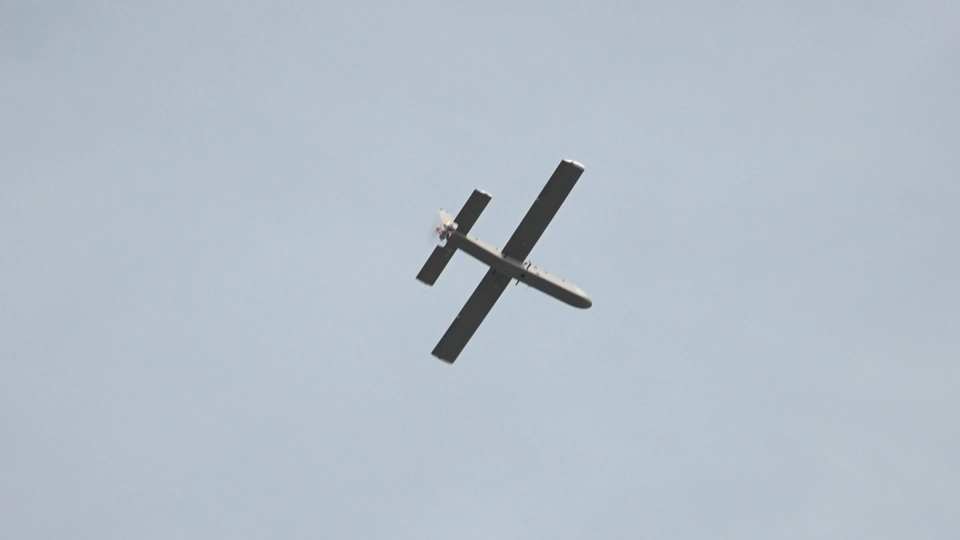 02:33
02:33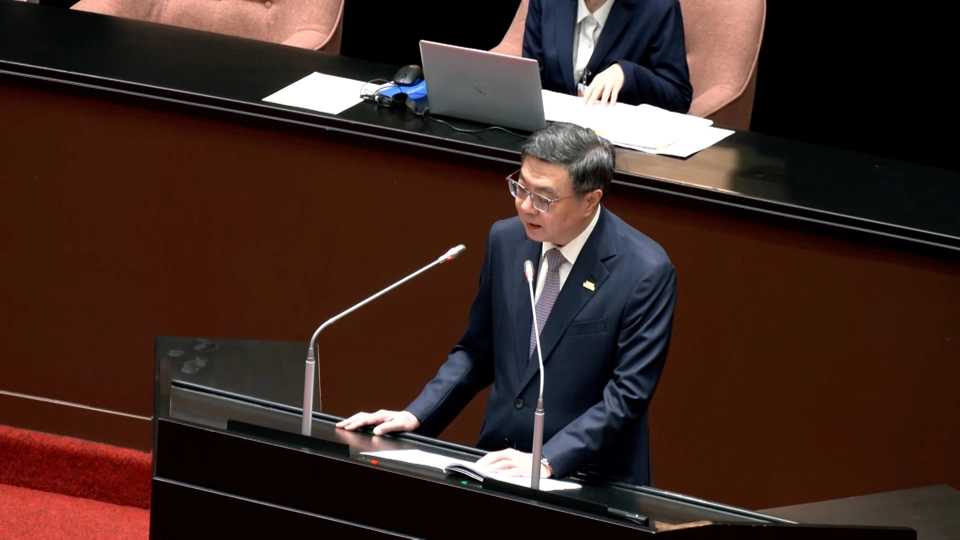 00:26
00:26 04:03
04:03 03:03
03:03 02:06
02:06 01:50
01:50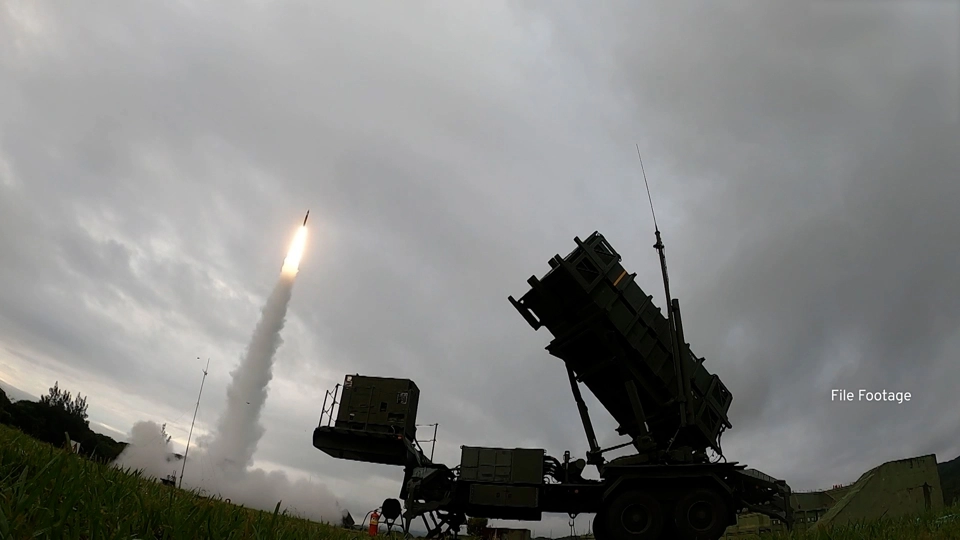 02:56
02:56