Taiwan Opposition Leader Meets with US Officials Amid Debate Over Defense Spending
REPORTER:
The head of the American Institute in Taiwan, the US’ de-facto embassy in Taipei, has met with the new chair of Taiwan’s main opposition, the Kuomintang. It comes amid reports that Washington is concerned about Taiwan’s defense spending.
REPORTER:
The meeting on Wednesday was the first between AIT Director Raymond Greene and KMT Chair Cheng Li-wun, with peace and stability across the Taiwan Strait at the top of their agenda.
In a statement, the AIT told TaiwanPlus that both sides highlighted that cross-strait differences should be resolved by peaceful means and free from coercion.
The KMT says the meeting went well, and that both look forward to possible future exchanges.
Chiang Yi-chen (KMT SPOKESPERSON):
KMT Chair Cheng Li-wun emphasized
that Taiwan-US relations are of vital importance
and expressed hope that the US will continue
to show understanding and support.
REPORTER:
When we asked whether the two discussed Cheng’s earlier comments opposing an increase in Taiwan’s defense budget, neither AIT nor the KMT confirmed this.
But experts say the meeting likely served as an opportunity for the US to gauge how the KMT – which together with a smaller party holds a majority in the legislature -- plans to approach key issues that concern Washington.
Wang Hung-jen (PROFESSOR, NATIONAL CHENG KUNG UNIVERSITY):
This means the US side
now has a clearer understanding
of Cheng Li-wun’s position.
And this meeting was a good opportunity
to have better communication with her.
REPORTER:
In response to the meeting, Taiwan’s defense minister reiterated the need for increased defense spending.
Wellington Koo (DEFENSE MINISTER):
The push to increase the defense budget
is based on the level of threat
we face from the enemy
and on the needs of our defensive
and operational capabilities.
We must strengthen our self-defense capabilities.
REPORTER:
President Lai Ching-te aims to raise Taiwan’s defense spending to more than 3% of GDP next year – and to 5% by 2030. But it's unclear whether those goals can be met.
REPORTER:
Military budget aside, the warm words about the recent meeting could suggest that the door is still open for dialogue.
---
Details of the KMT and AIT Meeting Highlight Importance of US-Taiwan Relations
REPORTER:
KMT Chair Cheng Li-wun today received American Institute in Taiwan (AIT) Director Raymond Greene and his colleagues at KMT Headquarters for a cordial and highly pleasant exchange on U.S.–Taiwan relations and Cross-strait issues.
REPORTER:
Chair Cheng underscored that the relationship between Taiwan and the United States is of vital importance, and expressed her hope for continued U.S. understanding and support. She emphasized that sustained dialogue and mutual trust are essential to maintaining peace and stability across the region.
REPORTER:
Director Greene reaffirmed that the United States does not seek confrontation or conflict across the Taiwan Strait, stressing that Washington’s top priority is to avoid war and to ensure that any resolution of cross-strait differences remains peaceful and free from coercion. Chair Cheng fully shared this view, and both sides agreed that cross-strait peace is not only crucial to regional stability but also indispensable to global peace. They also shared the belief that any change to the status quo must respect the will of people on both sides of the Strait.
REPORTER:
The meeting took place in an exceptionally warm, friendly, and constructive atmosphere. Both sides expressed appreciation for the open and substantive dialogue and reaffirmed their shared commitment to continued communication and cooperation.
REPORTER:
Director Greene also extended an invitation for Chair Cheng to visit Washington in the future, and both sides expressed their anticipation of further exchanges.
 04:02
04:02 02:33
02:33 00:44
00:44 02:56
02:56 04:54
04:54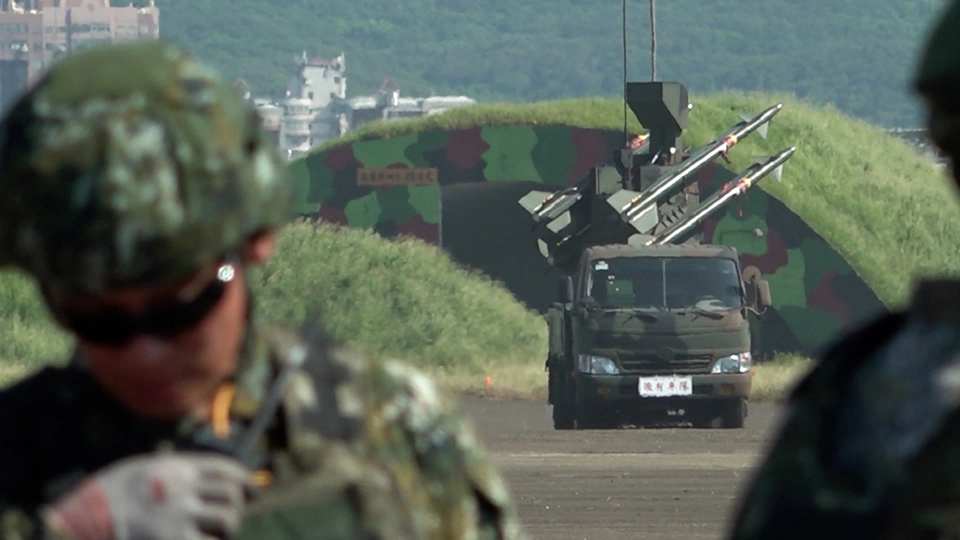 03:19
03:19 00:34
00:34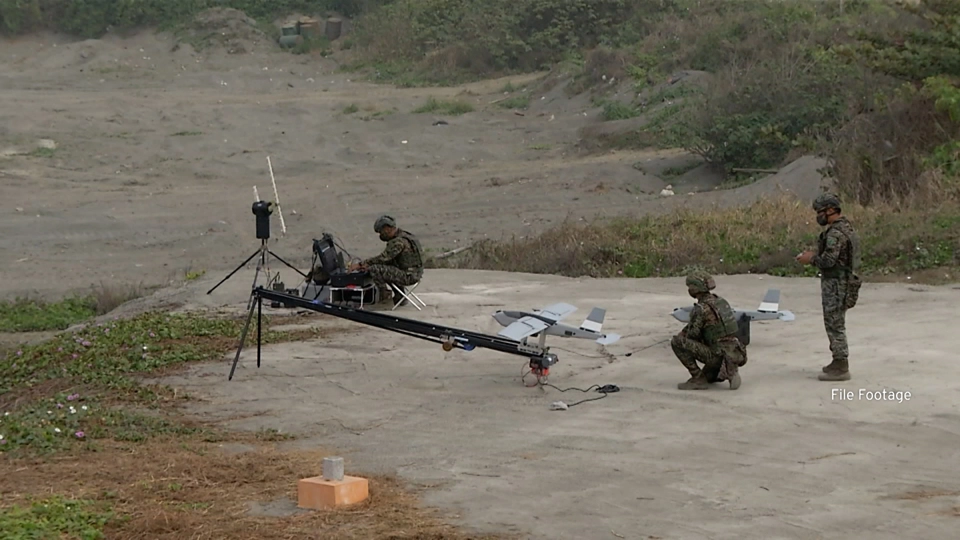 01:56
01:56 00:34
00:34 00:31
00:31 02:38
02:38 07:10
07:10 00:36
00:36 00:35
00:35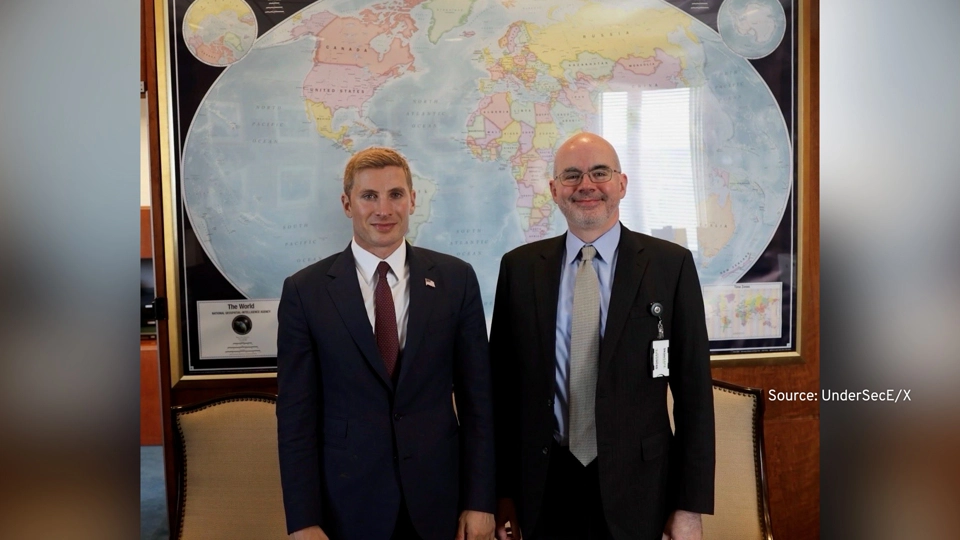 00:31
00:31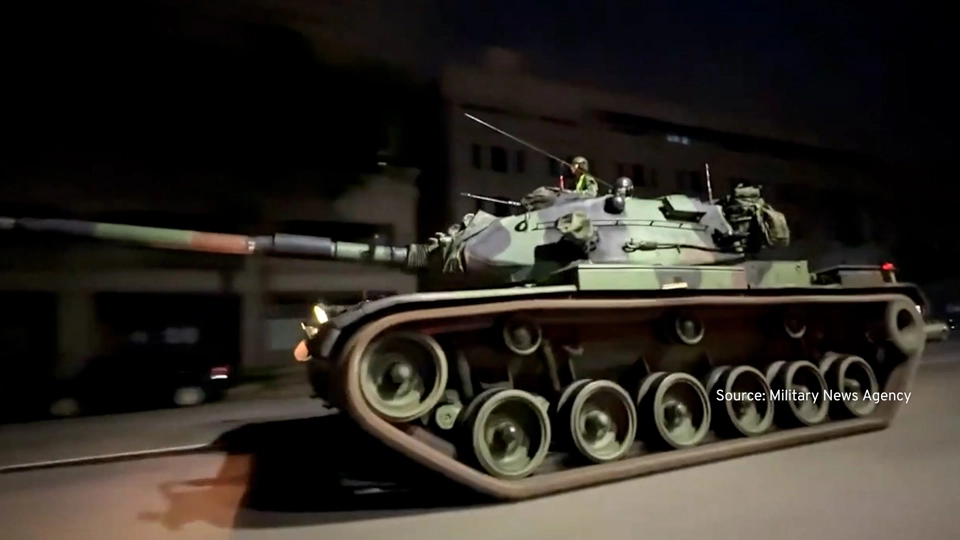 02:36
02:36