China Pressures U.S. Over Taiwan in Trade Talks
REPORTER:
A new report suggests China could be seizing on U.S. President Donald Trump’s push for a trade deal, pressing Washington to go a step further on Taiwan and openly declaring “opposition to Taiwan independence.” Alan Lu reports on Beijing’s latest bid to isolate Taipei.
According to the Wall Street Journal, ongoing trade talks between the Trump administration and China may be furthering goals that Chinese president Xi Jinping has held for years.
The two sides of the Taiwan Strait are one family.
No one can cut off our ties of blood and family.
No one can prevent
the historical trend toward the unification of the motherland.
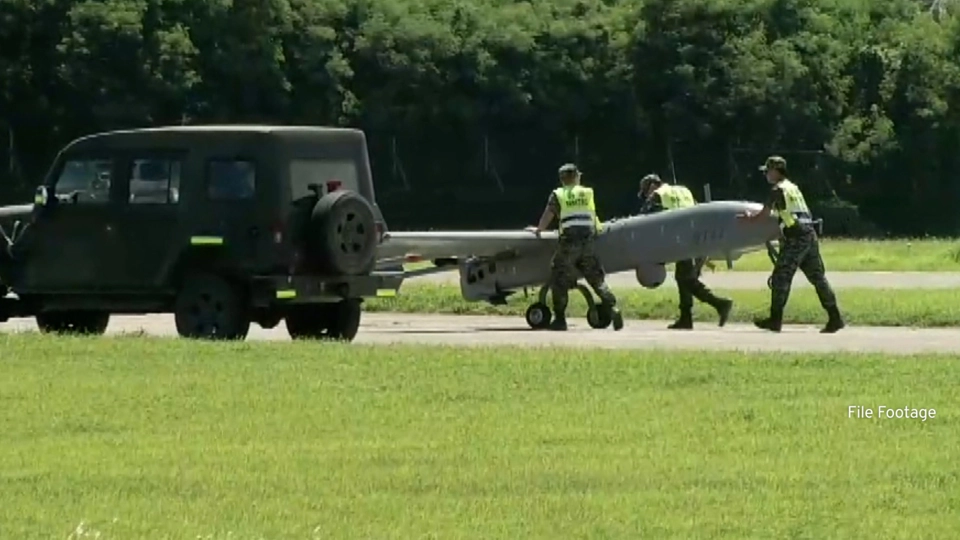
Beijing views Taiwan as its territory and considers questions about the country an “internal matter.” Although it has not ruled out the use of force in taking Taiwan, it has so far taken a softer approach, using legal warfare, working to isolate Taiwan diplomatically, and slowly asserting military pressure.
April 7, 2025
Tensions erupt in the Taiwan Strait. China launches one of its largest military drills in years.
Now, China may actually be leveraging trade talks with the US to further isolate Taiwan.
The Wall Street Journal report says Xi is planning to push US President Donald Trump to adopt a tougher stance on Taiwan as part of its trade deal with the US. It says Xi plans to push Trump to say the U.S. ‘opposes’ Taiwan independence—a break from previous phrasing saying it “does not support” it.
With China and the US imposing steep tariffs on each other, analysts question whether political concessions will be used to break the impasse.
The US has a long-term policy of its Taiwan policy and also its one-China policy. That is, uh, the US will not change its position on Taiwan's legal status and also do not push for any kinds of talks between the two sides of the cross-strait. So, uh, I think that it is very, uh, little there's very little chance that the US will change any kind of this symbolic move.
While it’s unclear whether Trump could be swayed by Chinese pressure, Taiwan’s Foreign ministry says it’s taking the matter seriously.
During the recent UN General Assembly
including the foreign ministers’ meeting of the United States
Japan and South Korea
as well as the joint statement
from the G7 foreign ministers’ meeting
they all reaffirmed support
for maintaining peace and stability across the Taiwan Strait
and their opposition to any unilateral
attempts to change the status quo.
All this comes amid a rocky stretch in U.S.-Taiwan relations.
Earlier this month, the Trump administration reportedly delayed military aid to Taiwan and in July denied President Lai Ching-te a U.S. transit in the country, forcing him to cancel a Latin America trip.
These moves raising questions in Washington and Taipei over whether Trump is prioritizing deal making over support for Taiwan.
President Trump’s way of doing things
has further reinforced the position of many Chinese scholars
who believe that he is still someone
who will continue to pursue deals
and that he is open to negotiations.
Taiwan has faced pressure from China for decades, and with doubts growing about its relationship with its key backer, the U.S., its future looks increasingly uncertain.
What is certain is that – as Washington and Beijing work to resolve their trade impasse – Taiwan will be focused on the terms of that deal.
 04:02
04:02 02:33
02:33 00:44
00:44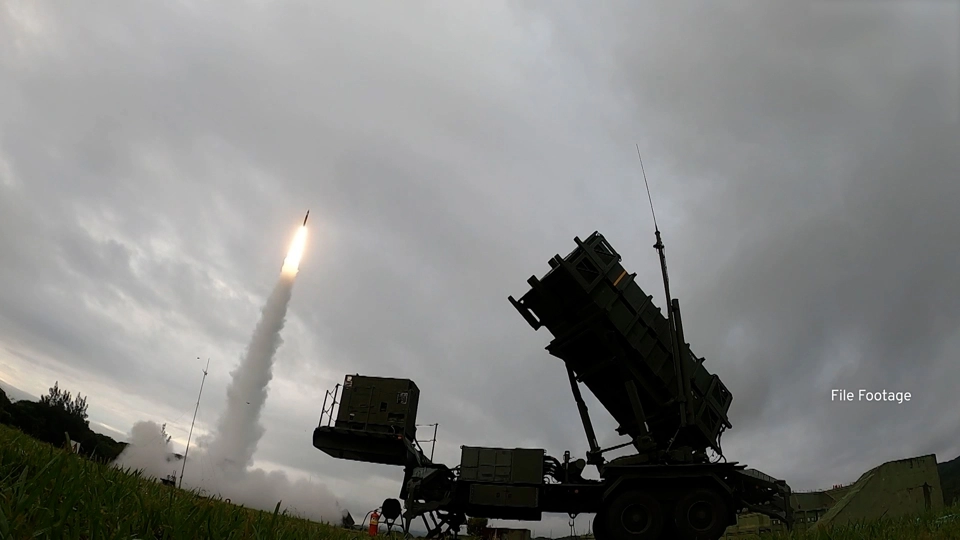 02:56
02:56 04:54
04:54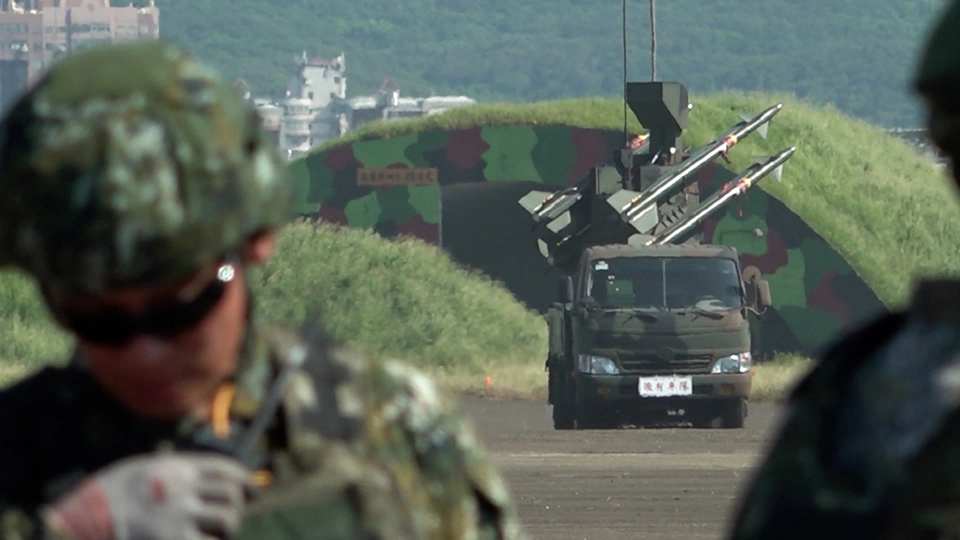 03:19
03:19 00:34
00:34 01:56
01:56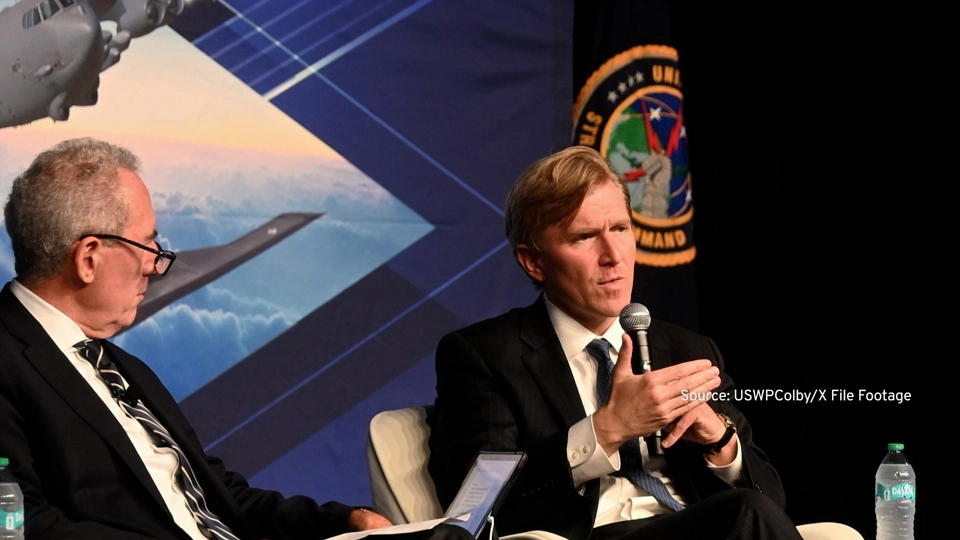 00:34
00:34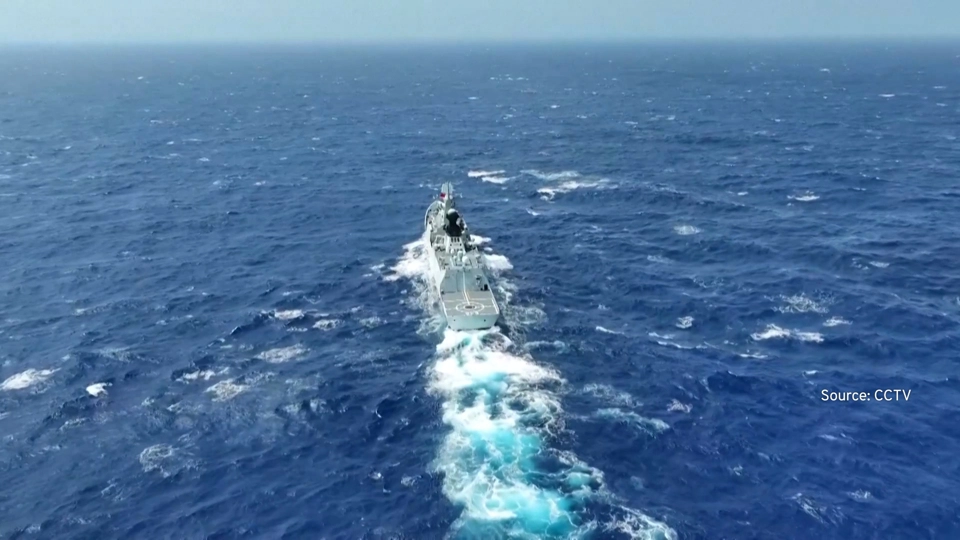 00:31
00:31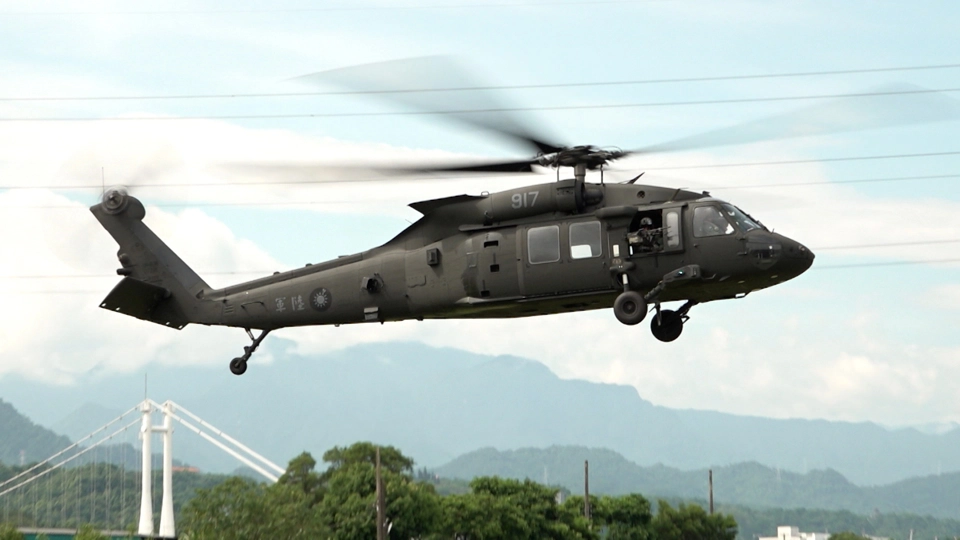 02:38
02:38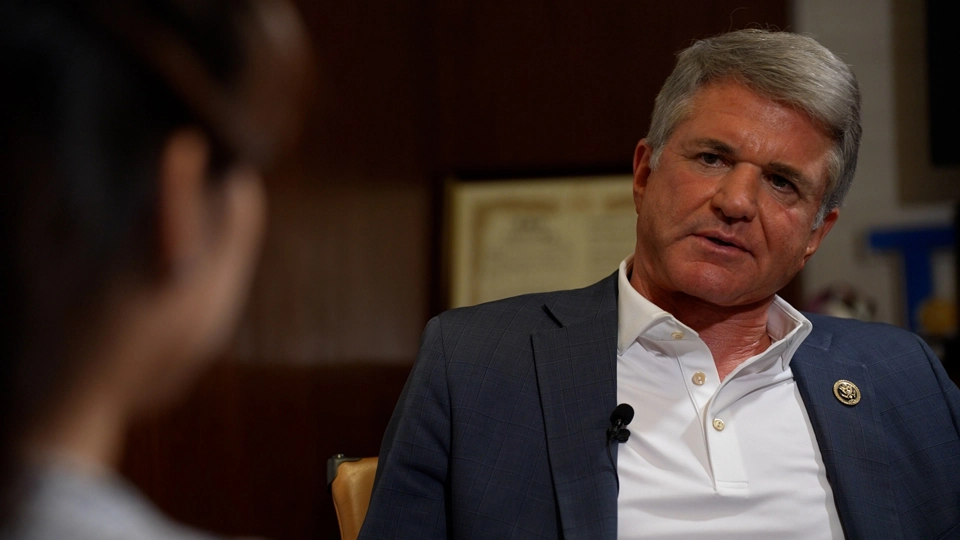 07:10
07:10 00:36
00:36 00:35
00:35 00:31
00:31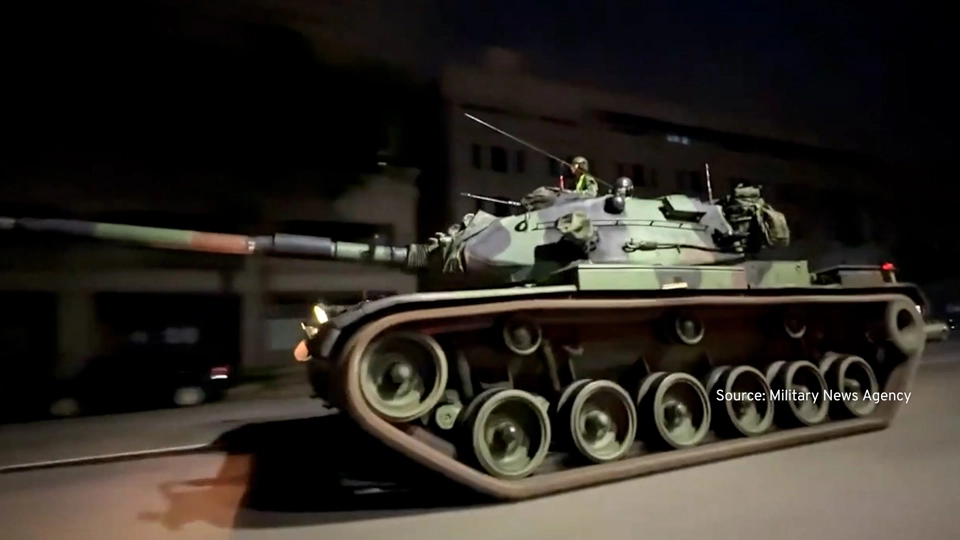 02:36
02:36