US Anti-Drone Capabilities
REPORTER:
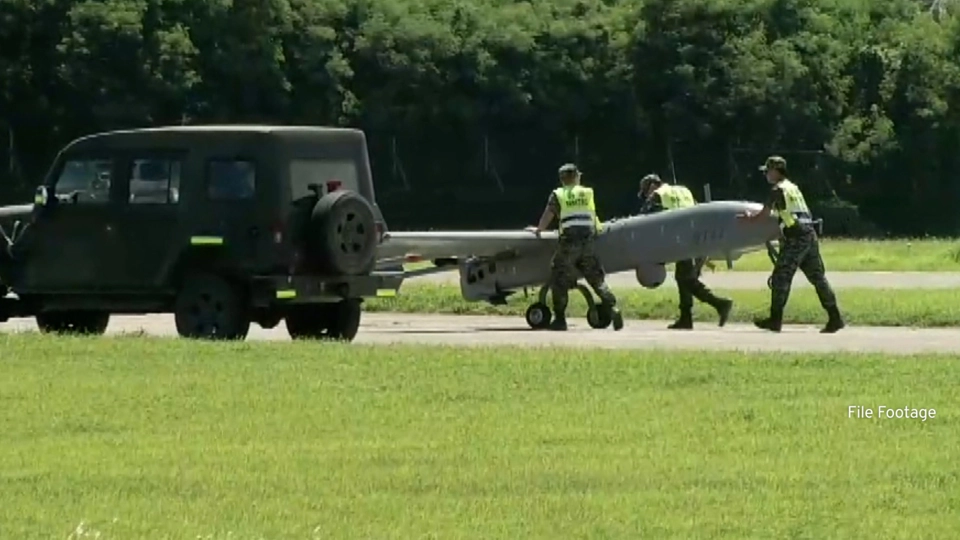
A new think tank report says the US is falling behind in defending against drones. It warns that in a potential conflict with China, mass drone strikes could overwhelm US forces in the Pacific and even tip the balance in a war over Taiwan. Our reporter Alan Lu spoke with Eric Shih, a defense analyst and chief editor of the website, Military and Aviation News Taiwan.
---
Interview with Eric Shih on US Anti-Drone Efforts
REPORTER:
A new report from CNA says the US should be prioritizing counter drone defense capabilities to respond to a Chinese invasion of Taiwan. What's your take on this?
Eric Shih (CHIEF EDITOR, MILITARY AND AVIATION NEWS TAIWAN):
Because the quantity of Chinese drones is too many. So I think the suggestion is it tells us that we should not only focus on how to hard kill and but also need to put our attention on how to make the soft kill in the drones. Something like the ESM, like electronic warfare, like using the jamming or anything to destroy the control line or their linkage of the control. So to Taiwan, if you, if we want to defend su ch a quantity of Chinese drones, I think the hard kill and the soft kill are both the same, both are all the same very important.
REPORTER:
The report also says U.S. forces often use missiles costing hundreds of thousands or even millions of dollars to intercept a drone worth just $50,000. Does the cost imbalance suggest that drones provide attackers with an advantage?
Eric Shih (CHIEF EDITOR, MILITARY AND AVIATION NEWS TAIWAN):
Yes, that is totally right, because the drone is very cheap. But your air defense missile, even a small one or big one, the price of air defense missile are very expensive. So to Taiwan, the best way is is need to develop soft kill capabilities. Soft kill like jamming, like cutting their linkage of the control. Something like this.
REPORTER:
What are the major differences between the US and China in drone developments today?
Eric Shih (CHIEF EDITOR, MILITARY AND AVIATION NEWS TAIWAN):
Right now the problem is the capability of production. US government or US armed forces, they develop drones. They are all focused on military issues or military problems. But Chinese launch or develop their UAVs or drones, might focus on their domestic, civilian requirement, but their domestic civilian requirements market is huge. So, you know, anything, any weapon they're developing or something, they require money. Uh, Chinese market could raise the a sufficient money to Chinese drones. That's a big difference.
REPORTER:
How might U.S. efforts to strengthen its drone defenses help Taiwan?
Eric Shih (CHIEF EDITOR, MILITARY AND AVIATION NEWS TAIWAN):
I think the best way is technology. I mean because hardware is very high prices and high value. You need to buy a lot of missiles or a lot of drones to defend yourself. But if you can successfully developing the soft kill, like jamming, like, you know, how to hire their UAVs or make their control system became useless. That is more easier than hardware.
 04:02
04:02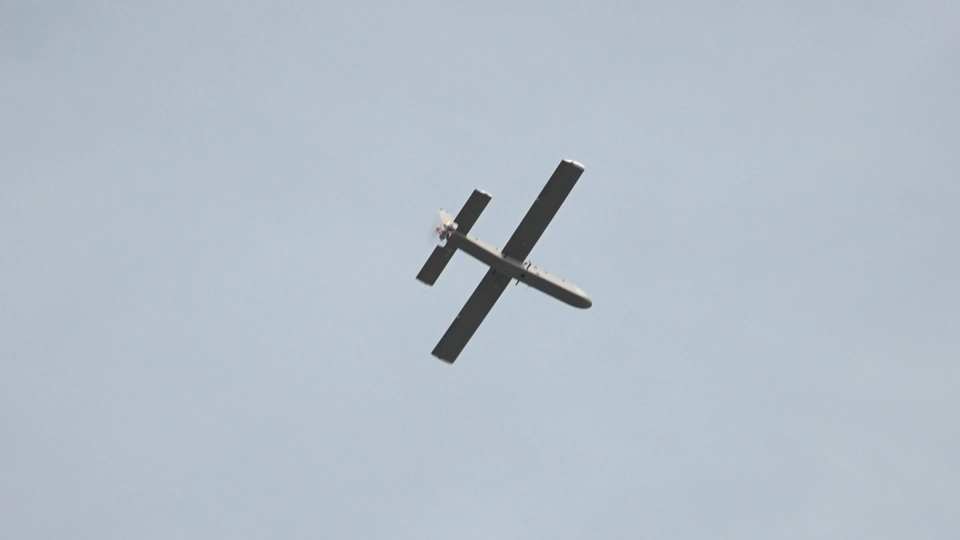 02:33
02:33 00:44
00:44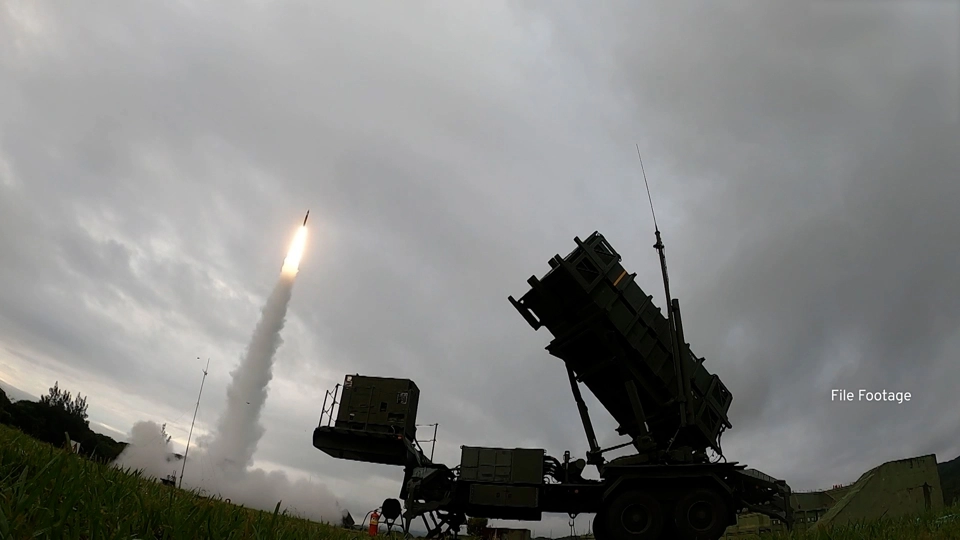 02:56
02:56 04:54
04:54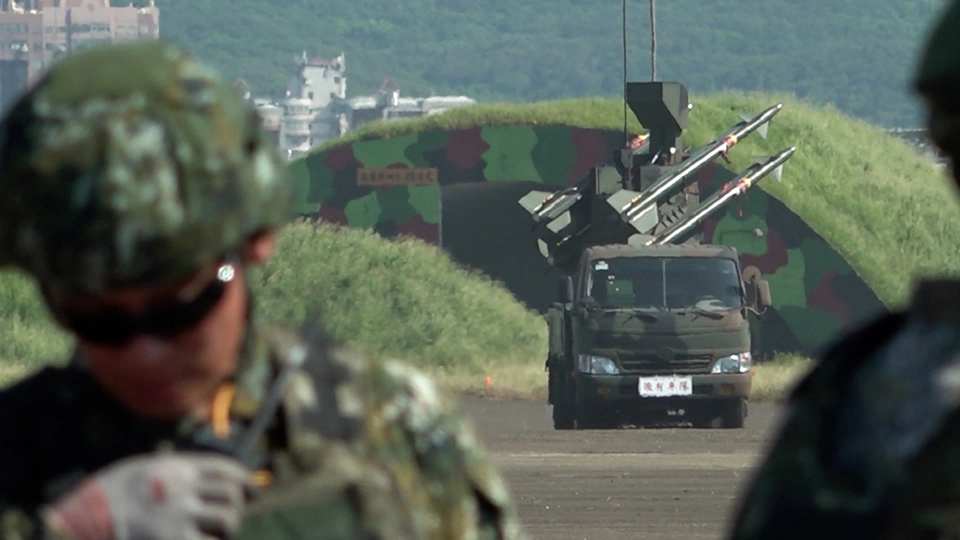 03:19
03:19 00:34
00:34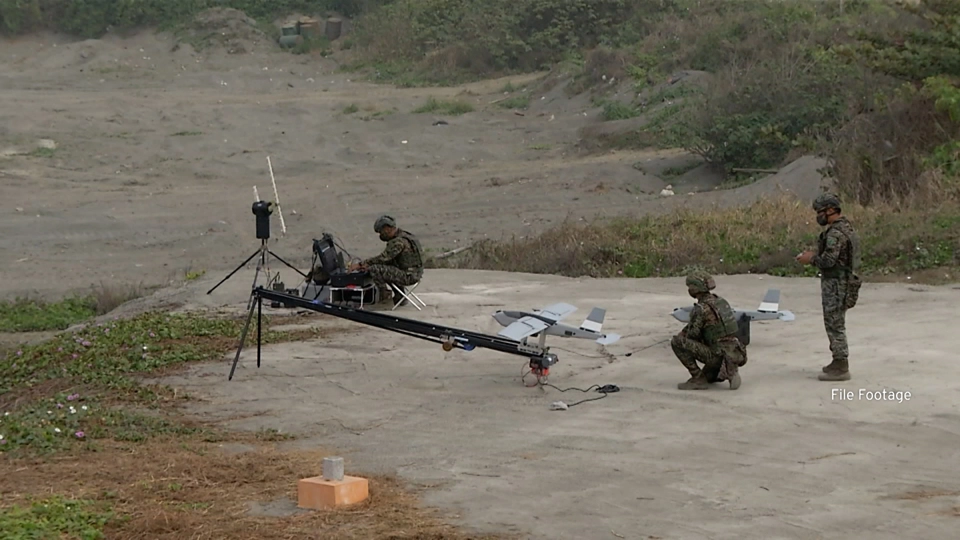 01:56
01:56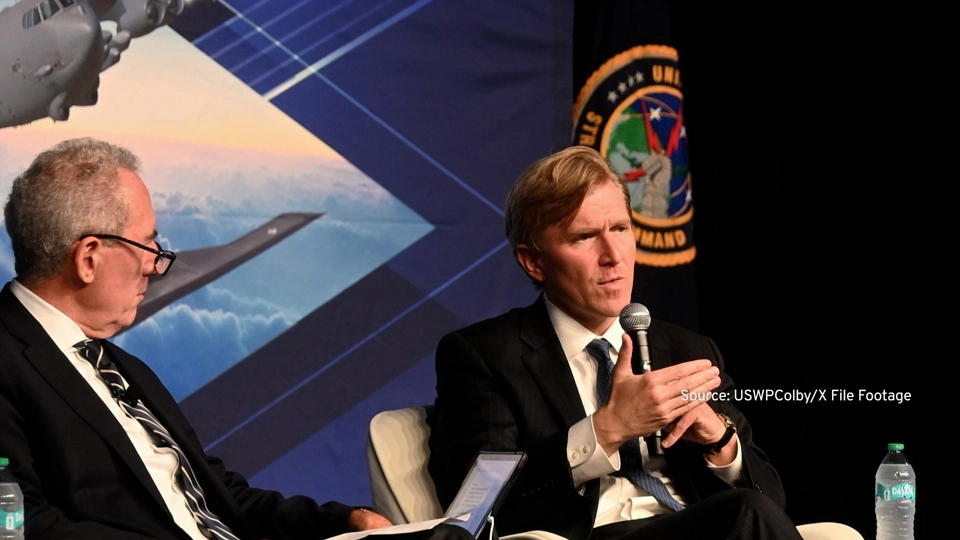 00:34
00:34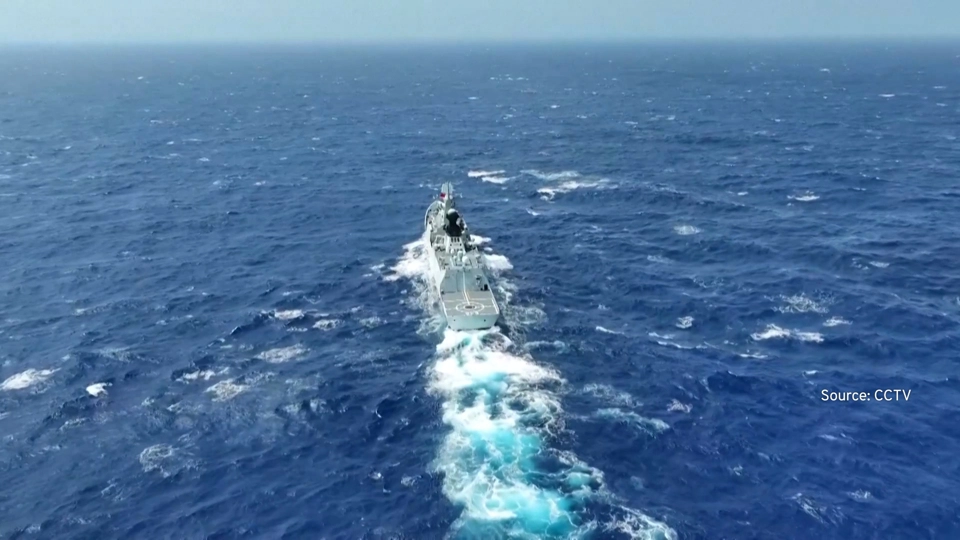 00:31
00:31 02:38
02:38 07:10
07:10 00:36
00:36 00:35
00:35 00:31
00:31 02:36
02:36