China’s Influence Efforts in Taiwan: Behind the Scenes of Propaganda Recruitment
REPORTER:
47 thousand US dollars per month. That’s how much China is offering people to push its propaganda online.
An overseas Chinese military commentator known as “Xu Mou Ren” released an audio recording on YouTube, claiming that another Chinese influencer tried to recruit him last September to carry out propaganda work for the Chinese Communist Party.
The recording reveals why Xu was picked.
Sunset Pirate (CHINESE INFLUENCER):
The instructions are to not stand out too much.
You’re really not that conspicuous but you do have a certain level of influence.
That’s exactly the kind of person the higher-ups like.
REPORTER:
Media in Taiwan often reshares Xu’s content as he comments on international military issues with a pro-Taiwan stance.
His video featuring so-called “Sunset Pirate” shows the Chinese influencer serving as an intermediary for the Chinese military, giving Xu instructions on how to make Chinese propaganda.
The first step: Act neutral when criticizing Taiwan.
Second, use Ukraine as an example to damage Taiwan’s military morale.
Sunset Pirate (CHINESE INFLUENCER):
Ukraine’s shortcomings are Taiwan’s shortcomings.
Taiwan would fare worse because Taiwan has never fought a war.
REPORTER:
Third, be low-key.
Sunset Pirate (CHINESE INFLUENCER):
Make small criticisms that serve [China’s] larger purpose.
You can criticize the Communist Party but only mildly.
Xi is absolutely off-limits.
REPORTER:
And finally, work with pro-Beijing outlets in Taiwan.
One lawmaker says this kind of recruitment shows Beijing’s propaganda machine is getting more sophisticated, so more laws need to be updated to fill the gaps.
Wang Ting-yu (LEGISLATOR, DPP):
The divisions of labor are extremely detailed and very clearly defined.
So how do we verify whether each level is taking orders from the CCP?
This is a very difficult task.
It’s also an area where our laws have many gaps.
REPORTER:
In 2016, China’s United Front Work Department began targeting new-media professionals in its influence campaigns. By 2018 it had officially expanded its focus to include ‘online personalities,’ like influencers such as Xu.
Experts say domestic and overseas influencers are treated differently.
Lee Chih-te (FMR. DIRECTOR, ASIA FACT CHECK LAB):
There’s a distinction between China’s domestic and overseas efforts.
Domestically, their own controls are already enough to ensure that people stay in line with the CCP.
As for overseas they have to rely more on a co-opting or “buying over” approach.
REPORTER:
China’s pressure on Taiwan goes far beyond the military. This influencer offers a glimpse into the subtler side of Beijing’s influence, showing just how far-reaching China’s propaganda really is.
 03:34
03:34 00:31
00:31 00:35
00:35 00:42
00:42 02:54
02:54 00:52
00:52 02:33
02:33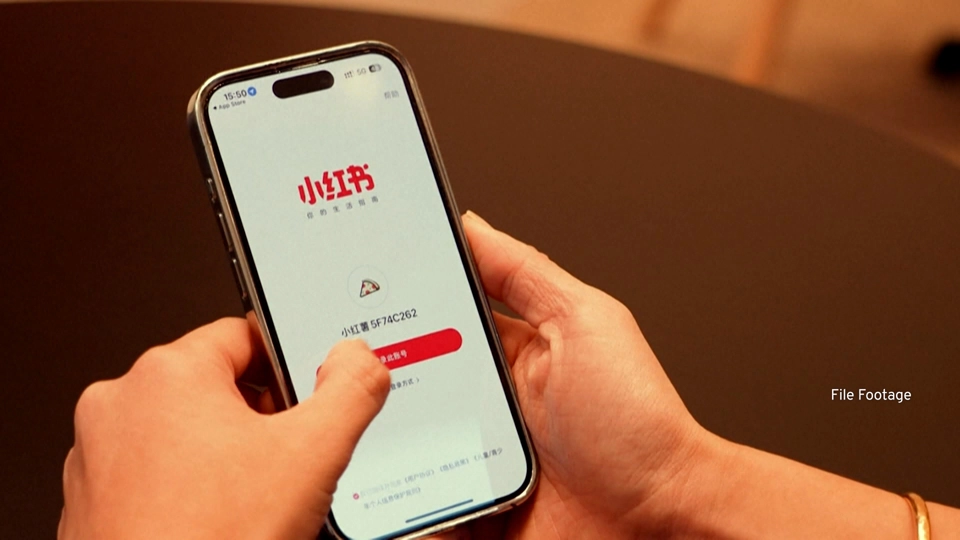 04:03
04:03 03:00
03:00 01:12
01:12 02:27
02:27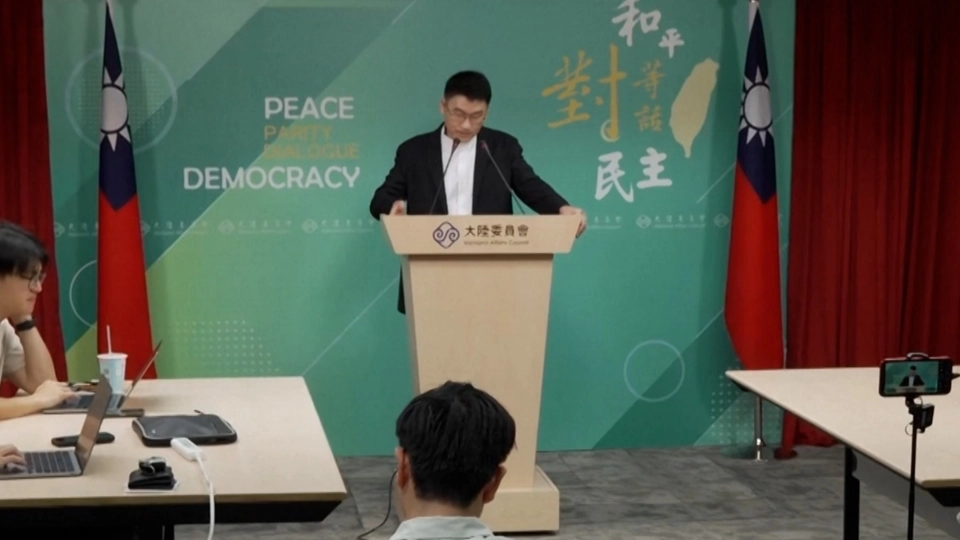 02:16
02:16 00:34
00:34 00:26
00:26 00:34
00:34 03:21
03:21