Risks Associated with Chinese AI Chatbots
REPORTER:
From answering questions to writing code, generative AI is now used in a wide range of fields. But that convenience can come with a price. especially with China-made systems.
Taiwan’s National Security Bureau recently reported that five Chinese AI models, including the popular DeepSeek, contain security risks, including excessive collection of personal data, overreaching app permissions, data transmission and sharing, system information extraction and biometric data access.
Cybersecurity experts say those risks are enough to avoid these models altogether.
It collects user data.
It then uploads that data back to their servers.
This creates a risk of personal information being exposed.
So our first recommendation is people should avoid downloading these apps.
And second, for those who have already downloaded them, you could consider removing them.
The data these platforms are collecting may be information that users would prefer to keep private. They use that data to analyze users’ behaviors and push customized content.
In fact, it can be done over the medium to long term.
I can carry out cognitive monitoring and what’s called penetration surveillance.
I can [use your data] to roughly understand some of your personal preferences, your tendencies, which include many of your political leanings, your sexual preferences, and so on. Even where you live. Basically, all of this can potentially be known.
But beyond the cybersecurity risks, these Chinese AI models have also been found to provide heavily biased or false information, pushing out pro-Beijing narratives on sensitive topics.
REPORTER:
Critics say DeepSeek engages in information control. But just how strict is that control? Let’s test it out.
When I ask it whether Taiwan is a country, I get an immediate reply: “Taiwan is an inalienable part of China.”
Now when I ask it to “Tell me about the Tiananmen Square Massacre,” it says it cannot answer my question.
Experts say AI models give what’s called ‘differentiated’ responses based on a company’s instructions. This is often subtle, mixing half-truths with falsehoods, making it hard for users to tell what’s real and what is not.
In fact, for China-made AI, if you ask some political questions or other relatively sensitive questions, you’ll find the answers are completely wrong. And these are so-called “differentiated” responses.
With concerns growing over the security risks posed by these Chinese-made AI models, Taiwanese authorities are now advising the public to be extra cautious. Officials say they’ll continue to share their experience with international partners and learn from others facing the same challenges.
 03:34
03:34 00:31
00:31 00:35
00:35 00:42
00:42 02:54
02:54 00:52
00:52 02:33
02:33 04:03
04:03 03:00
03:00 01:12
01:12 02:27
02:27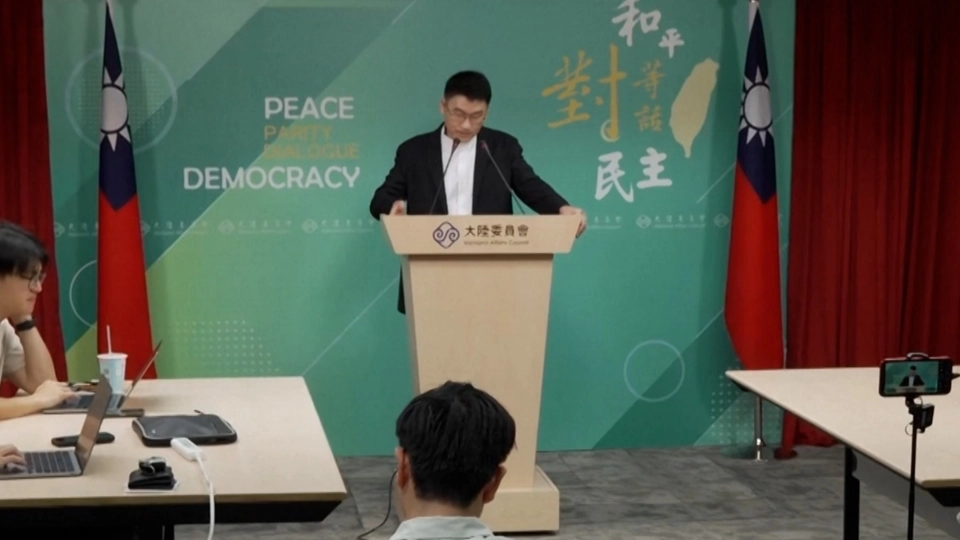 02:16
02:16 00:34
00:34 00:26
00:26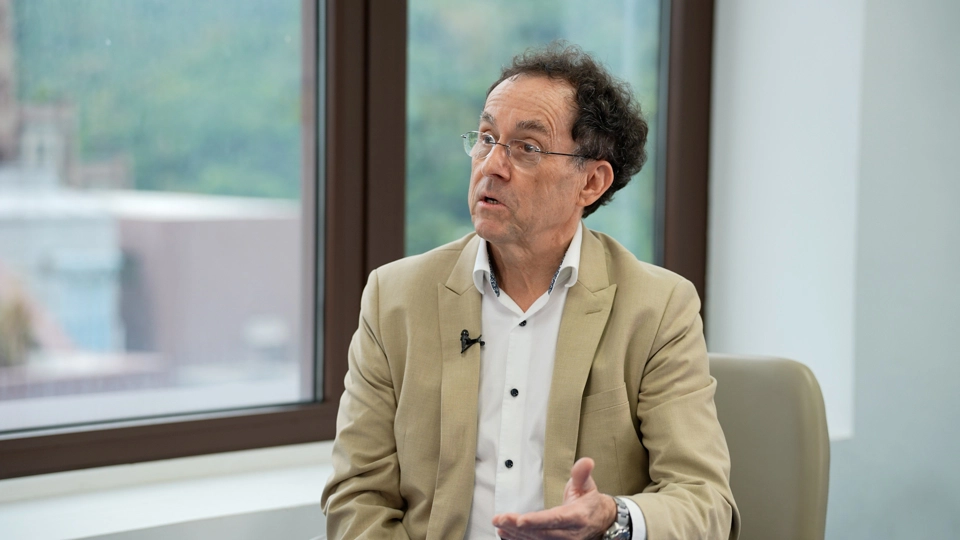 00:34
00:34 03:21
03:21