Title: Taiwan’s Leaders Call for Nationwide Resilience to Safeguard Security
---
Taiwan’s leaders say the country must strengthen resilience in all areas of society. Cadence Quaranta reports.
REPORTER:
In the face of geopolitical uncertainty, gray zone threats from China, as well as other threats like climate change, and changes to international trade, Taiwan’s leaders are gathering to discuss how to protect the nation’s security.
REPORTER:
President Lai Ching-te says Taiwan needs to prioritize resilience in a number of sectors.
Lai Ching-te (TAIWAN PRESIDENT):
At this time national security is no longer only about military defense. It also includes many other aspects like communication [security], economic [security], energy [security] and public safety. As an important member of the democratic world Taiwan needs to increase its overall resilience which is the only way to ensure national security and sustainable development.
REPORTER:
Lai also said Taiwan needs to prioritize securing the semiconductor supply chain, which Taiwan plays a central role in, as well as digital and communications security. He mentioned Taiwan’s undersea cables, which connect the country to the rest of the world and have recently been damaged with some experts warning of deliberate sabotage by China.
Securing Taiwan’s industries was also on the agenda: with the economy minister saying the country needs to make sure the AI industry has enough talent.
Kung Ming-hsin (ECONOMY MINISTER):
Because AI is a top priority [we must figure out] how to help more people understand AI, including students or [people] from other sectors. We need to do this through continuous training or by strengthening our [education system] to be able to make our talent more abundant. And, if there isn’t enough Taiwanese talent we can become a more open [country] by allowing in foreign students and talent.
REPORTER:
Both leaders also talked about how to help small and medium-sized businesses cope with U.S. tariffs.
REPORTER:
With the backdrop of global uncertainties, leaders here are pushing for an expanded sense of security – one that includes not just military readiness, but also increased resilience in all areas of society.
Klein Wang and Cadence Quaranta for TaiwanPlus.
 03:34
03:34 00:31
00:31 00:35
00:35 00:42
00:42 02:54
02:54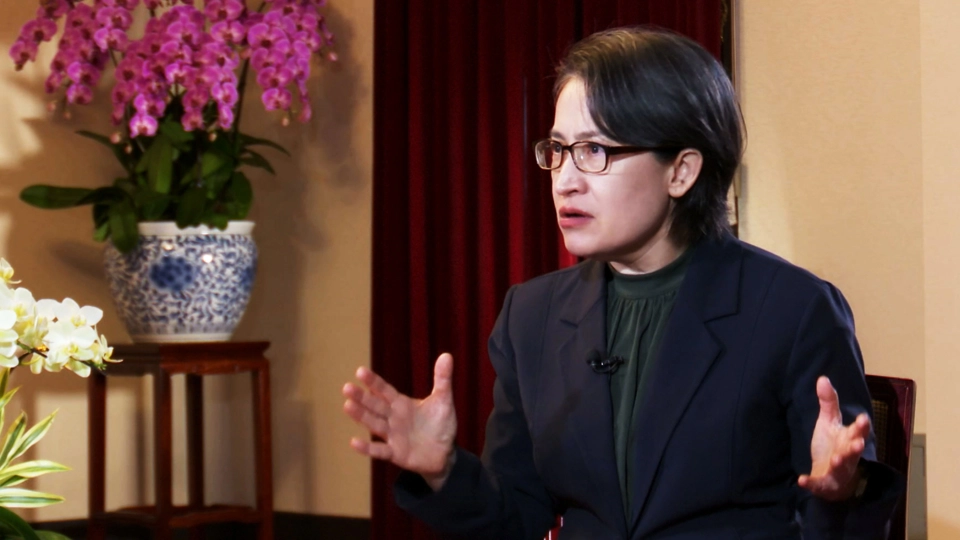 00:52
00:52 02:33
02:33 04:03
04:03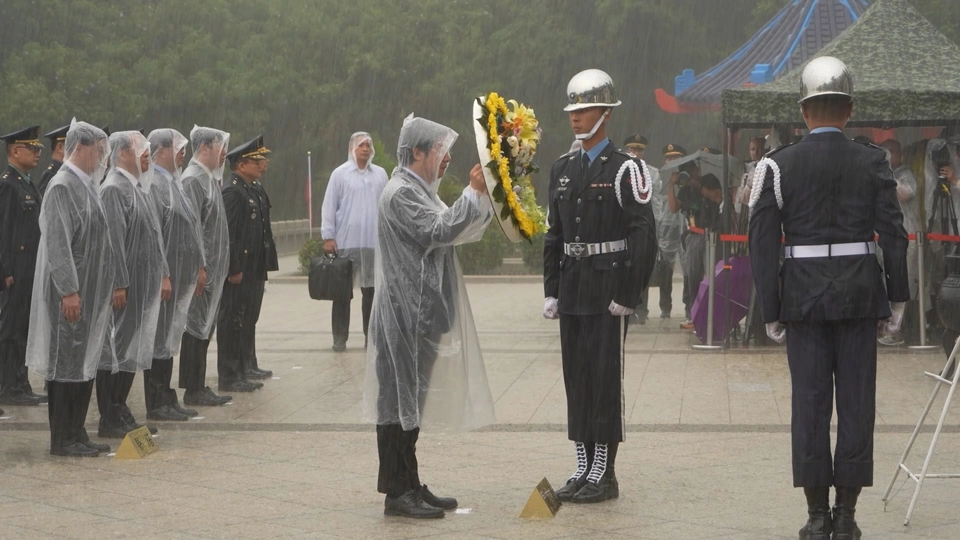 03:00
03:00 01:12
01:12 02:27
02:27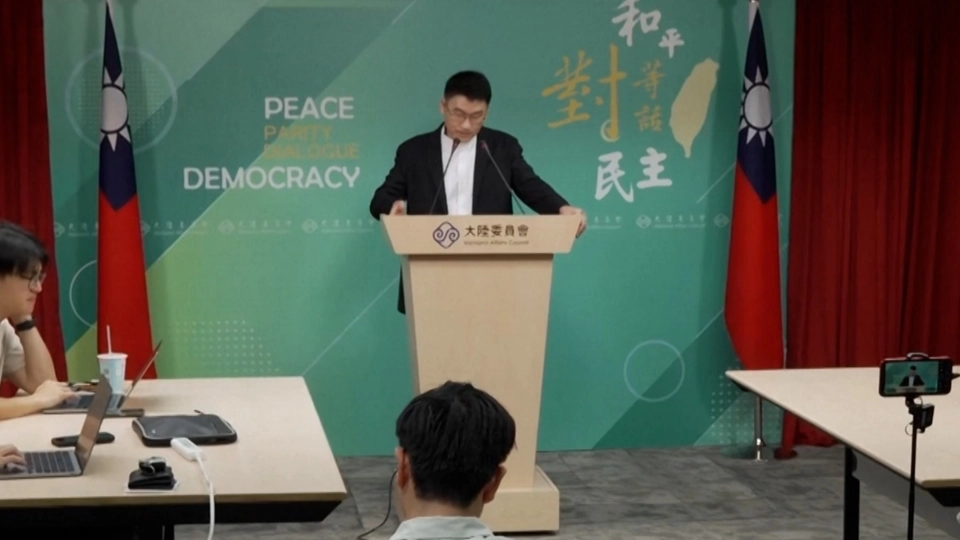 02:16
02:16 00:34
00:34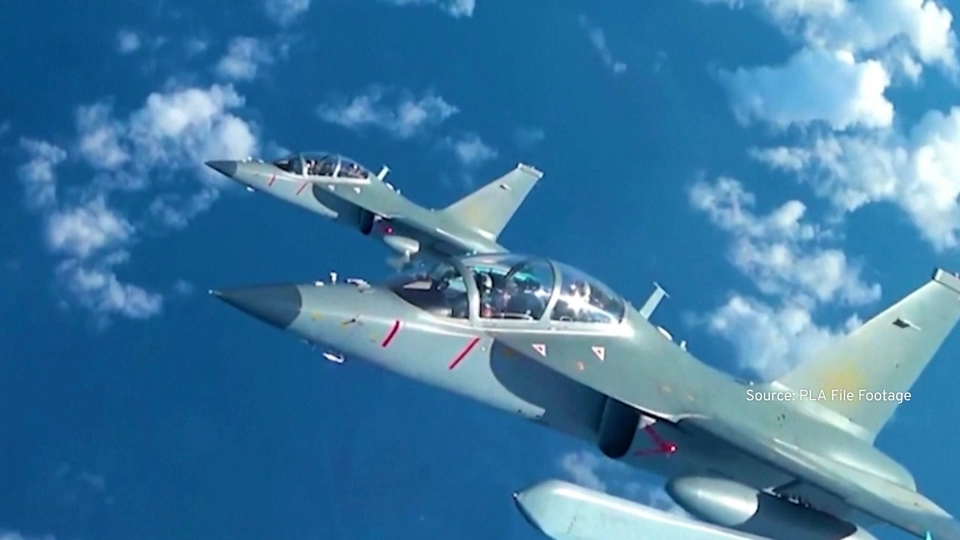 00:26
00:26 00:34
00:34 03:21
03:21