Election Interference Ramps Up
REPORTER:
Taiwan's 2026 local elections are about more than rallies and political promises. The battle for votes extends well beyond the campaign trail.
Allegations of vote-buying. Deepfake videos targeting candidates. And a party leader detained over allegations of taking direction and funding from Beijing.
For the officials and investigators, protecting the vote means tackling threats both online and offline.
China's alleged influence operations are a major concern, particularly across social media platforms.
Summer Chen (FOUNDER, FACTLINK):
In the video files and audio recordings we investigated recently we found that several of the accounts involved were connected to China. We cannot directly prove that the material was produced or made in China. But we can see that the key accounts responsible for spreading it were Chinese accounts.
REPORTER:
TaiwanPlus reviewed research by Taiwan-based NGO DoubleThink Lab, which identified hundreds of suspicious accounts posing as Taiwan-based users but believed to be operating from China.
Researchers found similar posting patterns and pro-Beijing messaging, suggesting coordinated activity, though they could not confirm the accounts' origins.
One analyst from the Lab said advances in AI are making fake accounts harder to identify. Many have since been taken down.
REPORTER:
And Threads is one platform where this kind of content spreads. Taiwanese users account for 21% of its global users and traffic, making Taiwan one of the platform's biggest markets. For many, especially younger voters, it's a go-to social media app.
And during the election period, feeds are filled with AI-generated videos of candidates singing K-pop, dancing, or starring in movie scenes.
Some are just for laughs. But it can quickly take a more malicious turn: with deepfakes mocking candidates, damaging their reputations, and ultimately swaying voters.
REPORTER:
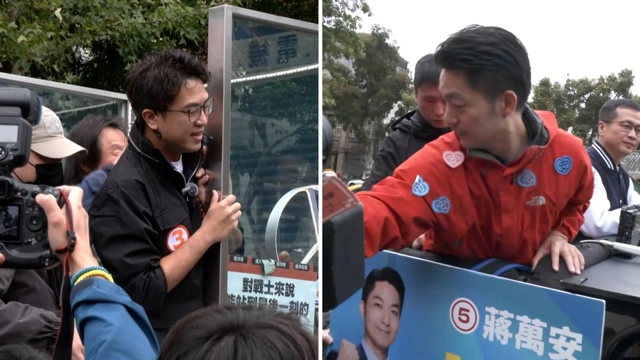
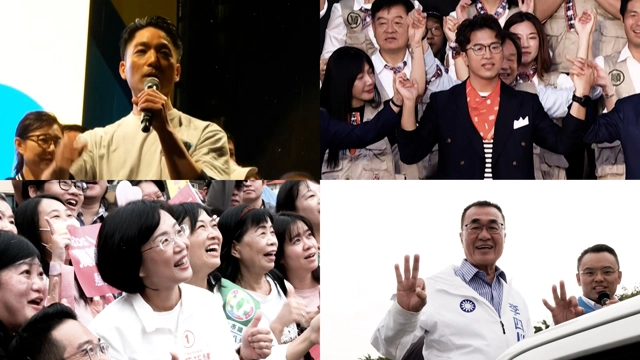
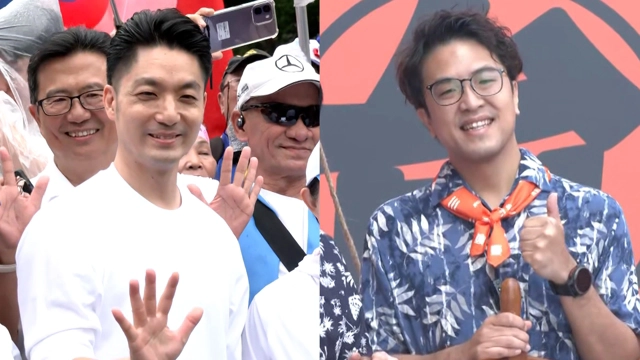
One of the most closely watched contests is the Taipei mayoral race, with the incumbent Chiang Wan-an of the Kuomintang facing off against the ruling Democratic Progressive Party’s lawmaker Puma Shen.
REPORTER:
An edited movie poster circulating online depicts Chiang pointing a gun at Shen and two other DPP politicians.
Titled "Wan-an Eliminates the Three Evils," the image prompted Chiang's campaign to file a report with Taipei police.
The campaign said it had never authorized the image. The account that shared it listed its location as China.
REPORTER:
Shen, who has been blacklisted by Beijing and labeled an "independence activist," has also been targeted by manipulated content.
An audio recording falsely claimed to capture him admitting to taking bribes.
Another video used footage of a Chinese influencer smoking, with Shen's face digitally added.
His campaign has also reported cyberattacks, while authorities are looking into allegations of surveillance involving Shen and his family.
Experts say advances in AI have made this kind of manipulated content easier to create and spread.
Hsu Chih-chung (PROFESSOR, NAT’L YANG MING CHIAO TUNG UNIVERSITY):
It’s far easier than in the past [to make deepfakes] so it’s now very easy to obtain this kind of disinformation. When you combine that with the ability to spread it rapidly the overall impact is amplified. So, I suspect the situation is likely more intense now than it was a few years ago.
REPORTER:
The concerns extend beyond social media.
Taiwan's National Security Bureau chief in October said Beijing's interference tactics have become increasingly sophisticated. He reported nearly 100 cases of interference.
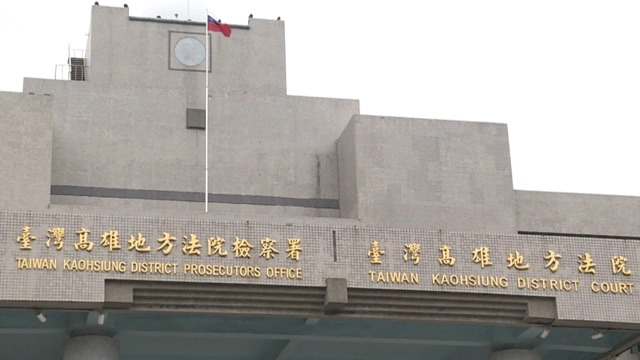
During the 2024 presidential and legislative elections, 71 cases of alleged Anti-Infiltration Act violations resulted in indictments.
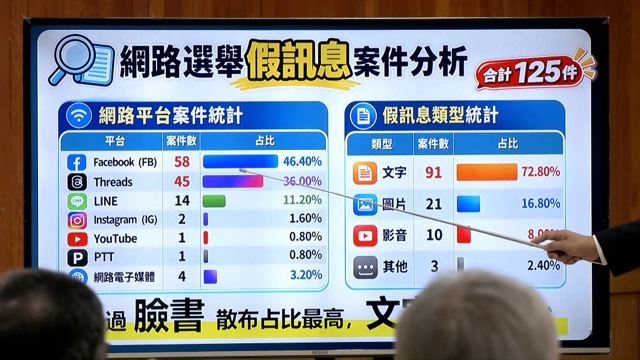
Don't let false information lead you astray.
Beware of false or misleading information regarding elections
Verify information before forwarding!
REPORTER:
Taiwan's authorities are stepping up efforts to counter the threat.
The Central Election Commission has launched public service announcements warning voters about AI-generated content, while police have established a reporting mechanism for candidates to flag manipulated material and request its removal.
A task force has also been set up to strengthen electoral security.
The alleged interference takes many forms. It includes: everything from illegal funding of candidates, subsidized travel to and from China, as well as funding for Taiwanese in China to return home to vote, disinformation on social media and targeted propaganda, and illegal gambling operations.
REPORTER:
One of the latest cases involves the head of the Taiwan People's Communist Party, who was detained over suspected funding and direction from Beijing, a case that highlights concerns election interference goes beyond online disinformation.
Taiwan's Cabinet says it’s working to prevent people collaborating with hostile foreign forces.
Michelle Lee (CABINET SPOKESPERSON):
We are considering amendments to the Anti-Infiltration Act to strengthen its provisions. Once the amendment process is complete we will submit the draft to the legislature as soon as possible.
REPORTER:
Election officials remain confident that voting will proceed normally.
But deepfakes, online disinformation, and suspected political interference pose challenges to Taiwan's democracy.
And with AI making disinformation easier to create and spread, the threat extends beyond election day.
 02:07
 04:59
 02:35
 04:58
 04:15
 03:13
 00:55
 05:17
 02:46
 00:59
 02:13
 03:59
 03:18
 02:03
 02:03
 01:38