Chinese Military Aircraft in Taiwan’s ADIZ: What’s at Stake?
REPORTER:
Chinese military aircraft have been repeatedly intruding into Taiwan’s ADIZ in recent weeks. Each time, they’re getting closer. What’s going on?
A Taiwanese drama that simulates a cross-strait war vividly depicts what it might look like before a conflict breaks out. First, Chinese military aircraft swarm Taiwan’s air defense identification zone, or ADIZ.
But this isn’t just fiction — it’s what Taiwan faces every day.
Starting in 2016, Taiwan’s government began releasing data on Chinese aircraft and naval activity around the country. And in 2020, the defense ministry started publishing daily updates on that activity.
That’s because nearly every day, China’s military – the People’s Liberation Army -- sent aircraft and vessels into Taiwan’s ADIZ.
Taiwan has logged more than 4,000 Chinese military aircraft entering its ADIZ in the first 9 months of 2025 — hundreds more than during the same period last year.
Tristan Tang (ASSOCIATE FELLOW, SECURE TAIWAN ASSOCIATE CORPORATION):
Primary driver behind this year's record activity is likely the PLA’s need to intensify training related to Taiwan's contingency.
REPORTER:
Since Lai Ching-te became Taiwan’s president in May 2024, there have been on average more than 300 Chinese sorties every month crossing the median line of Taiwan’s ADIZ.
Experts say the Chinese military has shown an ability to sustain such a level of activity against Taiwan, particularly in logistics and maintenance, and it has a lot to do with the plummeting trust across the Taiwan Strait.
Tristan Tang (ASSOCIATE FELLOW, SECURE TAIWAN ASSOCIATE CORPORATION):
Beijing’s perception of President Lai Ching-te's pro-independence stance, um, has likely led XI Jinping to abandon expectations of probably improved cross-strait relations, or to deliberately apply continuous coercive measures against Taiwan.
REPORTER:
But what exactly is an ADIZ? And why does it matter for Taiwan’s defense?
Generally speaking, an ADIZ is an area of airspace established for national security and air defense purposes.
The first one was created by the US in the early 1950s, when it set up a joint zone with Canada to guard against potential Soviet bomber threats to North America.
The main reason is: aircraft move quickly, and waiting until a hostile plane actually enters a country’s official airspace could leave too little time to respond.
To address the risk, countries extended a buffer zone beyond their national airspace, and that’s an ADIZ.
Any aircraft passing through this zone should identify itself so that the country can determine whether it poses a threat.
But an ADIZ carries no legal authority — it’s meant to monitor and identify aircraft without interception.
Sung Wen-hsi (FMR. AIR BATTLE CONTROL DIRECTOR):
When we’re talking about this area
it belongs to international airspace.
That means anyone can freely fly here.
It’s the right to freedom of navigation.
So in this area
all we can do is issue warnings or advisories
asking them to leave.
REPORTER:
Taiwan’s ADIZ, established in 1952 with the help of the US, covers an area of over 150 thousand square nautical miles.
Initially, the zone’s boundaries included parts of China’s airspace. After the addition of the median line in the Taiwan Strait in 1955, Taiwan’s main area of surveillance and defense has been to the east of that line.
But even if Chinese aircraft cross the median line, Taiwan does not have law enforcement authority there — it can only monitor the intruding aircraft and may intercept only if they enter national airspace.
Ben Lewis (FOUNDER, PLA TRACKER):
While the originally drawn uh, air defense identification zone covers a large portion of mainland China, uh, today, Taiwan's ADIZ functionally is only enforced east and south of the median line of the Taiwan Strait.
REPORTER:
In August 2022, then US-House Speaker Nancy Pelosi visited Taiwan, marking the highest-level US visit to the country in many years. China responded with live-fire drills.
Nearly 450 Chinese aircraft flew into Taiwan’s ADIZ in August 2022 alone, which remains the highest monthly total on record.
Another spike in ADIZ incursions happened in April 2023, after then-President Tsai Ing-wen met then-U.S. House Speaker Kevin McCarthy in California. That month alone, Taiwan detected 259 Chinese military aircraft entering its ADIZ.
All these have raised a critical question: with this large amount of military activity, would an ADIZ incursion ever turn into a war?
Ben Lewis (FOUNDER, PLA TRACKER):
I don't think that ADIZ incursions alone are, uh, a road to a conflict.
I do think that, generally speaking, uh, ADIZ incursions have created a very good cover for the PLA to have a sustained presence around Taiwan that I think has muddied the waters in terms of what does, for example, a pre-blockade or pre-invasion posture look like.
REPORTER:
But some hold a more pessimistic view.
Sung Wen-hsi (FMR. AIR BATTLE CONTROL DIRECTOR):
We’ve actually been warning that the PLA
could turn drills into real combat.
Because if you look back
after Pelosi’s visit to Taiwan
all posed a significant threat to us.
Through these exercises
China showed it could effectively
block all of Taiwan’s sea and air routes.
And once the blockade is in place
it could launch attacks from multiple directions.
REPORTER:
As the PLA continues to modernize, its incursions around Taiwan are not just limited to traditional warplanes. More and more unmanned aerial vehicles are also being deployed.
In 2024, PLA drones circled Taiwan three times, all in the month of August. But so far in 2025, there have already been eight such instances spread across multiple months — showing not just an increase in number, but a clear move toward normalization.
Ben Lewis (FOUNDER, PLA TRACKER):
We did see a shift. We saw increased usage of UAVs. Generally speaking, UAVs were about 10% of the aircraft tracked in each month.
REPORTER:
The trend, some experts say, shows the PLA is putting more emphasis on time-sensitive targets — mobile threats that pose an immediate danger. That requires the military to respond instantly and seize brief windows of opportunity on the battlefield, using tools like UAVs.
Tristan Tang (ASSOCIATE FELLOW, SECURE TAIWAN ASSOCIATE CORPORATION):
By employing long endurance drones or UAVs, which are cheaper and risk free compared to manned aircraft, the PLA can enhance its real time surveillance and targeting capabilities while minimizing operational costs and personal risk.
REPORTER:
But Taiwan is not sitting idly by.
One expert says Taiwan’s monitoring capability in its ADIZ is strong overall. And in terms of radar coverage density, Taiwan could be among the best in the world.
Sung Wen-hsi (FMR. AIR BATTLE CONTROL DIRECTOR):
Our radar coverage density
in fact, on a global scale
Taiwan really ranks among the best.
Back then I watched our specialists
track all PLA aircraft movements using those radars
and they had a great handle on the situation.
REPORTER:
But simply monitoring isn’t enough. Taiwan can also be more proactive in showcasing deterrence.
Su Tzu-yun (DEFENSE ANALYST, INDSR):
Taiwan can also take the initiative
by sending more military aircraft on patrols
to expand its operational space.
That’s a reasonable way to extend its reach.
REPORTER:
Lastly, international cooperation may help to level the playing field to some degree – or cool down the temperature.
Ben Lewis (FOUNDER, PLA TRACKER):
I think, you know, in terms of what Washington can do, I think would be to support Taiwan in acquiring capabilities that would allow them to maintain a good picture of the air domain around Taiwan without having to scramble their own aircraft constantly.
I also think that the United States could, um, you know, rhetorically push back on some of the major incursions that go on. Um, they have in the past.
REPORTER:
As China steps up military pressure in Taiwan’s ADIZ, how Taiwan responds is more critical than ever. From boosting round-the-clock surveillance to deepening cooperation with international partners, Taipei must now move beyond concepts and turn plans into action.
 01:03
01:03 01:34
01:34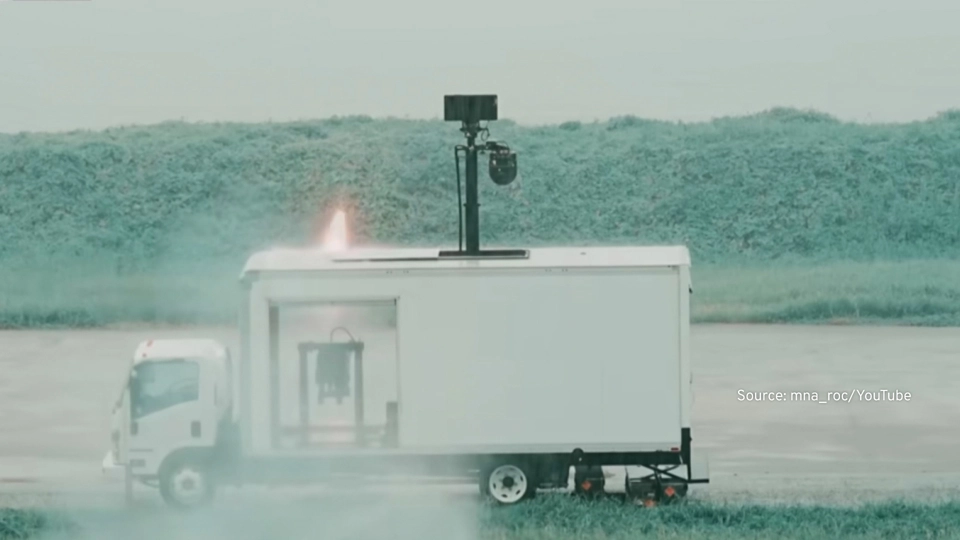 00:51
00:51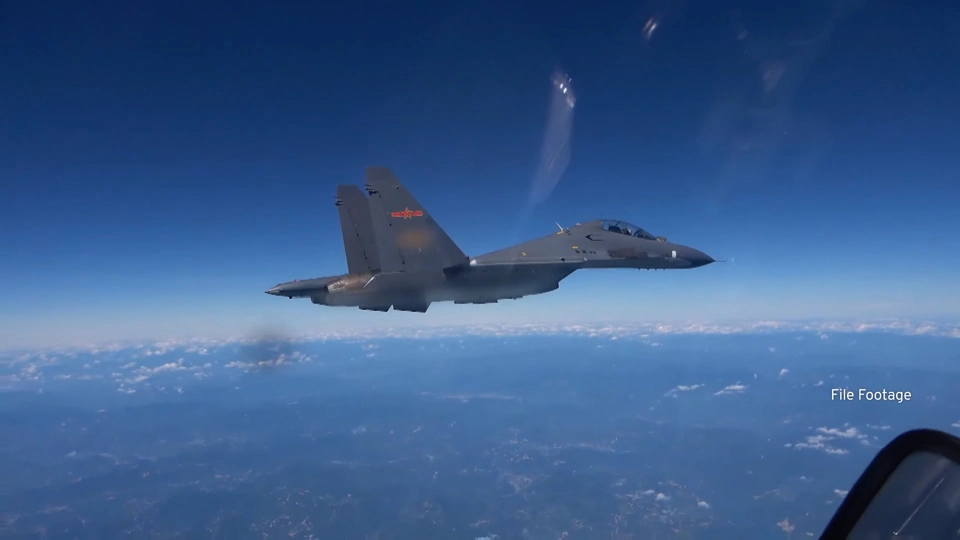 00:29
00:29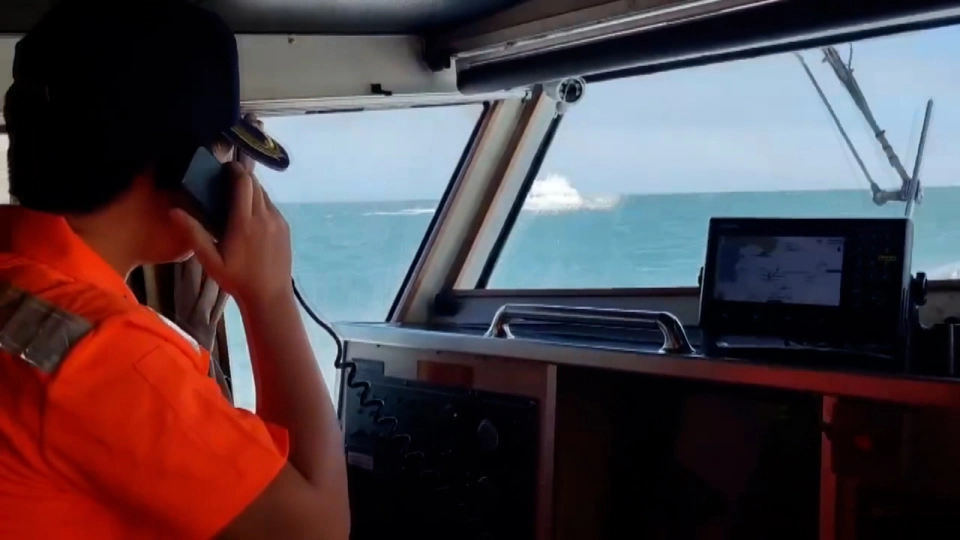 00:39
00:39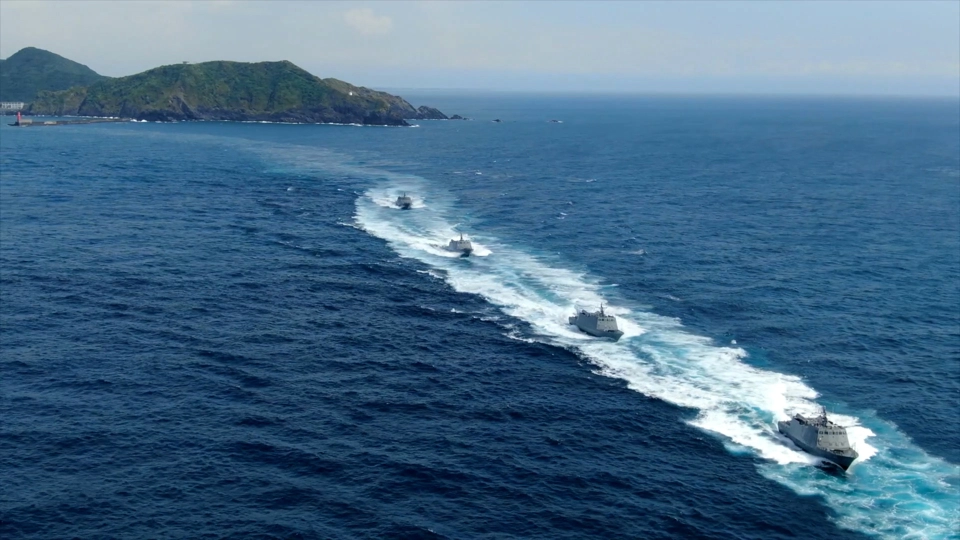 02:47
02:47 00:30
00:30 01:18
01:18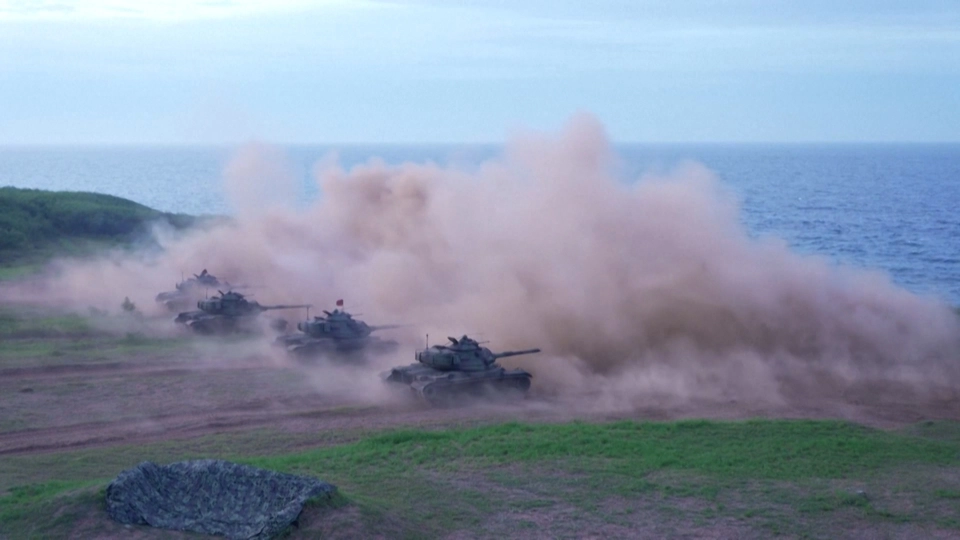 03:49
03:49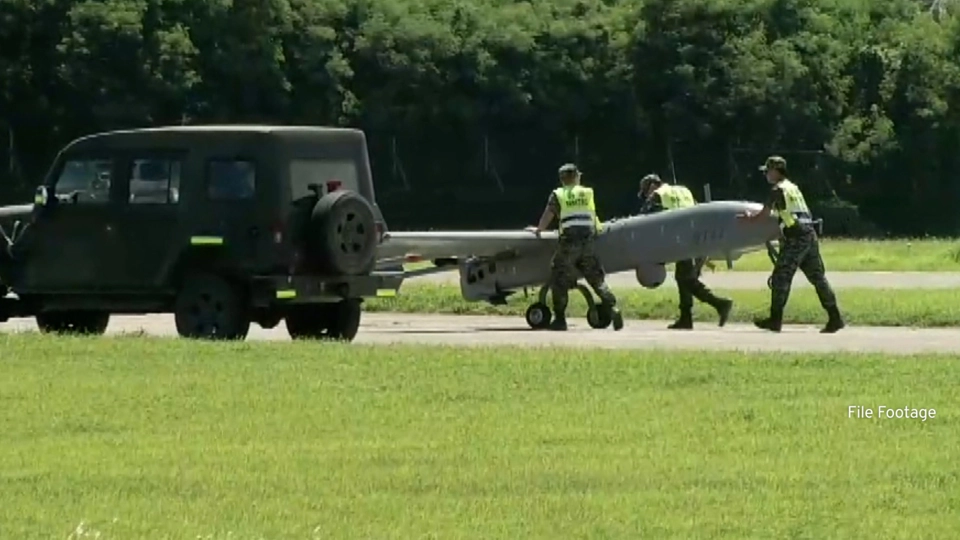 04:02
04:02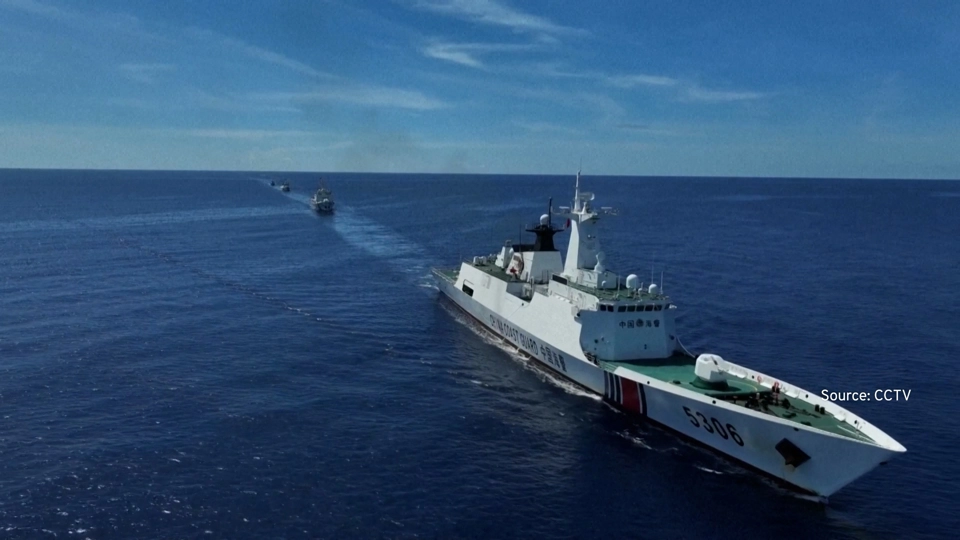 00:31
00:31 02:54
02:54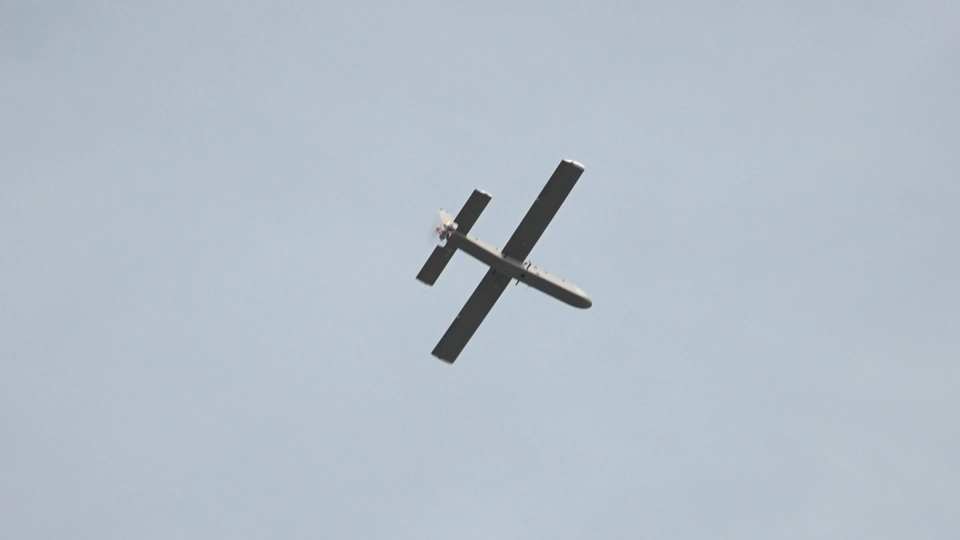 02:33
02:33 04:03
04:03 03:00
03:00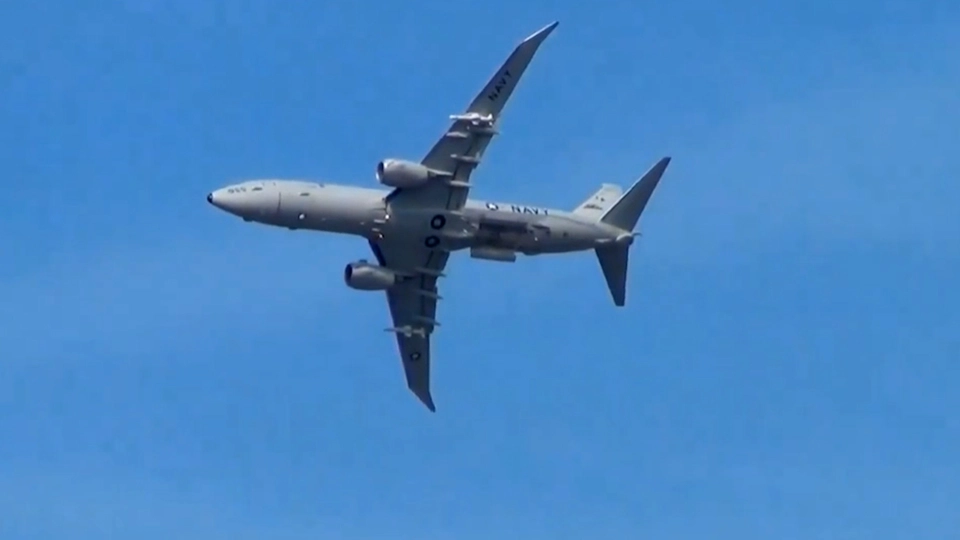 00:26
00:26