* This AI-generated summary is based on reporting by TaiwanPlus and verified by newsroom fact checkers. Learn more about our policy here.
Strengthening Ties: The U.S.-Taiwan Defense Partnership
As global tensions rise, particularly in the Indo-Pacific region, the United States is reevaluating its defense strategies and partnerships. A significant development is the U.S.-Taiwan Defense Industry Conference, which signals a shift towards collaborative military production aimed at countering threats from China. TaiwanPlus delves into the implications of the new Partnership on Indo-Pacific Industrial Resilience (PIPIR) initiative and what it means for Taiwan's defense capabilities.
U.S. Defense Leadership and Challenges
The United States has long been a global leader in weapons production, crafting everything from artillery shells to advanced warships. However, with ongoing military engagements in Ukraine and the Middle East, as well as soaring demand for U.S. weapons worldwide, the defense industry faces increasing pressures. Rupert Hammond-Chambers, president of the U.S.-Taiwan Business Council, said that while U.S. defense spending is substantial, it is also constrained by global commitments.
This backdrop sets the stage for a new approach to defense manufacturing, particularly with the emergence of new threats in the Indo-Pacific.
The Need for Collaboration
Historically, the Philadelphia Naval Shipyard produced numerous warships during World War II, epitomizing U.S. military might. Today, however, it serves as a reminder of the changing landscape of defense manufacturing, where collaboration with allies like Taiwan is becoming essential.
The PIPIR initiative aims to link defense supply chains across 13 countries in Asia, enhancing industrial resilience and reducing costs in producing crucial military assets, including missiles, fighter jets, and drones. This collaborative effort is seen as vital to addressing the evolving threats posed by China.
At the heart of PIPIR is Taiwan's potential to become a key player in defense production. Vice Defense Minister Gen. Hsu Yen-pu stated that Taiwan seeks to be an "advisor nation" in this initiative, enhancing cooperation among defense industries in the Asia-Pacific. This partnership could significantly bolster Taiwan’s defense capabilities, especially as it grapples with ongoing pressure from China.
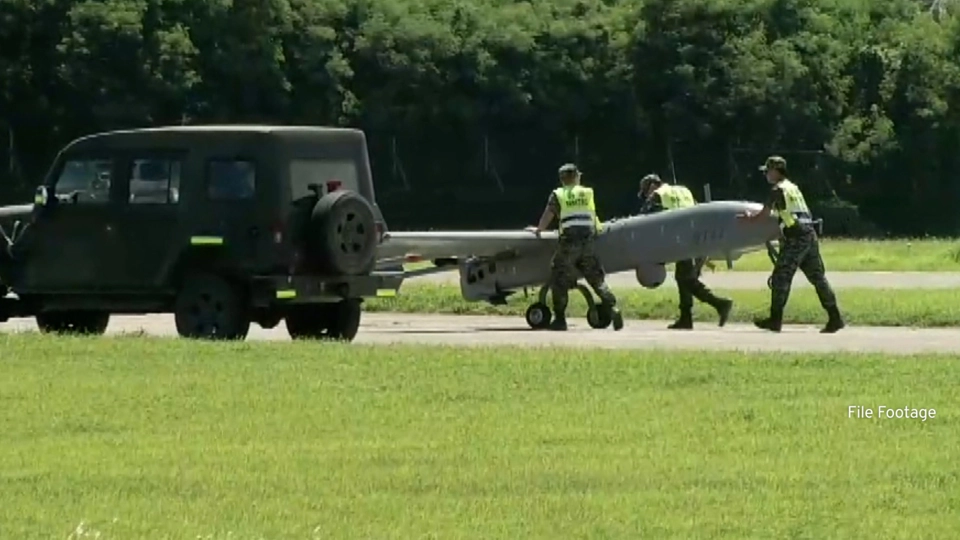
Kelly Grieco, a senior fellow at the Stimson Center, emphasizes the opportunity for Taiwan to harness its growing drone industry. By producing drones in large quantities, Taiwan can enhance its self-defense capabilities while minimizing reliance on imported systems.
Taiwan plans to create a “drone fleet” comprised of tens of thousands of unmanned systems in efforts to modernize its approach to defense. This initiative, coupled with the PIPIR framework, is designed to showcase the importance of cooperation and scalability in military production. The emphasis on drones aligns with broader trends in modern warfare, where smaller, more portable systems are increasingly prioritized.
One of the unique advantages Taiwan brings to the table is its robust semiconductor industry. Advanced chips are essential for modern weapon systems, and the collaboration between U.S. and Taiwanese defense contractors could streamline production processes. The PIPIR initiative may involve the U.S. supplying certain components while Taiwan focuses on assembly, or vice versa, fostering a mutually beneficial partnership.
As Taiwan seeks to bolster its defenses amid escalating tensions with China, the PIPIR initiative can be seen as a way for Taiwan to enhance its military capabilities while contributing to regional stability.
As the geopolitical landscape evolves, initiatives like PIPIR could play a crucial role in shaping the future of defense partnerships in the Indo-Pacific, ensuring that nations like Taiwan are equipped to meet emerging challenges head-on.
 04:02
04:02 00:31
00:31 02:54
02:54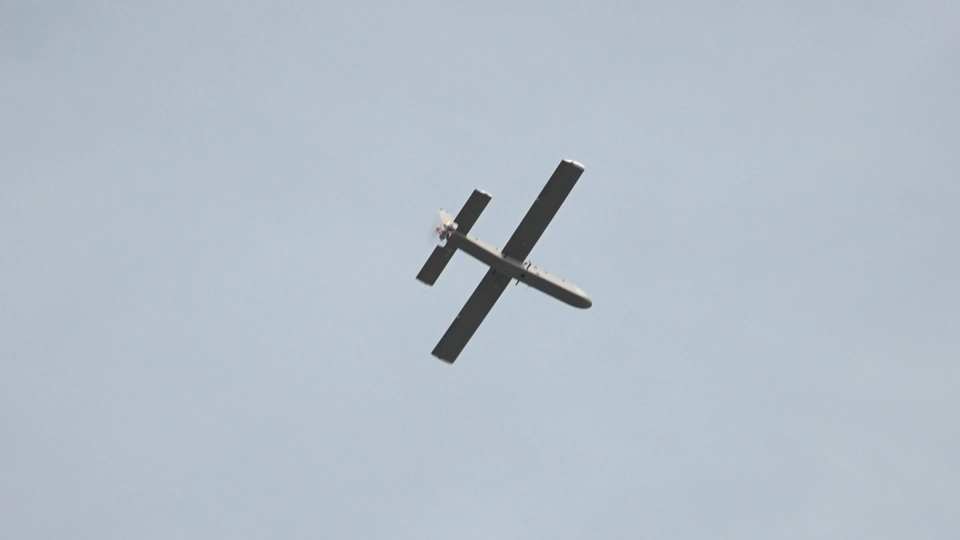 02:33
02:33 04:03
04:03 03:00
03:00 00:26
00:26 00:35
00:35 03:03
03:03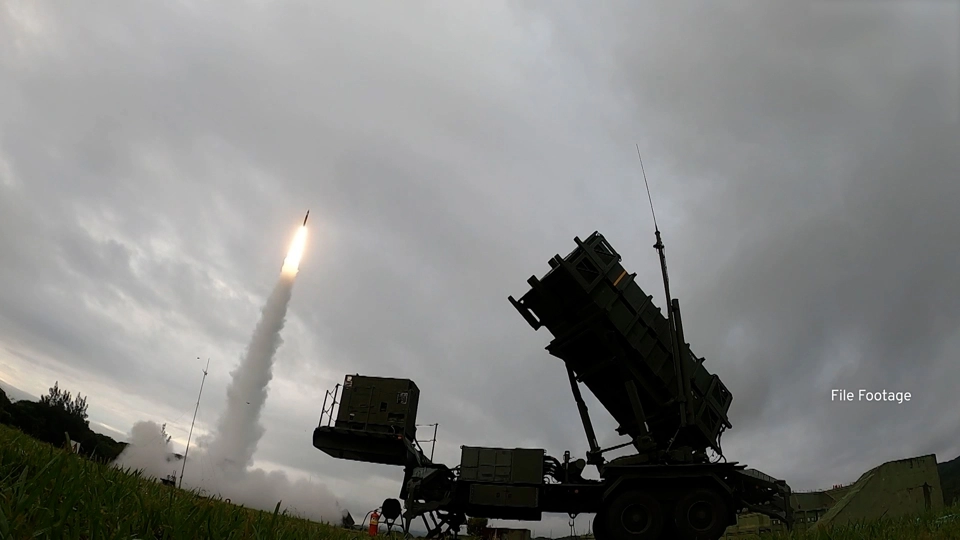 02:56
02:56 00:27
00:27 00:26
00:26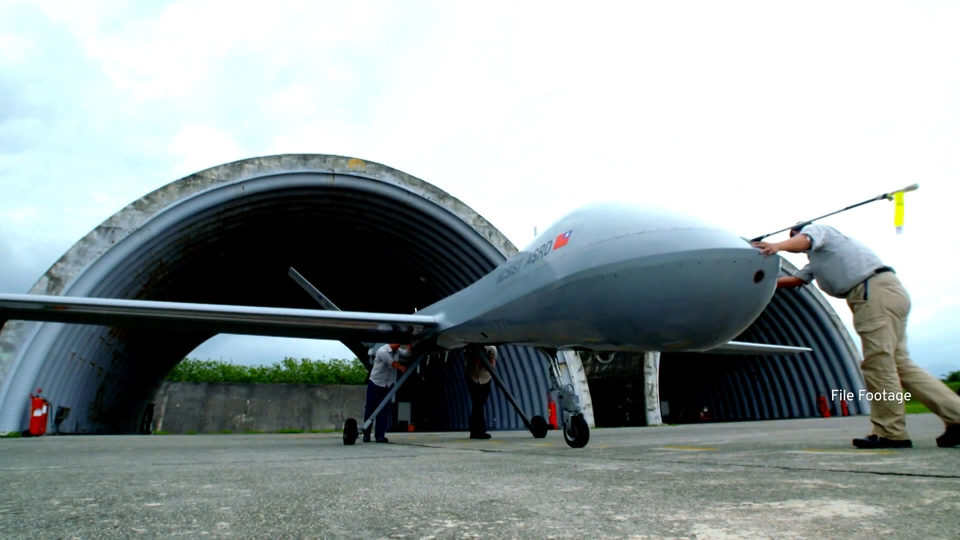 00:33
00:33 03:21
03:21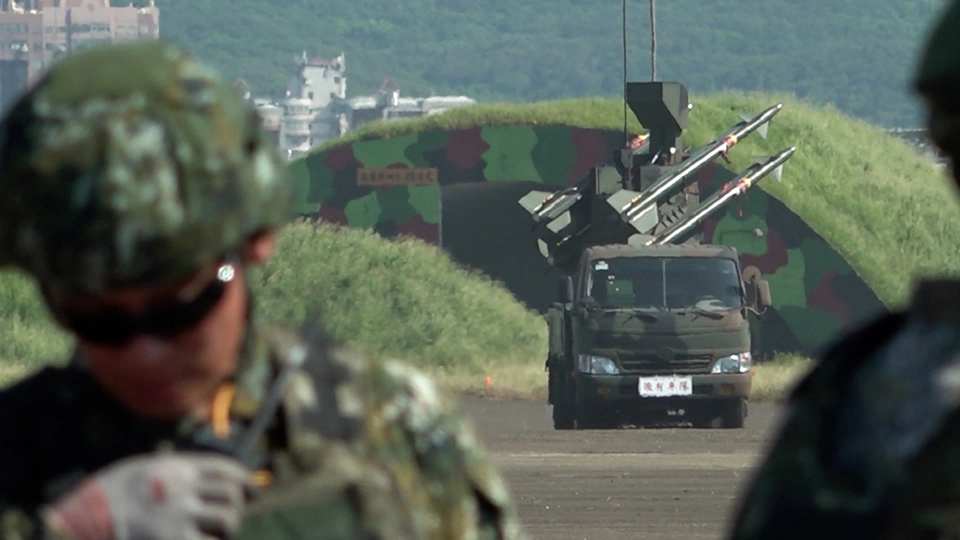 03:19
03:19 03:23
03:23