Resa says she knew from a young age that the body she was born in did not match her internal gender identity.
She started hormone therapy once she turned 18... and underwent top surgery last year.
But growing up in a Taiwanese Indigenous community... she said adopting different gender expressions, including clothing, is something generally taboo...
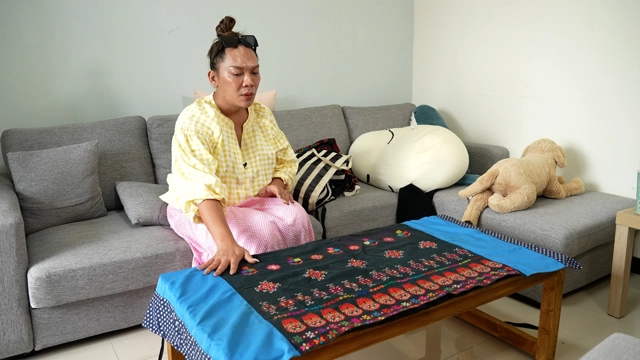
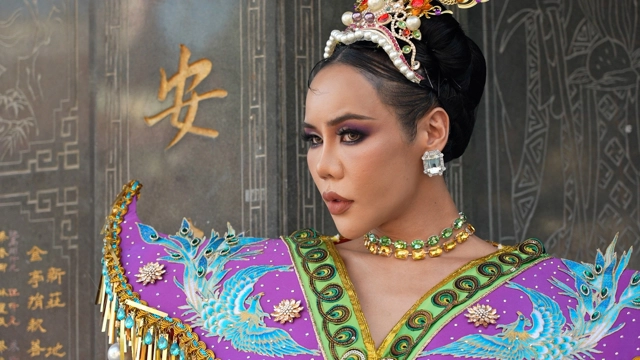
That’s why when she put on her own traditional Paiwan woman’s festival outfit for the first time... she was surprised to be showered with compliments.
RESA, HAIRDRESSER/YOUTUBER:
"I was actually still very scared at the time. When I walked into [the festival venue] a vuvu, that’s an older woman, grabbed me and told me my clothes were beautiful then asked where I bought them. In that moment, I started crying because I felt it showed the village’s acceptance. I think this was one of the greatest gifts my tribe has ever given me."
Anthropologists believe Taiwan to be the origin of Austronesian groups across the Pacific... yet today, Indigenous Taiwanese people make up only around 2.5% of the entire population, with 17 recognized groups and many more fighting for legal recognition.
Traditional clothing... which distinguishes women and men... is an integral part of their group identity.
Resa said she's lucky to be embraced as a transgender woman... but she knew acceptance within her community is something earned, not given.
It took her years of working for the village's office to finally ask the elders for permission to customize and wear the traditional outfit.
RESA, HAIRDRESSER/YOUTUBER:
"Wearing traditional attire is something that first requires recognition from the community as well as the approval of the elders and leaders. You should first give back to your community and then the community will give you more support. But if you haven't received any support from within the community people won't understand why you have the right to wear it."
But what if you're trying to come out to not one... but two communities with different conventions and standpoints on LGBTQ+ identities?
That’s the case for Akuanʉ.
Born and raised in Taipei, Akuanʉ had always felt distant from her Indigenous roots.
She said most of her relatives have no idea that she's attracted to women... nor would they ever try to understand.
AKUANʉ KULATANA, TAIWAN INDIGENOUS LGBTQ ALLIANCE:
"My father is Truku and my mother is Tsou. They come from different people groups and the attitudes toward gender diversity are very different. "If someone in our family were gay I'd throw them out." That's the kind of thing elders would say. So I thought, I just won't tell them. I didn’t want to force that conversation."
Being one of the few Indigenous kids at her school... discrimination against both her ethnicity and her sexuality crushed Akuanʉ’s confidence and made her suppress those identities.
But even as she gradually came to accept what it means to be Indigenous AND queer... she realized her sexual orientation could threaten her Indigenous belonging.
AKUANʉ KULATANA, TAIWAN INDIGENOUS LGBTQ ALLIANCE:
"I was afraid that if people found out I was gay they might think I wasn't really part of the village or that I wasn't really part of the family. I don't know what kind of mindset that was but for a period of time that's how I felt. Now I'm much more certain of who I am and much more confident to say that I am Indigenous and a lesbian."
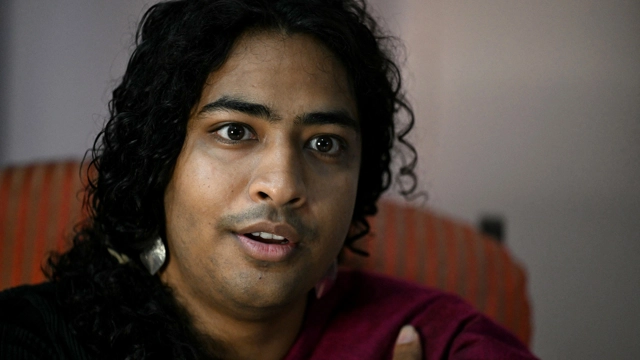
"Everyone has their own experience. We hope to tell our stories ourselves."
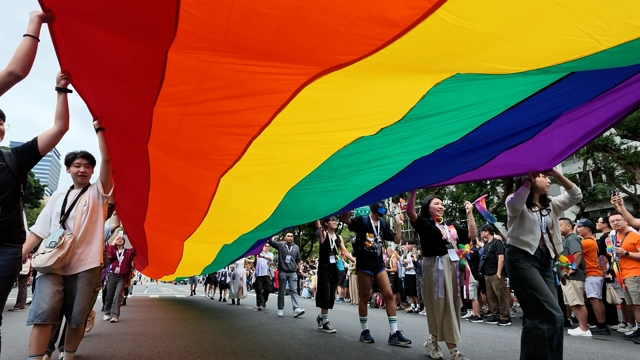
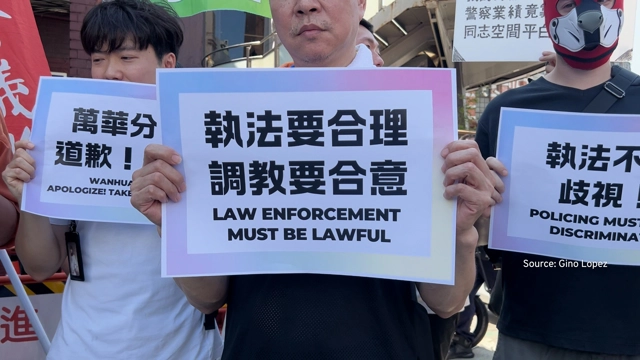
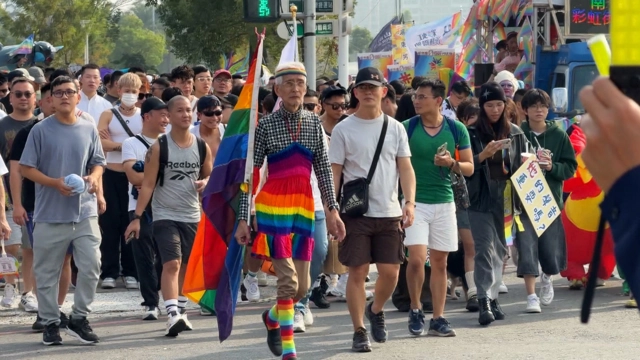
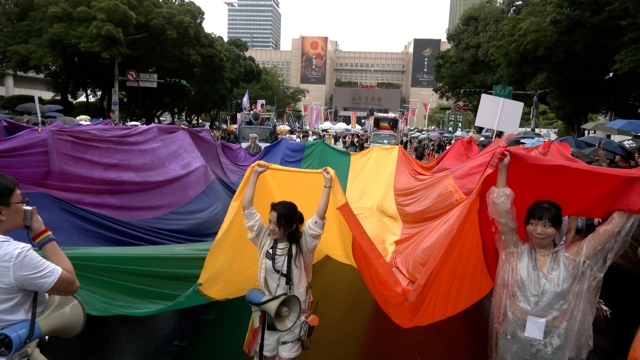
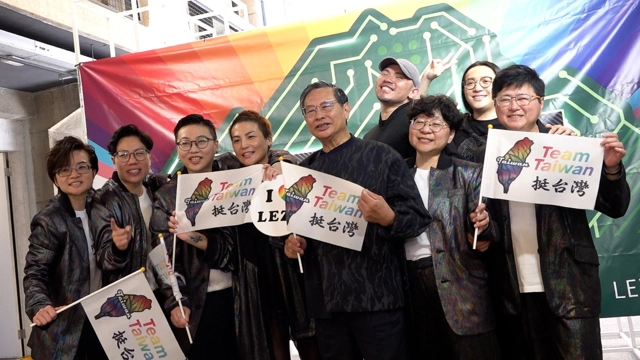
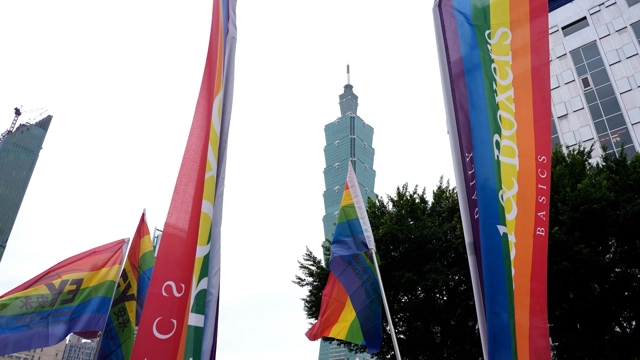
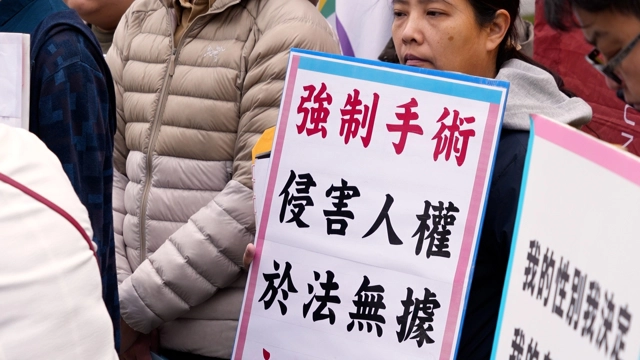
On the night of the annual transgender march in Taipei... Akuanʉ represented her NGO to welcome more Indigenous members for the first time.
She said many of those who face similar challenges are afraid to speak up... because while the broader society evolves... Indigenous ways of life remain relatively conservative.
Researcher Danubak Matalaq says this conservative leaning comes from a desire for autonomy and sovereignty.
DANUBAK MATALAQ, INDIGENOUS GENDER STUDIES RESEARCHER:
"Although Taiwan has become a highly democratic society with a strong commitment to freedoms it is still, in many ways, a state where an outside regime governs Indigenous people and their land. The desire to resist assimilation can sometimes turn into an effort to protect existing traditional culture and preserve it."
But Danubak challenges the self-determining gender tradition.
DANUBAK MATALAQ, INDIGENOUS GENDER STUDIES RESEARCHER:
"If we assume these binary gender and heterosexual family systems as the so-called traditions we lose sight of how earlier generations dealt with gender diversity. If we want to gradually move from having Indigenous identity defined by other people to truthfully presenting our own lived experiences it certainly shouldn’t be left to gender minorities alone to strive for this."
Recent years have seen more Indigenous queer voices entering mainstream culture... seen in growing use of the term "A-dju"... this traditionally refers to “sisters” in the Indigenous Paiwan language but is increasingly used among Indigenous gay men.
But where to draw the line between cultural preservation and full acceptance of LGBTQ+ identities remains a tricky question.
 05:31
 02:59
 03:19
 03:28
 00:40
 01:32
 02:34
 03:55
 03:32
 03:15
 05:04
 01:27
 04:21
 05:32
 02:07
 02:06