*This AI-generated summary is based on reporting by TaiwanPlus and verified by newsroom fact checkers. Learn more about our policy here.”
Despite Progress, Gay Men Remain Absent from Taiwan’s Political Landscape
By Reece Ayers | TaiwanPlus Reporter
Taiwan has won international praise for its progressive stance on LGBTQ+ rights, becoming the first country in Asia to legalize same-sex marriage in 2019. Yet, inside the halls of government, queer representation tells a different story.
Despite a growing number of openly LGBTQ+ politicians, there are still no openly gay men elected to office in Taiwan. Observers and insiders say cultural expectations and lingering stigma may be discouraging queer men from entering politics — or voters from electing them.
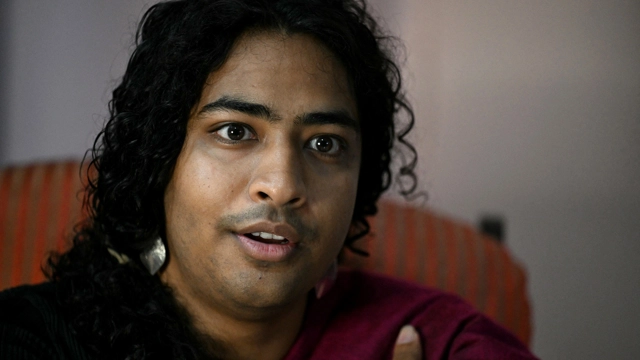
“I think that what drives me to do this job is working out how to make waves and make a change,” said Antonio Wu, a policy assistant to Taipei City Councilor Sabrina Lim. “It’s something I attach great importance to. So maybe if there is an opportunity, I will think about trying out for a job in government.”
Wu is among a new generation of queer political staffers considering a run for office. But so far, no openly gay men have made it onto the ballot and won. Wu believes part of the reason lies in societal expectations.
“People may expect male representatives to be more decisive and masculine. But if a person does not fit into that traditional male role, it might prevent some people from voting for them,” he said.
There are currently two out-LGBTQ+ legislators in Taiwan — both women, and neither came out voluntarily. All of the half-dozen or so openly queer city councilors are also women.
Among them is Taipei City Councilor Miao Poya, one of Taiwan’s most visible queer politicians. Miao has faced personal attacks for her gender expression.
“Look at what she wears. I don't know how to call her — as a miss or mister,” she recounted a lawmaker saying at a public event.
Miao said she has often been told to soften her image to appeal to voters. “They say you have to make yourself look like a girl or use more, maybe like a pink color in your campaign,” she said.
But Miao has refused to change her appearance to fit stereotypes. “That is another example to discourage the youth, because I’m telling them, if you want to be successful in politics, you have to hide yourself from the public,” she said.
Advocates say the lack of legal protections and inclusive education also contributes to bias.
“Commercial behavior or online hate speech targeting the whole community — not only targeting a single person — cannot be regulated now,” said Sean Du of LGBTQ+ support group Tongzhi Hotline.
Polls show that while support for LGBTQ+ rights in Taiwan is relatively high, it drops when it comes to electing gay politicians. A 2023 Taiwan Equality Campaign survey found just 69% of respondents said they would accept a gay political representative, compared to 77% who would accept a gay colleague.
Still, Antonio Wu believes change is possible. “We should create a more friendly environment to allow people already working in politics to disclose their identities and inclinations,” he said. “They’ll be like lighthouses guiding the way.”
As Taiwan continues to lead on queer rights in Asia, activists say the next step is ensuring the diversity of its population is reflected in the people who represent it.
 03:19
03:19 03:28
03:28 00:40
00:40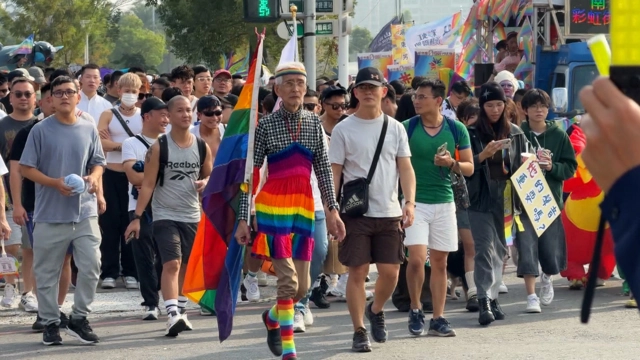 01:32
01:32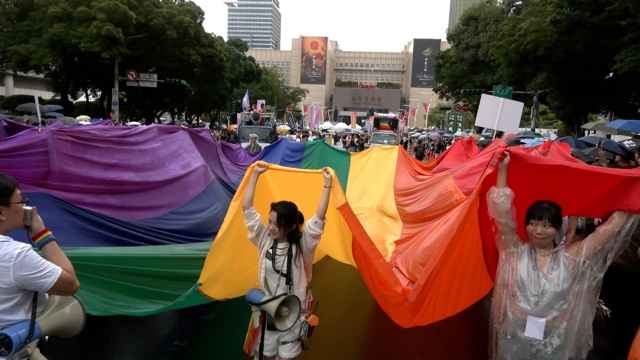 02:34
02:34 03:55
03:55 03:32
03:32 03:15
03:15 05:04
05:04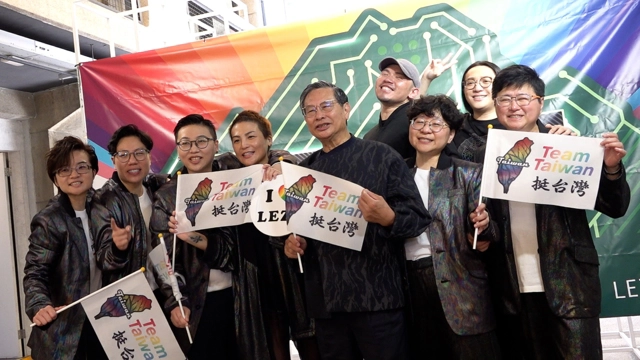 01:27
01:27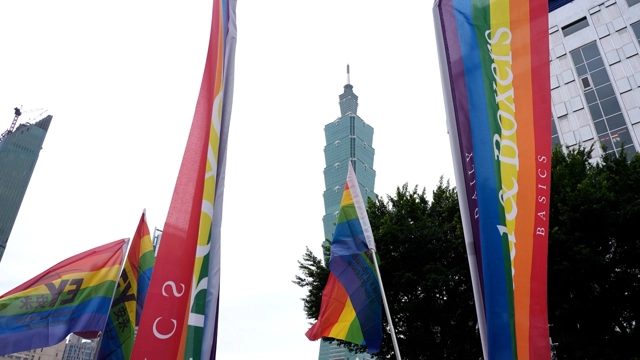 04:21
04:21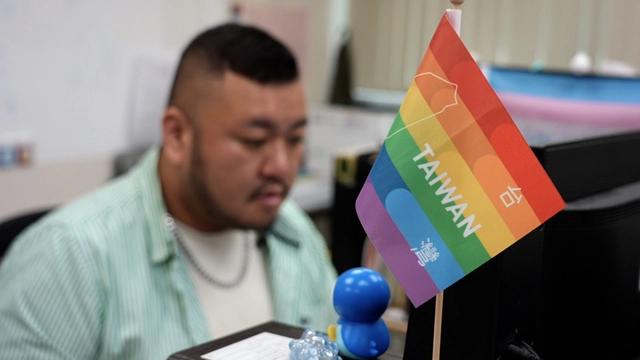 05:32
05:32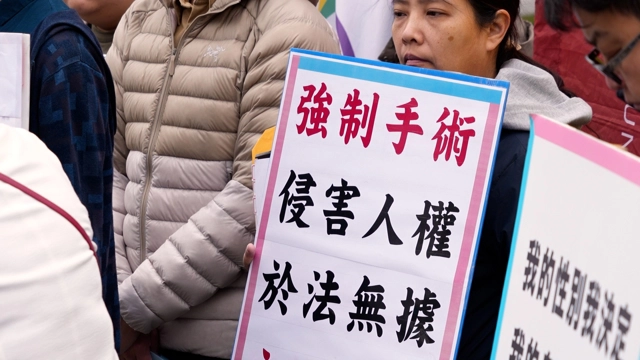 02:07
02:07 02:06
02:06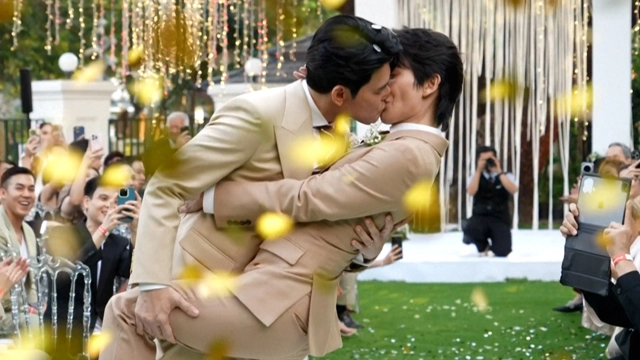 03:25
03:25 02:42
02:42