Camellia Oil Recalled As Taiwan Food Scandal Widens
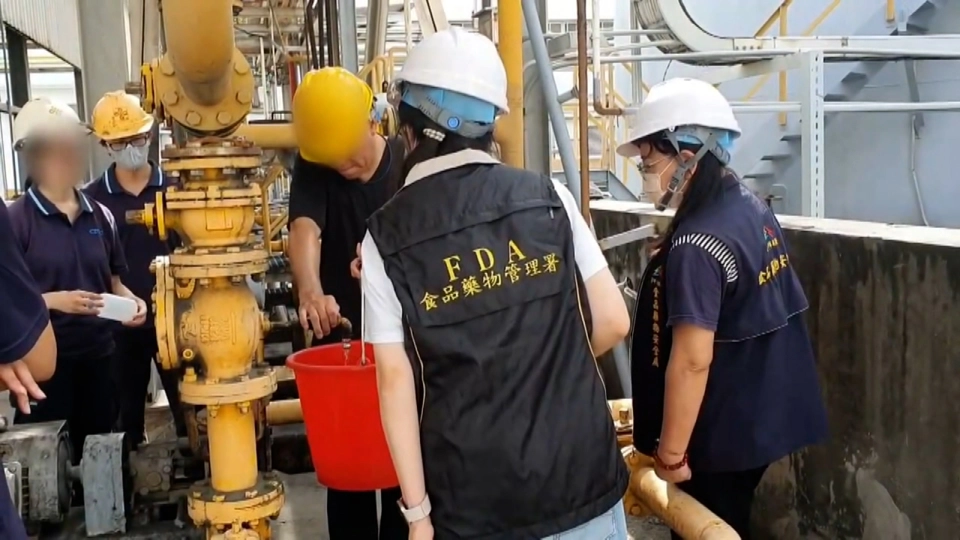
Taiwan’s cooking oil scandal has escalated as the carcinogenic substance benzopyrene (BaP) has now been detected in four brands of camellia oil manufactured by Chiayi-based Yuan Chuen. Health minister Shih Chung-Liang says authorities highly suspect the cause to be contaminated stems from raw camellia fruit imported from China, where limits on BaP levels are far less stringentt than in Taiwan. Meanwhile, in Taichung, prosecutors have detained Central Union Oil’s refinery manager after evidence surfaced that the firm actively hid toxicity alerts for months.
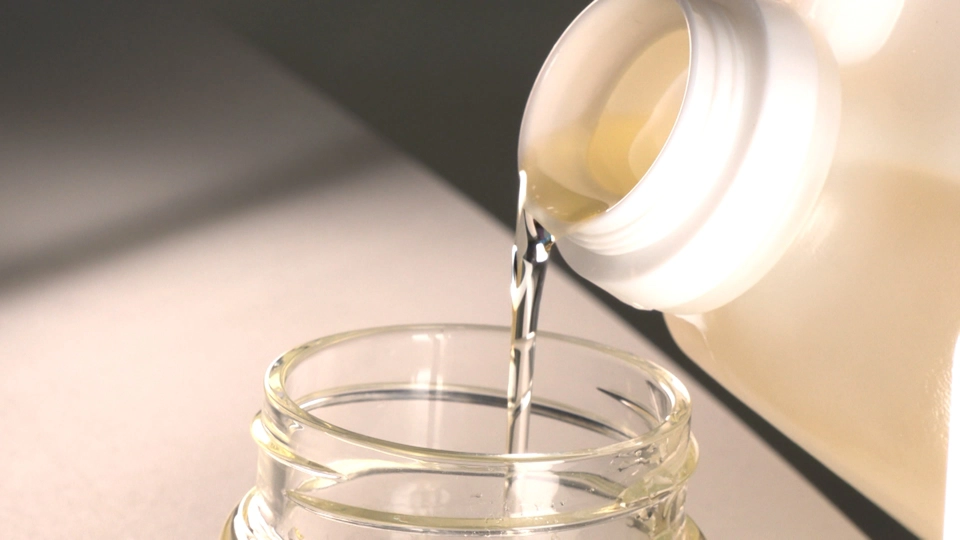
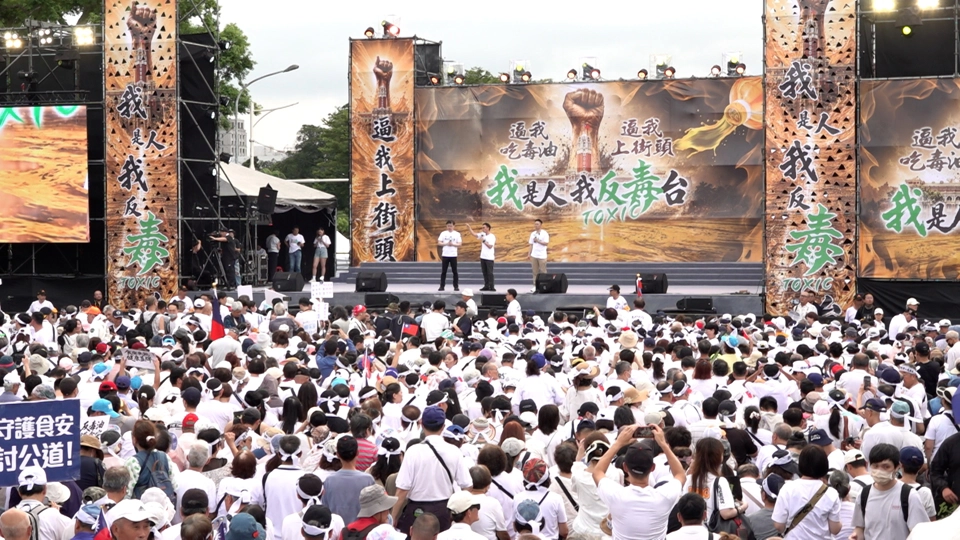
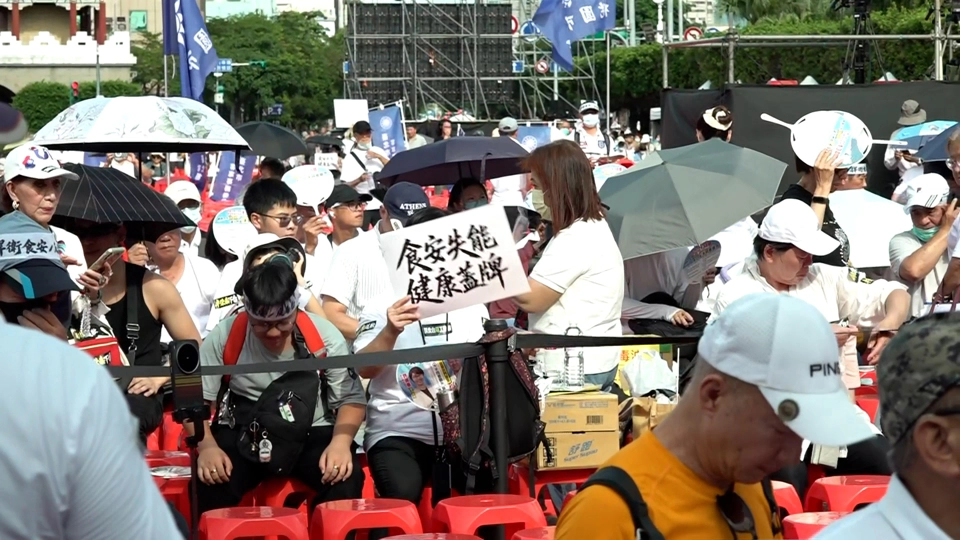
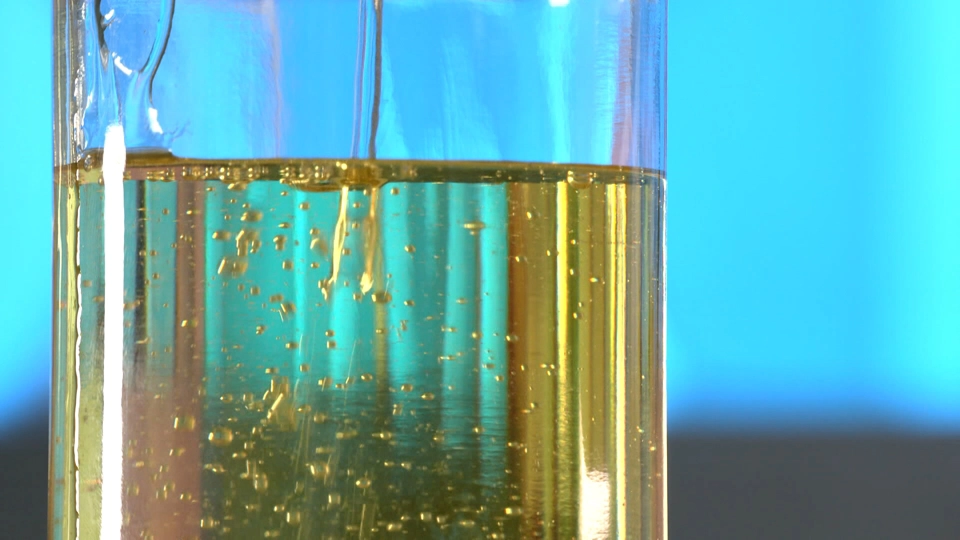
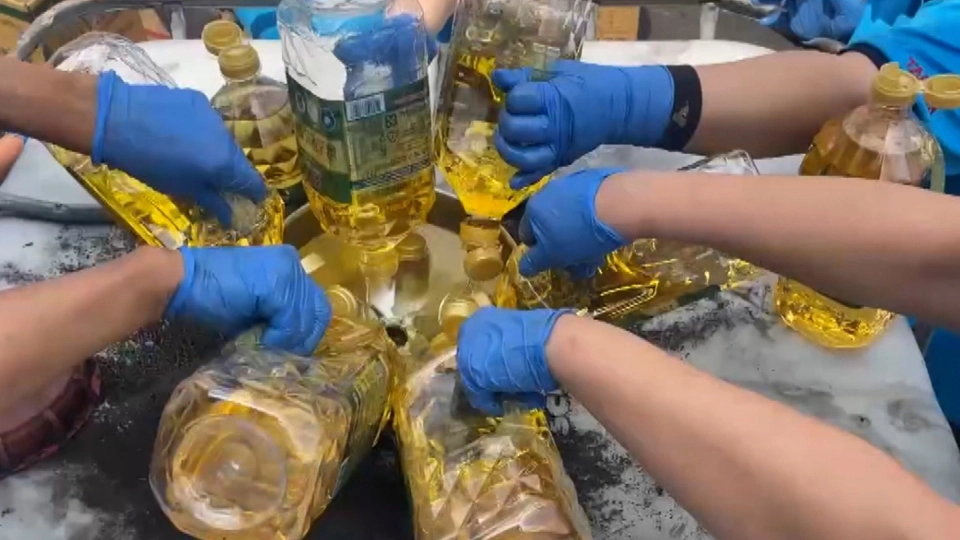
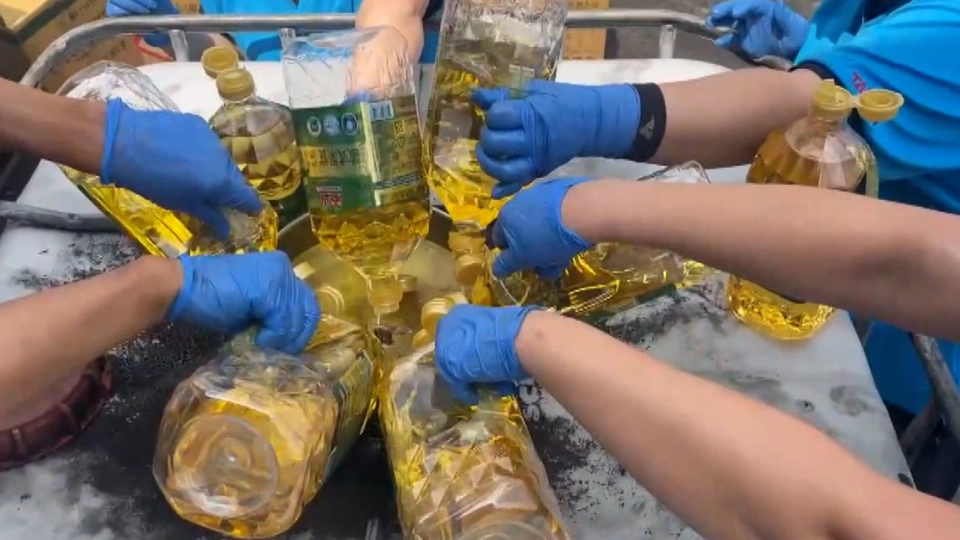
Amid a national outcry over tainted cooking oil... the same toxic compound has been found in more products. Four brands of camellia oil have been taken down from shelves... and their manufacturer Yuanchuen is offering full refunds. But as health authorities search for answers... they suspect the source could be imported camellia fruits from China, which has far less stringent standards for levels of the carcinogen benzopyrene... also known as BaP.
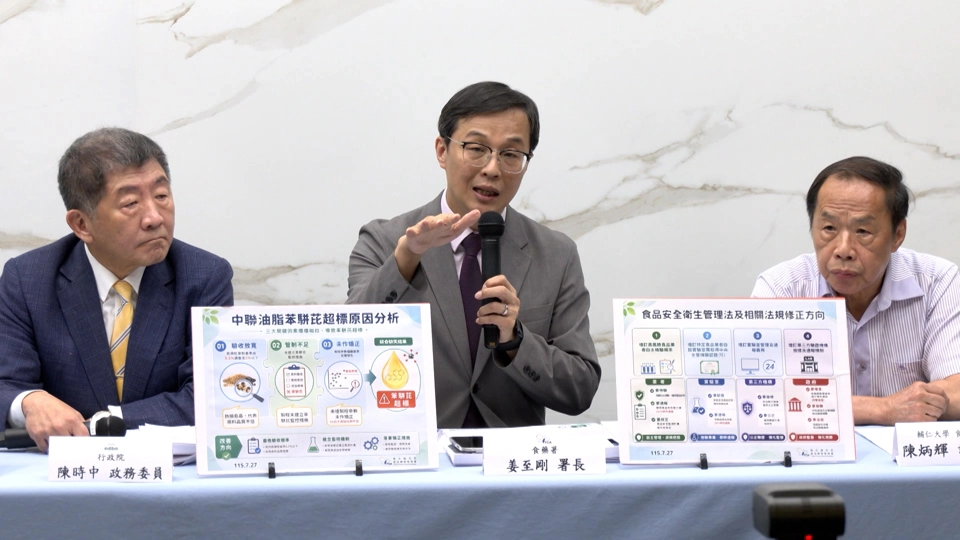
SHIH CHUNG-LIANG, HEALTH MINISTER: "Because Yuanchuen can't list its sources we highly suspect that they were camellia seeds imported from China. Along the supply chain the camellia seeds probably all came from China where the acceptable level for BaP is 10 parts per billion."
The batch of oil was extracted by pressing camellia seeds at 95 degrees Celsius... a low enough temperature to avoid generating BaP. That's why some food safety experts suspect high heat was used to prepare the camellia fruit before it arrived in Taiwan.
SU WEI-SHUO, NAT'L ALLIANCE FOR PUBLIC SUPERVISION OF FOOD SAFETY: "Direct-fire drying means the hot air generated directly from combustion is blown onto the oil and fat. Right now, this is accepted by academia and industry as the primary cause most likely to generate BaP."
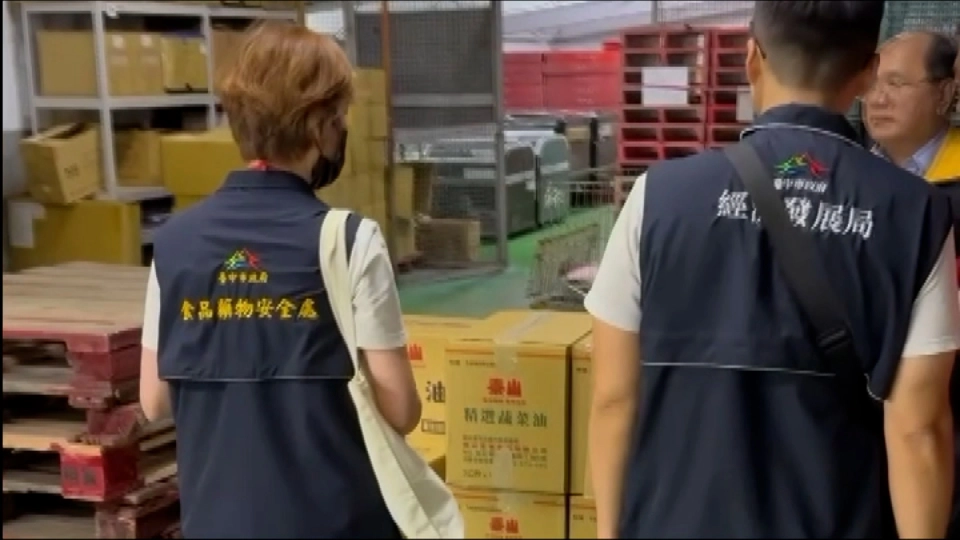
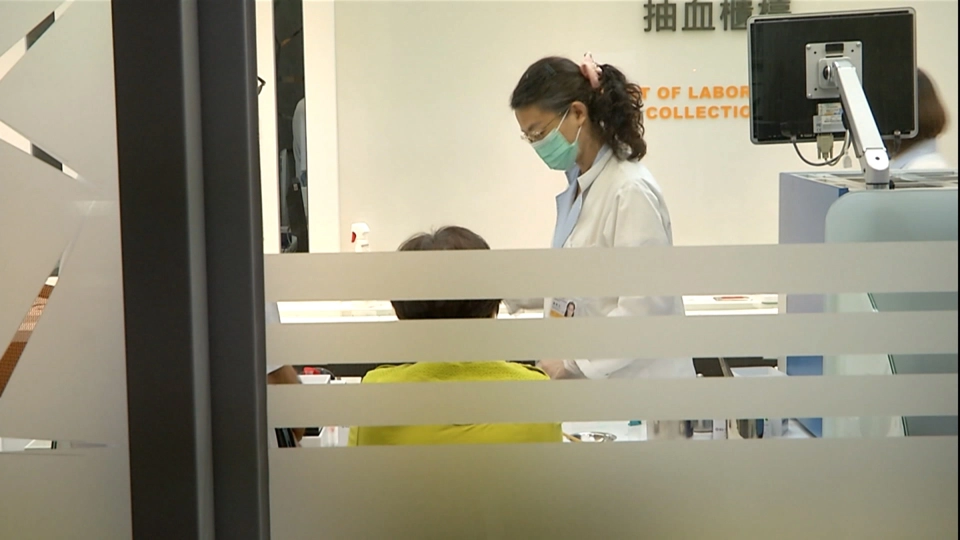
And the soybean oil case that sparked this cooking oil scandal is far from over. One of Central Union Oil Corporation's clients returned a batch of semi-processed oil after finding an excessive amount of BaP back in May... just around the time when the batch failed another client's test. The health ministry says it was never notified because the law only requires irregularity reporting for the final product. Prosecutors are now holding Central Union's refinery manager after he was released on bail.
HUANG YA-CHI, ADMINISTRATIVE PRESIDING JUDGE, TAICHUNG DISTRICT COURT: "It's held that the defendant who is also the head of the food safety team at Central Union Oil Corp. upon knowing the product’s excessive BaP levels and seeing the food safety crisis expanding still maintained a passive attitude failing to report the issue or halt production. As more evidence surfaced, the defendant continuously changed their arguments signaling an attempt to avoid internal warnings and deflect blame for it."
As more tainted oil products come to light... Some worry it may point to a larger problem in Taiwan's food safety regulations... And with several food safety amendments awaiting review... Lawmakers may have to work faster...before public anger reaches boiling point.