Bank of Taiwan Freezes Interest Rates Amid Global Hikes
REPORTER:
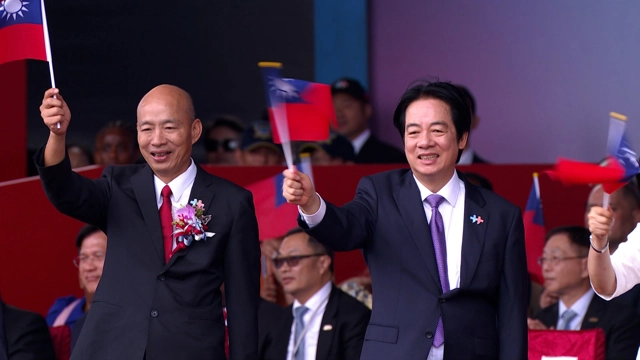
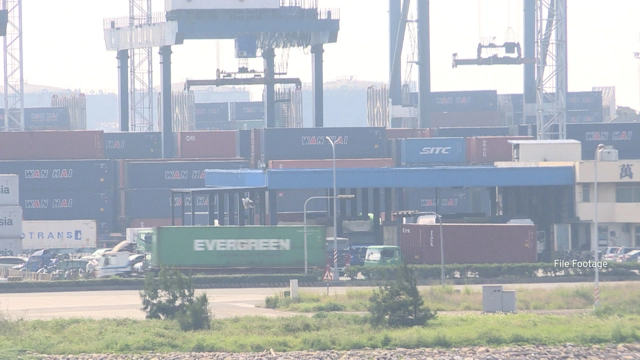
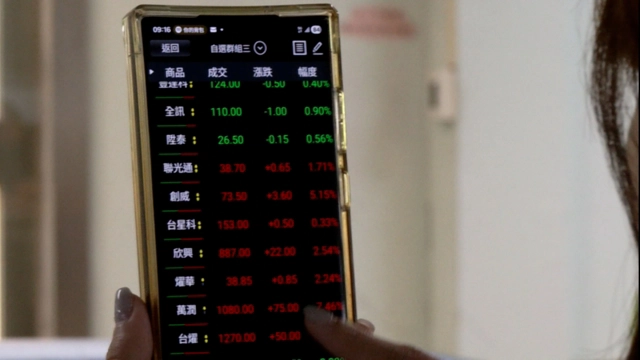
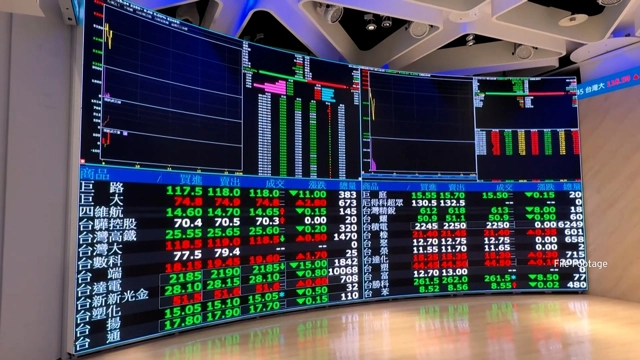
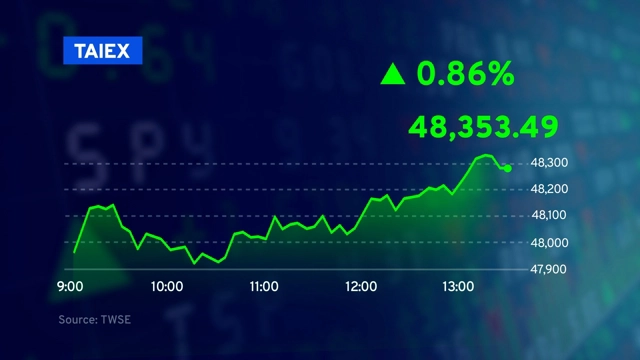
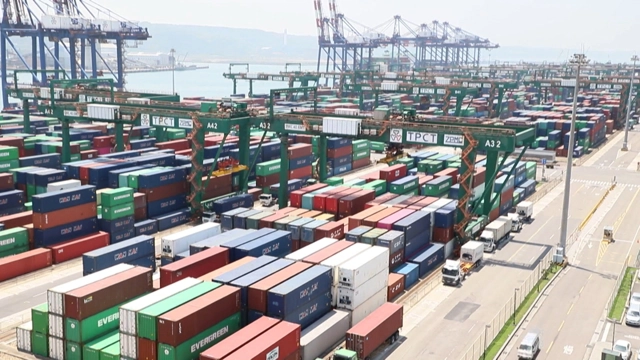
Taiwan’s central bank is bucking international trends by freezing interest rates. The move comes in response to economic imbalance as traditional industries and first-time home buyers feel the squeeze even as AI hardware exports soar, driving double-digit growth.
Although inflation has risen since June, the bank cites temporary supply shocks, such as higher oil prices from the Iran war.
Japan’s central bank today raised the benchmark rate to its highest level in 30 years.
Taiwan’s central bank is not raising interest rates, after the US and Eurozone did raise their benchmark rates in the past week, and it is even relaxing certain borrowing rules.
The central bank now expects Taiwan’s economy to grow almost 11.5% this year on the back of an AI export boom. That is much higher than other developed markets. But it has to consider many industries that are not benefitting when making monetary policy. The bank is also making it easier to borrow for a second house, saying the property market has cooled. And although inflation has risen since June, the bank says that is based on temporary supply shocks, such as higher oil prices since the beginning of the Iran war.
Japan’s central bank today raised its benchmark rate to 1.25%, the highest it has been in 30 years.
 03:40
 03:16
 00:30
 00:33
 01:49
 00:24
 01:33
 00:29
 02:42
 00:54
 00:32
 02:20
 01:00
 00:25
 01:46
 00:26