REPORTER:
Markets are reacting fast, with stocks falling and oil prices rising on Thursday. Two clear indicators that US President Donald Trump's speech on the Middle East conflict is failing to convince investors any end is in sight.
REPORTER:
Taiwan’s main index, the TAIEX, dropped sharply on Thursday morning. This comes just a day after the index marked its second highest gains, when investors were still optimistic that the conflict might ease.
REPORTER:
But those hopes faded after Trump’s latest address. He failed to give a timeline of when the conflict would end, repeating threats that the US would aggressively strike Iran over the next two to three weeks. Iran, meanwhile, refuting Trump's claim that Tehran had asked for a ceasefire.
REPORTER:
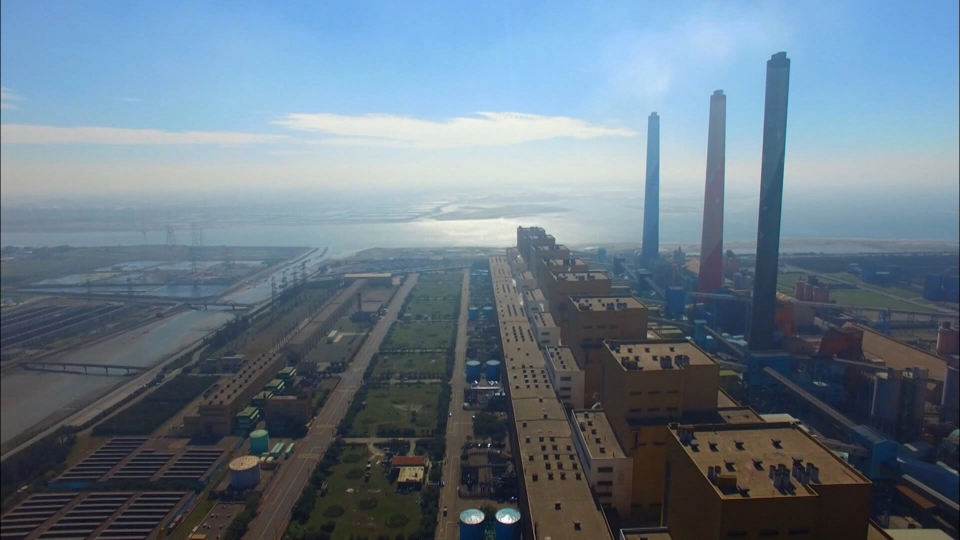
Here in Taiwan, the government is now bracing for a longer disruption. Officials say they are closely monitoring energy supplies and the wider economic impact.
Cheng Li-chiun (TAIWAN VICE PREMIER):
Regarding natural gas supply after June, we have already initiated adjustments to the procurement strategy for July and August. To increase natural gas sources outside the Middle East, we will ensure a secure natural gas supply. Therefore, the current stockpiles of [liquefied natural gas] are above legal standards. In terms of energy resilience, we assure the public that our supply is secure.
REPORTER:
Analysts say all eyes are on the Strait of Hormuz – the reopening of this major shipping route for fuel will ease the bottleneck that is hurting Asian economies. As the war disrupts oil supply, the costs of raw materials and everyday goods, like plastic bags, have skyrocketed. In response, Taiwan's state-owned refiner CPC Corp brought a naphtha cracker back online a week ahead of schedule to help alleviate supply chain disruption.
REPORTER:
Markets are likely to stay volatile as long as the conflict drags on, with Taiwan and the rest of the world watching for any signal the fighting could ease.
 02:02
02:02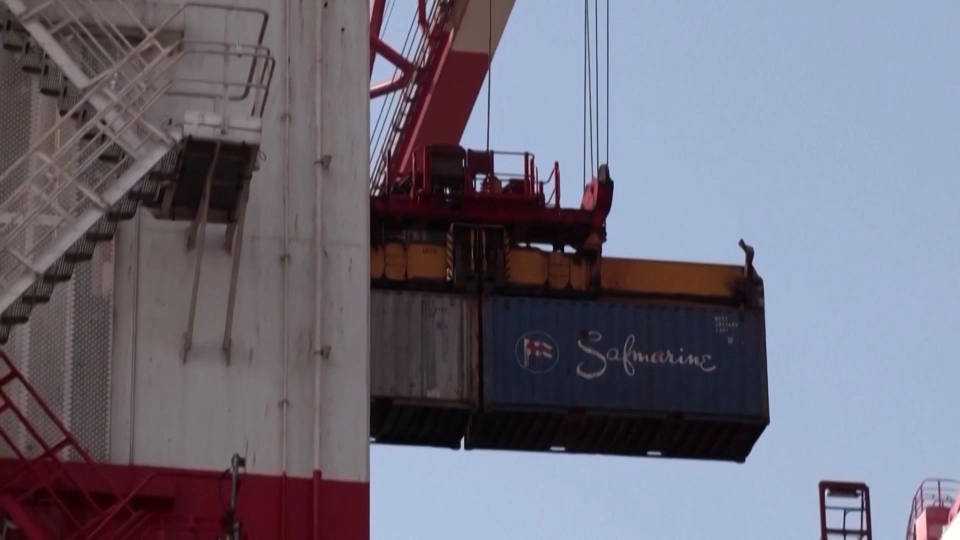 00:36
00:36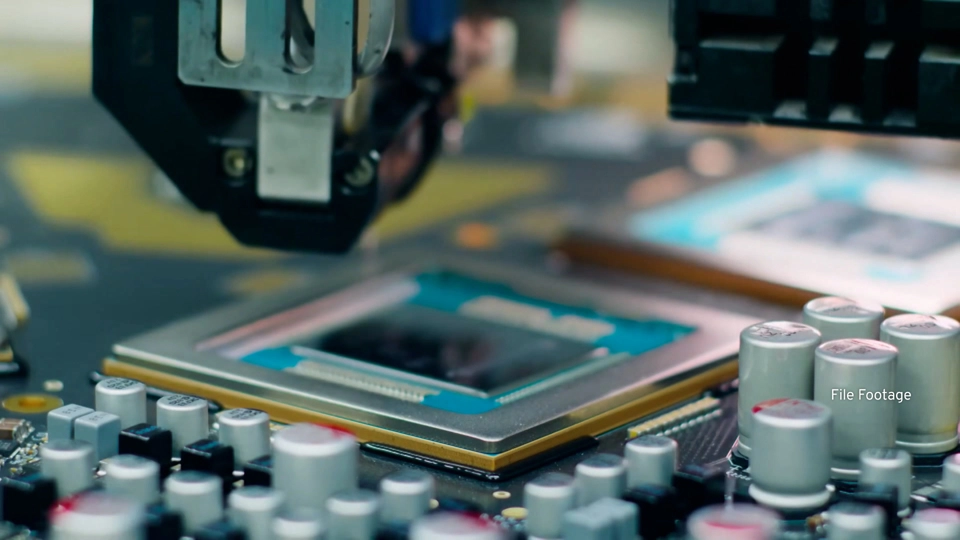 00:57
00:57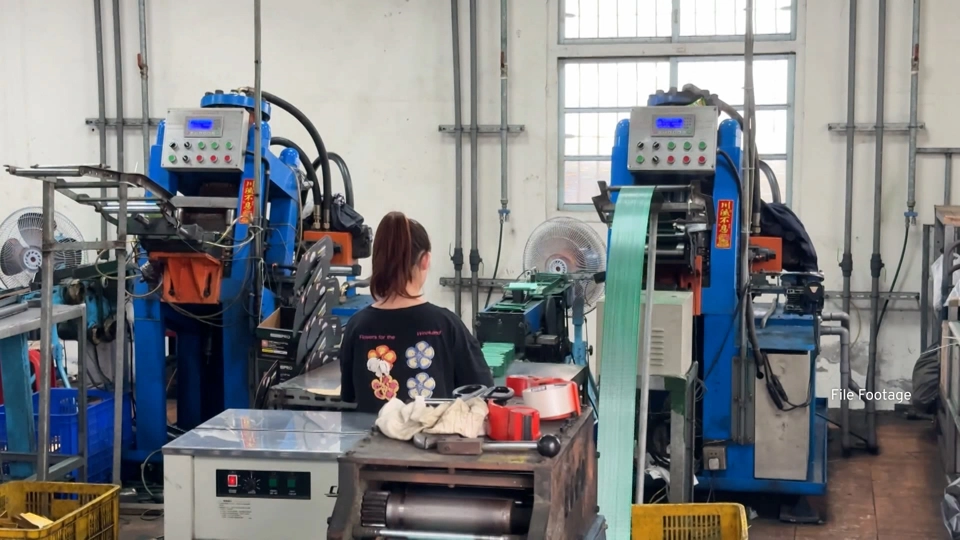 02:03
02:03 00:26
00:26 00:35
00:35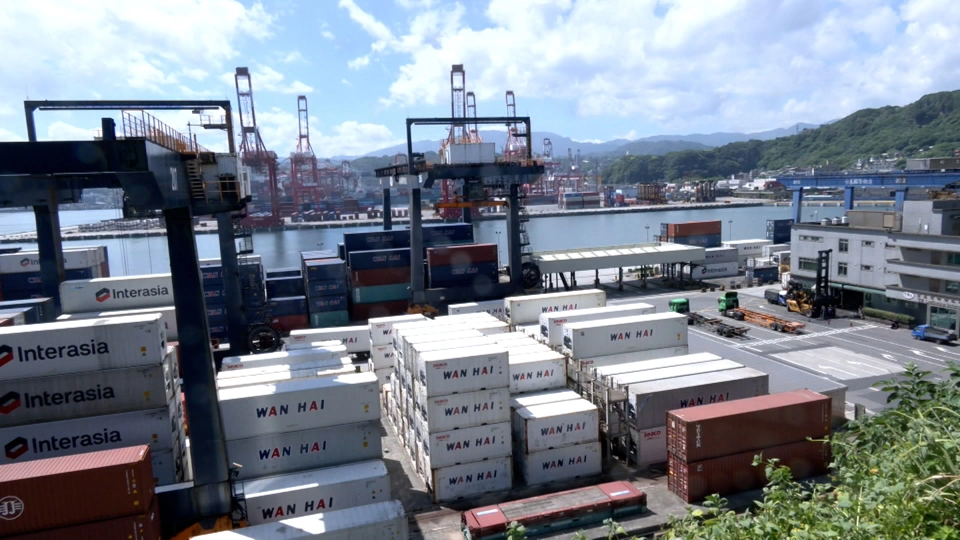 00:27
00:27 02:16
02:16 02:16
02:16 02:53
02:53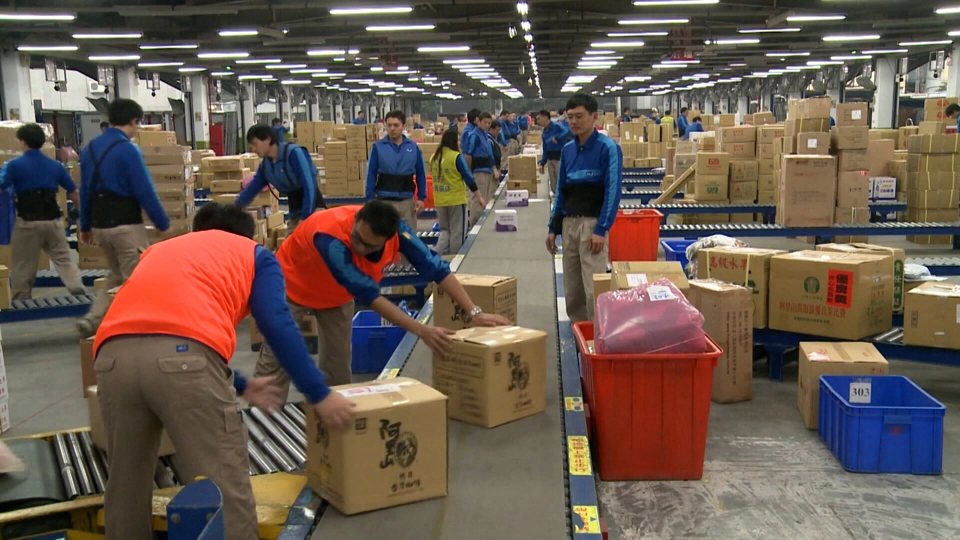 00:33
00:33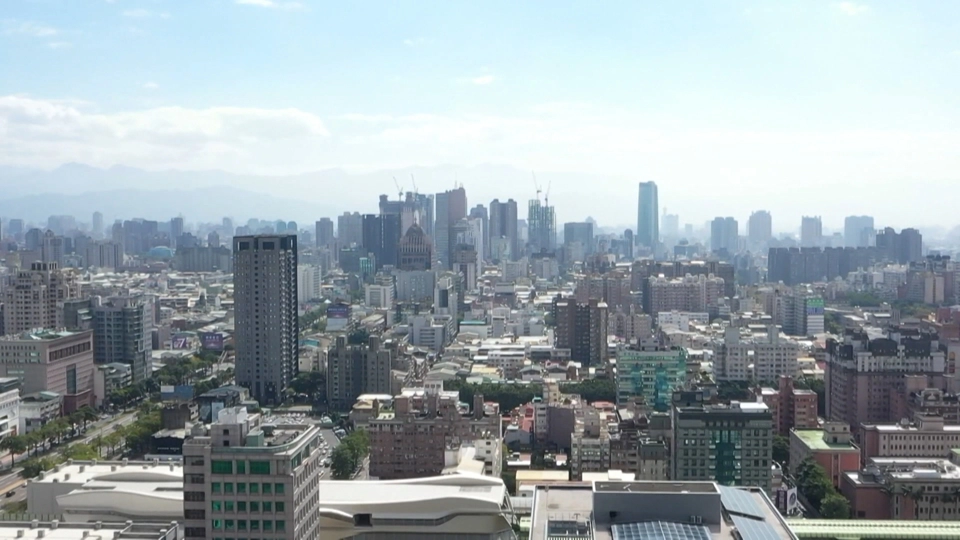 01:43
01:43 00:31
00:31 00:50
00:50 00:32
00:32 04:46
04:46