REPORTER:
Taiwan is starting to feel the impact, after one month into the Middle East war. Officials say fuel surcharges for airlines will rise starting next week, pushing up international flight prices.
Chen Shih-kai (TRANSPORTATION MINISTER):
Fuel costs are putting pressure on airlines, increasing their operating costs. The Civil Aviation Administration is expected to announce higher fuel surcharges today.
REPORTER:
For short-haul routes, the fuel surcharge will increase from around $17 to $45 US dollars.
For long-haul routes, the increase is even more dramatic, rising from about $45 to $117 US dollars, more than doubling.
REPORTER:
And on Tuesday, state-run energy supplier CPC announced natural gas prices for industrial users will rise 5% in April.
For power companies, the increase is far higher — more than 40%.
REPORTER:
The price hikes reflect rising import costs for liquefied natural gas — or LNG, which Taiwan relies on for power. Stakeholders say the shock could spread across industries, as energy feeds into everything from manufacturing to transport.
Li Chang-geng (GENERAL MANAGER, CATHAY FINANCIAL HOLDINGS):
In the first step, because there are so many products derived from oil, we need to work together to address the resilience of our energy resources and how we can diversify our energy sources.
REPORTER:
For now, households are being shielded. CPC says residential gas prices will stay unchanged in April, as it absorbs some of the costs.
Officials say they are working with suppliers to keep key goods stable.
But with imported inflation building, Taiwan’s central bank says tighter policy measures could follow.
That leaves a key question — How long can Taiwan shield its consumers from rising global energy costs?
 02:20
02:20 01:00
01:00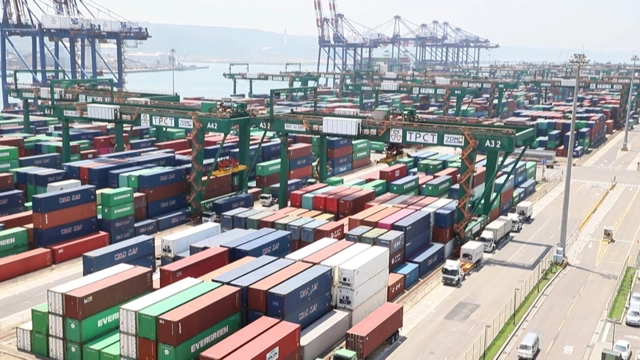 00:25
00:25 01:46
01:46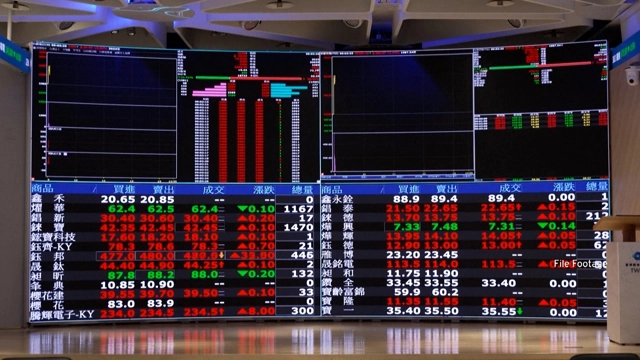 00:26
00:26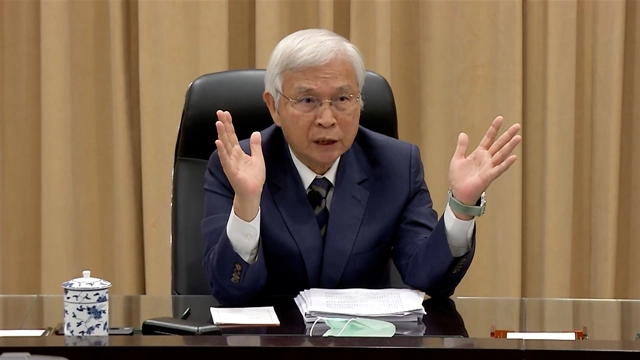 00:43
00:43 02:05
02:05 00:33
00:33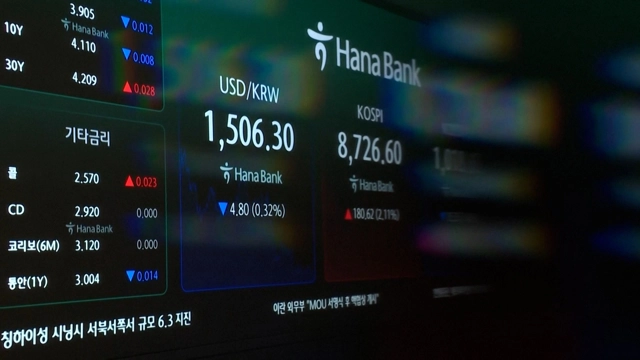 01:54
01:54 03:15
03:15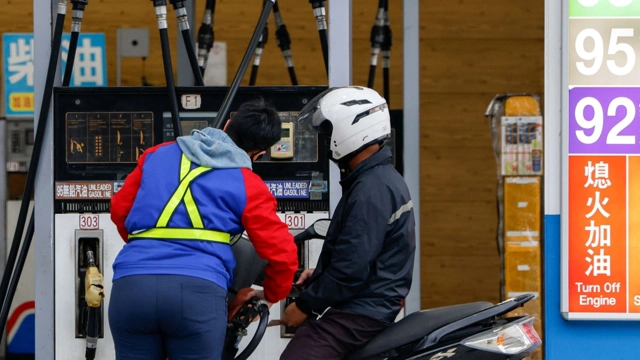 00:28
00:28 02:21
02:21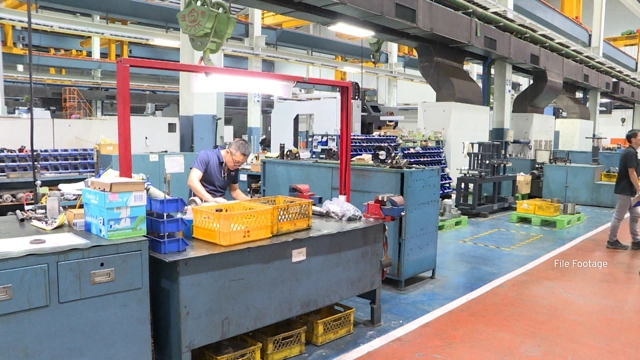 02:21
02:21 02:06
02:06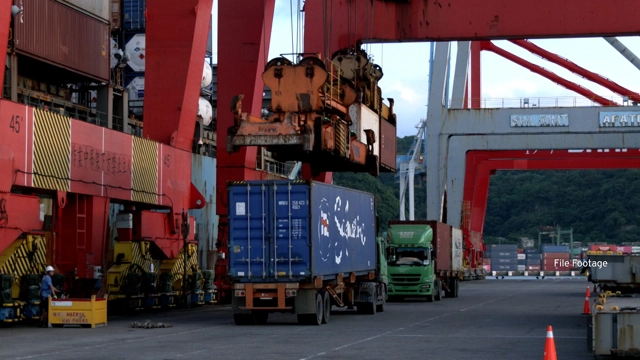 00:27
00:27 00:34
00:34