New US Tariffs
Fresh duties on furniture, drugs and more
REPORTER:
This furniture store in the central Taiwan city of Taichung has given up on the US. It’s seen income drop 80% due to Trump administration tariffs. And with an extra 30% tariff on soft furniture coming October first, the owners have decided the US market just isn’t worth it anymore.
Cheng Tian-chuan (FURNITURE STORE MANAGER):
It’s not cost-effective, so we’ve stopped exports. Many other traditional industries are in the same situation. Those like us that export are pivoting to domestic orders.
REPORTER:
Taiwan’s government has been working to support industries affected by the US’ 20% tariff on Taiwanese goods. But the country’s International Trade Administration did not respond to TaiwanPlus’ request for comment on these new tariffs.
REPORTER:
But furniture makers, and Taiwanese exporters overall are not the only ones who will feel the burn from new duties.
REPORTER:
There will also be a 25% tariff on heavy vehicles, a 50% tariff on kitchen cabinets and bathroom vanities—and a 100% tariff on patented drugs made by companies that don’t produce in the US.
REPORTER:
Some economists think specific countries like Japan, Singapore and India could try to reach a deal with the US to ease some of the pain on their medicine makers. There’s also a view that industry will adapt, with supply chains spreading out to countries subject to lower overall US tariffs.
Yue Su (PRINCIPAL CHINA ECONOMIST, THE ECONOMIST INTELLIGENCE UNIT):
No matter where you move then the tariff will be the same. But I think companies will naturally assume, for example, some countries are safer than others. For example, Singapore, which doesn't have a trade surplus with the United States, will subject to a lower tariff moving forward. So I think the idea is to diversify supply chain rather than, permanently moving the facilities elsewhere. So I guess, for example, the Chinese manufacturer of furniture will perhaps look at different options, for example, Cambodia, Malaysia and Indonesia.
REPORTER:
But US tariffs may not end here. US President Donald Trump says he wants to move from taxing physical goods to cultural imports. He’s repeated a call he made earlier in May to put a 100% on movies made outside the US. It’s unclear how that would work or what legal authority Trump has to go ahead with the policy.
REPORTER:
If the idea were workable, it would upend Hollywood’s often cross-border production model—but in the industry, at least, it seems the idea isn’t yet causing too much worry.
Gene Maddaus (SENIOR MEDIA REPORTER, VARIETY MAGAZINE):
Until it becomes more substantive than just a tweet, it's sort of hard to have anything to react to, you know, there could be a proclamation at some point. There could be a federal register at some point, you know, and then you would get a little more meat on the bones in terms of, 'Okay, this is what we can react to.' And obviously, anything they did would, you know, there would be a lawsuit saying that this is an illegal infringement on, you know, free speech and so on. But until there's actually some substance to react to, it's sort of hard to even take it that seriously, although you do have to certainly pay attention to it.
REPORTER:
Even if unworkable, the idea of a tax on foreign-made films shows that even over half a year into the second Trump administration, questions around US trade policy may not be settled soon.
 02:02
02:02 00:36
00:36 00:57
00:57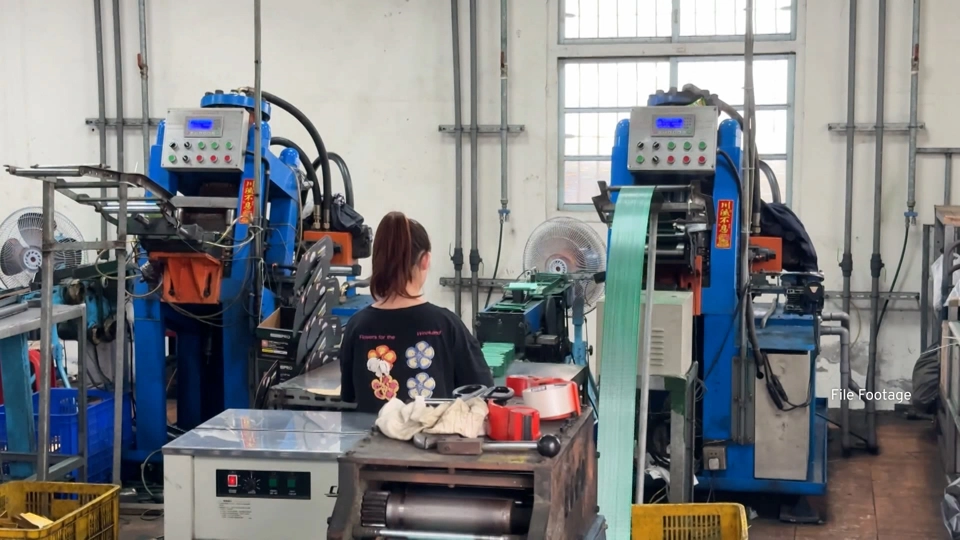 02:03
02:03 00:26
00:26 00:35
00:35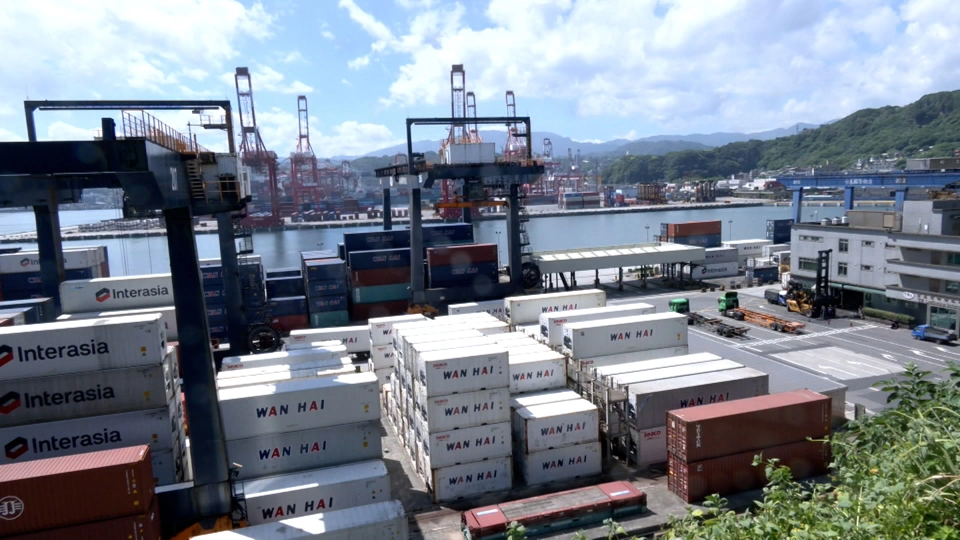 00:27
00:27 02:16
02:16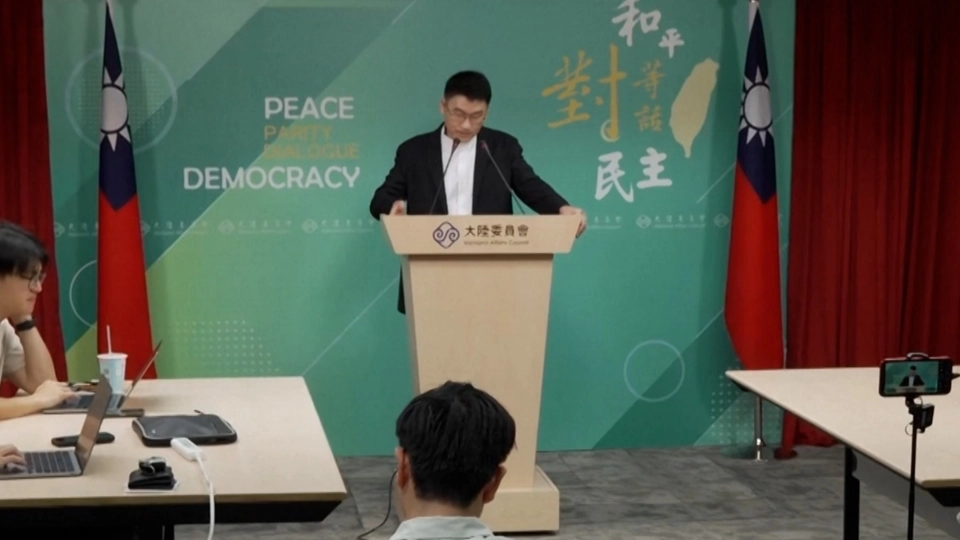 02:16
02:16 02:53
02:53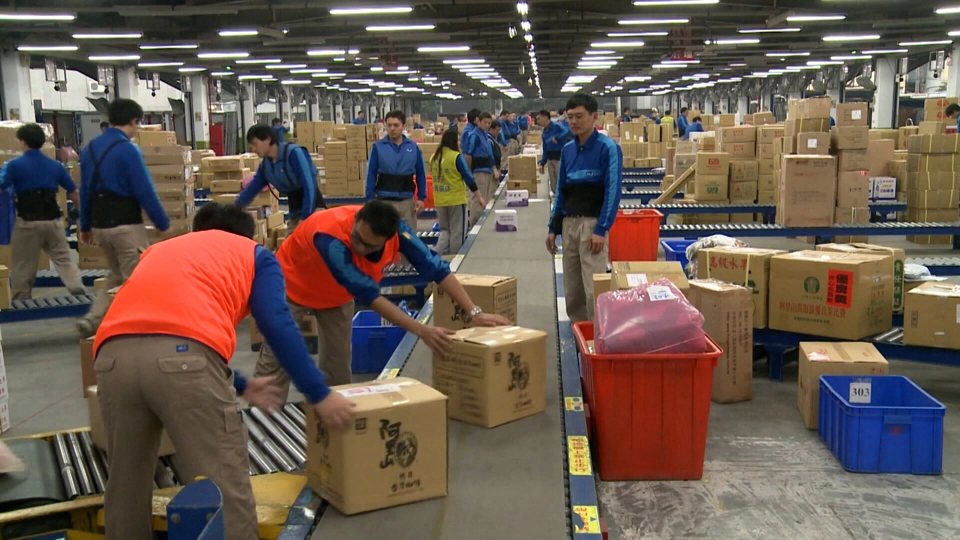 00:33
00:33 01:43
01:43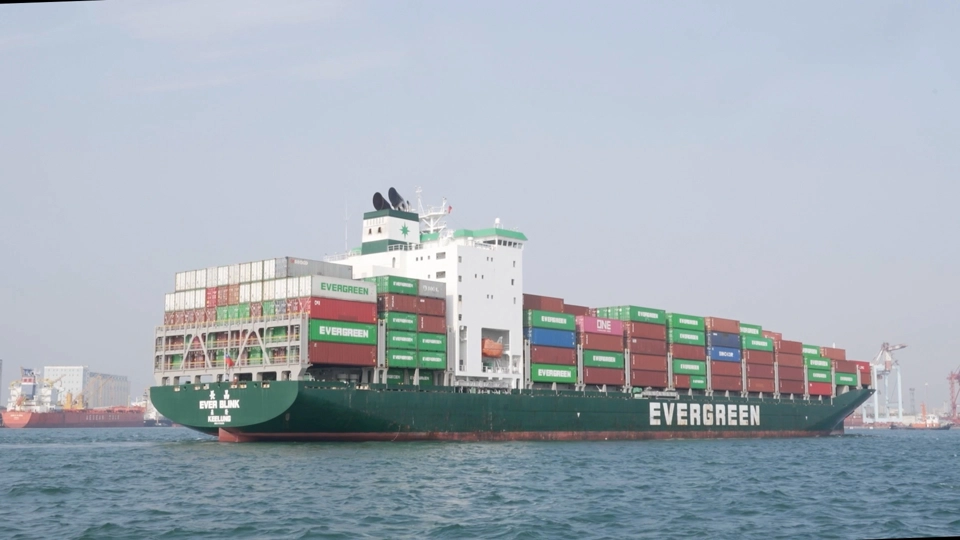 00:31
00:31 00:50
00:50 00:32
00:32 04:46
04:46