Taiwan-South Africa Relations
REPORTER:
South African car factories like these could soon be feeling negative effects, after Taiwan announced that it will restrict exports of 47 products, including computer chips and memory. The latest turn in a dispute over Taiwan’s diplomatic missions in the country. On July 21 this year, the South African government issued a statement regarding the renaming and downgrading of the Taiwan representative office in South Africa and the Taiwan office in Cape Town. In order to safeguard national sovereignty and dignity, the Taiwan government has implemented a countermeasure of restricting the export of chips to South Africa.
REPORTER:
At the center is South Africa’s move to downgrade Taiwan’s representative office from a so-called “Liaison office,” to a “Commercial office” and to move it out of the political capital Pretoria to the country’s largest city, Johannesburg. But Taipei protested the decision from the start, and continues to operate at its Pretoria location. The export controls represent an escalation from Taipei, and while South Africa is not a major buyer of advanced chips, certain local industries could be affected. South Africa’s capacity in semiconductor manufacturing and design is limited so it relies on imported, mature-node chips. If export controls are applied, industries like electronics manufacturing, telecom equipment and auto parts will be affected.
REPORTER:
The move marks a turning point in Taiwan’s use of export controls for diplomatic purposes.
Cyril Ramaphosa (PRESIDENT):
The reduction of exports to South Africa obviously will impact on us, but we will always find a way of dealing with them, or with that, with that issue. So in our view, the step that we have taken has been taken by many other countries in the world with regard to Taiwan. And our view is that it should not be over politicized.
REPORTER:
Taiwan’s role as a key chip supplier creates opportunities to leverage its position in this way. But some experts say, as chips made in countries like South Korea and China continue to advance, the strategy also poses a risk of backfiring.
Unnamed Expert:
You might open up a trade opportunity for mainland China in the future, maybe hurting Taiwan's export market in South Africa in the future, because once it's gone, maybe it's gone. They might find alternative sources. So, yes, in the short term, might work, but in the long term, might not.
REPORTER:
Taiwan’s foreign ministry says it wants to consult with South Africa in the 60 days before the export controls take effect, a window that could show whether both sides dial down tensions or dig in in their respective positions.
 01:51
01:51 00:27
00:27 00:41
00:41 00:45
00:45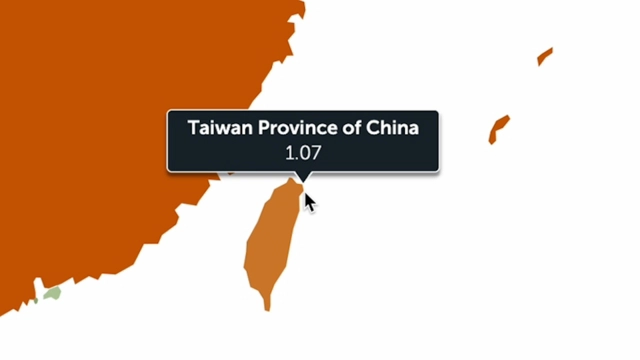 00:32
00:32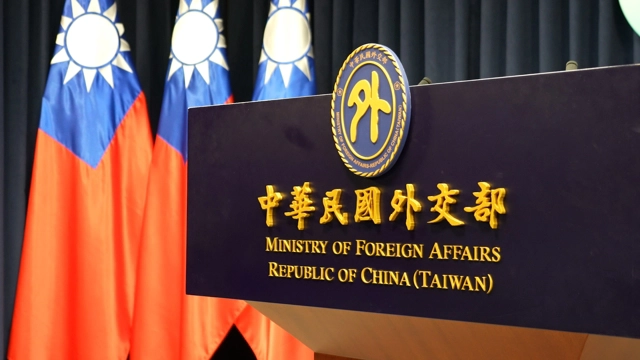 01:26
01:26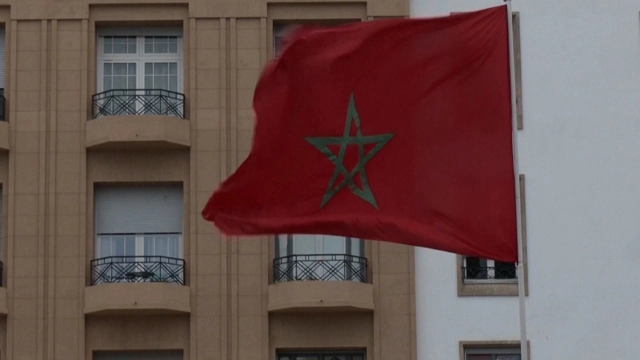 00:26
00:26 00:30
00:30 00:27
00:27 00:37
00:37 12:53
12:53 02:39
02:39 03:33
03:33 02:39
02:39 03:08
03:08 00:44
00:44