Taiwan-South Korea Naming Dispute
REPORTER:
What thoughts do you have on this naming dispute between Korea and Taiwan?
Ding Shuh-fan (PROFESSOR EMERITUS, NCCU):
Taiwan’s identity is closely tied to this issue because we do not want to be seen as part of the People’s Republic of China [PRC]. In the international community today “China” is represented by the PRC. Although within Taiwan, some people, particularly those aligned with the pan-blue camp, believe that the Republic of China [Taiwan] is also “China.” But internationally speaking, “China” generally refers to the PRC. This is why the Democratic Progressive Party wants to change our identity, such as how we are listed when entering South Korea, to “Taiwan” in order to avoid being perceived as part of the PRC.
REPORTER:
Do you think Korea's strong economic ties to China have any influence on the situation?
Ding Shuh-fan (PROFESSOR EMERITUS, NCCU):
I don’t know whether South Korea will make any changes. But we must emphasize that South Korea’s economic relationship with China today is that of a competitor. This is very different from 10 years ago, including when former President Moon Jae-in was in office. That said, South Korea still holds certain expectations toward China. For example, it hopes China can help restrain or influence North Korea. Because of this, South Korea is still cautious about offending China and hopes China can contribute to peace and stability on the Korean Peninsula.
REPORTER:
Moving forward, what do you expect from Korea-Taiwan relations.
Ding Shuh-fan (PROFESSOR EMERITUS, NCCU):
It depends on which political party is in power, as different administrations will take different approaches. During the term of former South Korean President Yoon Suk Yeol, relations between South Korea and Taiwan became quite close. But despite this closeness, South Korea did not formally recognize Taiwan diplomatically. Despite that, during his time in office, South Korea placed considerable importance on Taiwan and exchanges between the two sides became very frequent, closer than under any previous South Korean government. In general, more conservative governments are likely to maintain closer ties with Taiwan, while parties considered more progressive, such as the current Lee Jae Myung administration, may see relations become somewhat more distant.
 08:10
08:10 03:50
03:50 03:34
03:34 00:33
00:33 00:35
00:35 03:04
03:04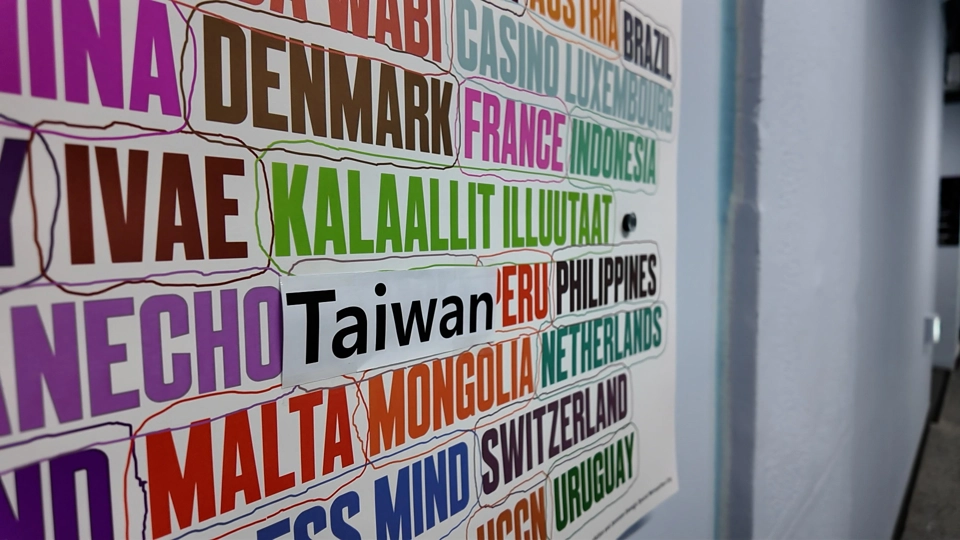 02:03
02:03 00:41
00:41 01:12
01:12 02:16
02:16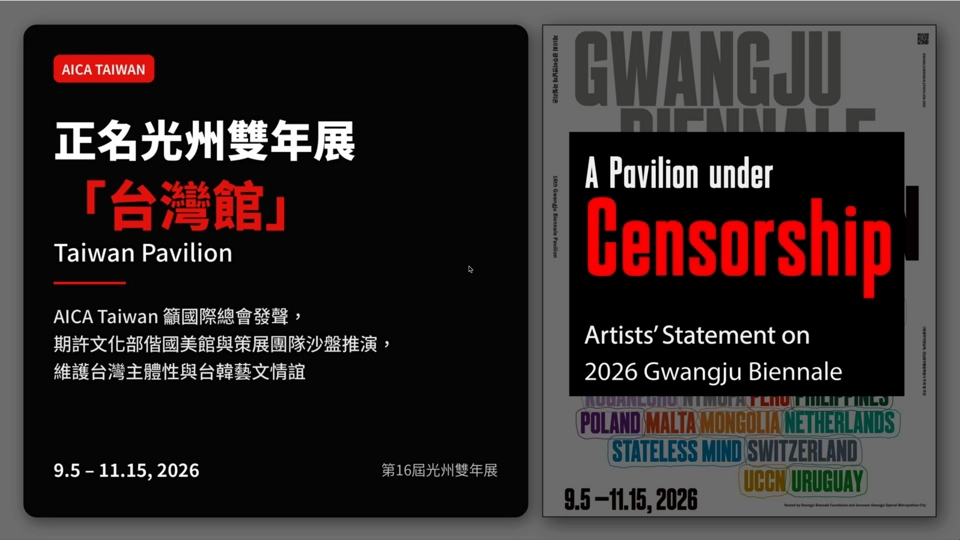 01:04
01:04 00:34
00:34 01:04
01:04 00:32
00:32 00:41
00:41 02:21
02:21