*This AI-generated summary is based on reporting by TaiwanPlus and verified by newsroom fact checkers. Learn more about our policy here.
Hualien Businesses Struggle To Recover One Year After Devastating Earthquake
HUALIEN, Taiwan – One year after a powerful earthquake rocked Taiwan’s east coast, the once-bustling tourist city of Hualien is still struggling to get back on its feet.
At the Dajili Tribal House, a Truku-run Indigenous activity center nestled at the foot of Taroko National Park, handmade crafts hang silently in an empty gift shop. Its proprietor Suking Kiosi says business has barely recovered. “It’s not worth counting last year’s profits,” she says. “There was no income.”
The magnitude-7.2 earthquake that struck in April 2024 caused landslides and widespread infrastructure damage across Hualien County. Among the hardest-hit sectors was tourism, the lifeblood of the local economy. Despite government subsidies and promotional campaigns, visitor numbers remain low.
According to the Hualien’s tourism bureau, the region is operating at just 30-40% of its usual tourist volume. At night markets once packed with visitors, many stalls sit shuttered. Vendors who remain report earnings down by at least 50%. “People are afraid to come,” said one. “They think if the road gets blocked again, they’ll be trapped.”
That fear is not unfounded. Taroko National Park, Hualien’s crown jewel and one of Taiwan’s top tourist destinations, remains largely closed due to ongoing safety concerns and delayed repairs. Park officials say they cannot estimate when it might fully reopen. “Annual typhoons and heavy rains impact our construction progress,” explained Lin Chung-shan, deputy director of the park’s management office.
The situation has forced many local businesses to get creative. Suking Kiosi has turned to low-carbon tourism, offering bicycle tours and planting traditional crops in nearby fields to develop new visitor experiences. “We’re trying to create something sustainable—something that connects people to our culture,” she said.
Authorities are also encouraging innovation. “Operators must create their own unique elements and stories to form emotional connections with travelers,” said Hualien tourism bureau director Joshua Yu. He emphasized that Hualien offers more than just Taroko Gorge. “Taroko needs to rest,” he said. “But Hualien still has rich nature and vibrant culture worth exploring.”
Still, the road to recovery is steep. Infrastructure rebuilding is slow, and many locals feel abandoned. Despite a few signs of hope— Dajili Tribal House is expecting an uptick in reservations after May—business owners say the uncertainty of more natural disasters keeps tourists away and investment frozen.
Even so, Kiosi remains determined. “We are ready to welcome everyone again,” she says with a quiet conviction, standing in her empty restaurant.
Kris Ma, Jeffrey Chen and Reece Ayers reported from Hualien for TaiwanPlus.
 00:26
00:26 01:39
01:39 00:32
00:32 01:51
01:51 01:27
01:27 00:43
00:43 00:24
00:24 01:38
01:38 02:27
02:27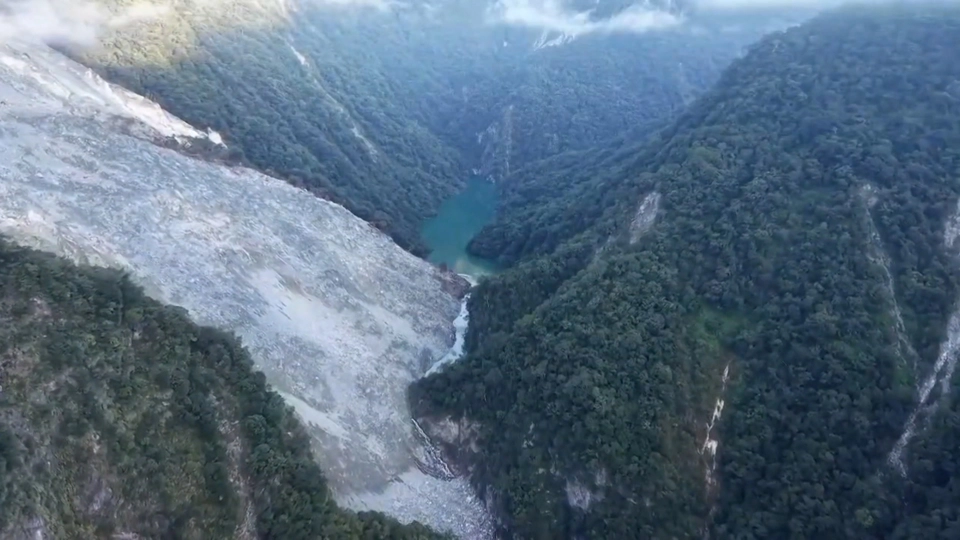 01:44
01:44 00:31
00:31 00:52
00:52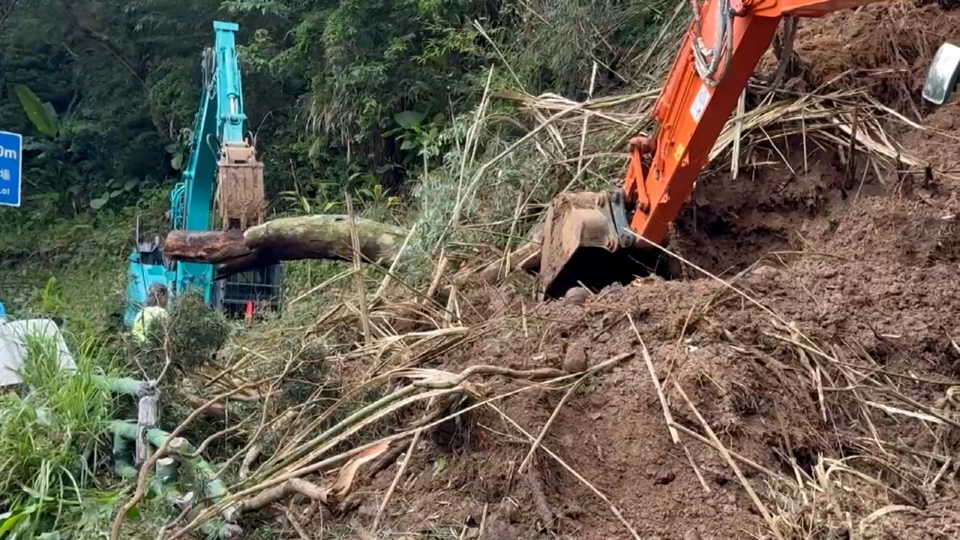 01:41
01:41 02:17
02:17 01:36
01:36 01:32
01:32