Indigenous Communities Still Struggling a Year On From Hualien Earthquake
Indigenous people along Taiwan’s east coast are struggling financially after being displaced one year on from the deadly earthquake that shook the region.
*This AI-generated summary is based on reporting by TaiwanPlus and verified by newsroom fact checkers. Learn more about our policy here.
One Year After Earthquake, Indigenous Communities in Hualien Still Rebuilding
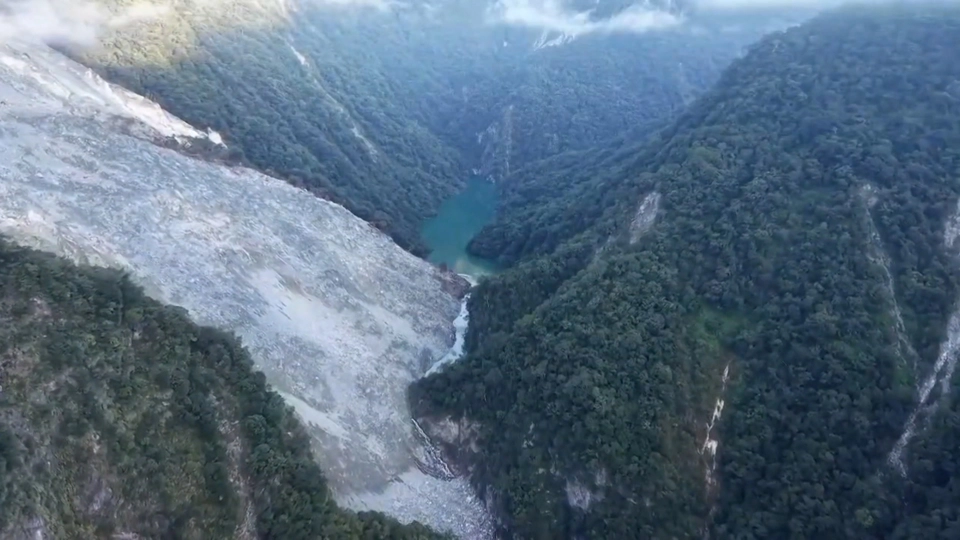
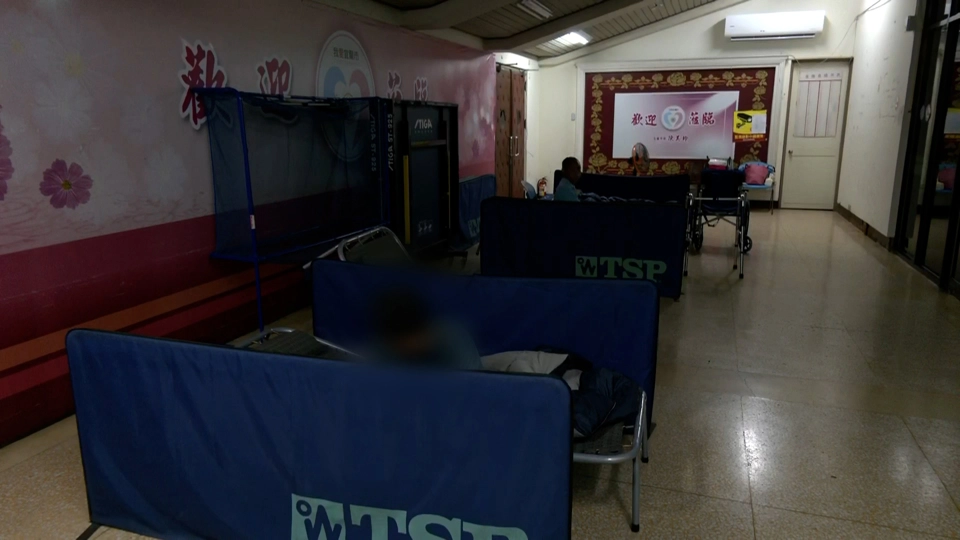
HUALIEN, Taiwan — A year after a magnitude-7.2 devastated Taiwan’s east coast, many Indigenous residents remain displaced, navigating temporary jobs and uncertain futures far from their ancestral homes.
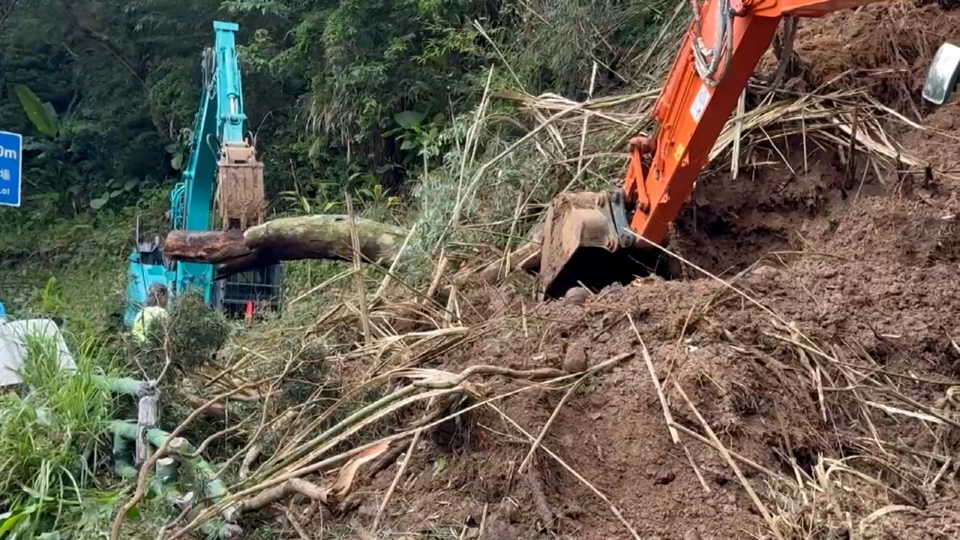
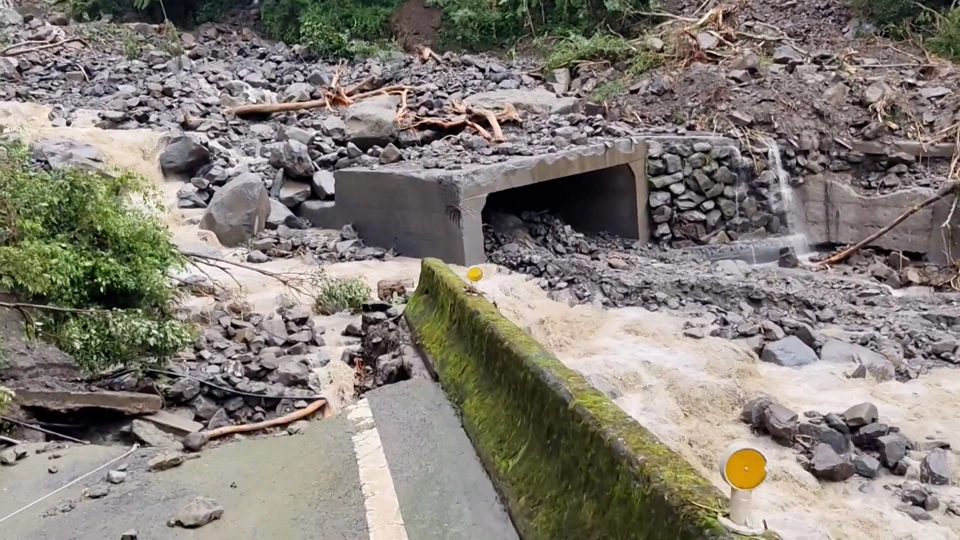
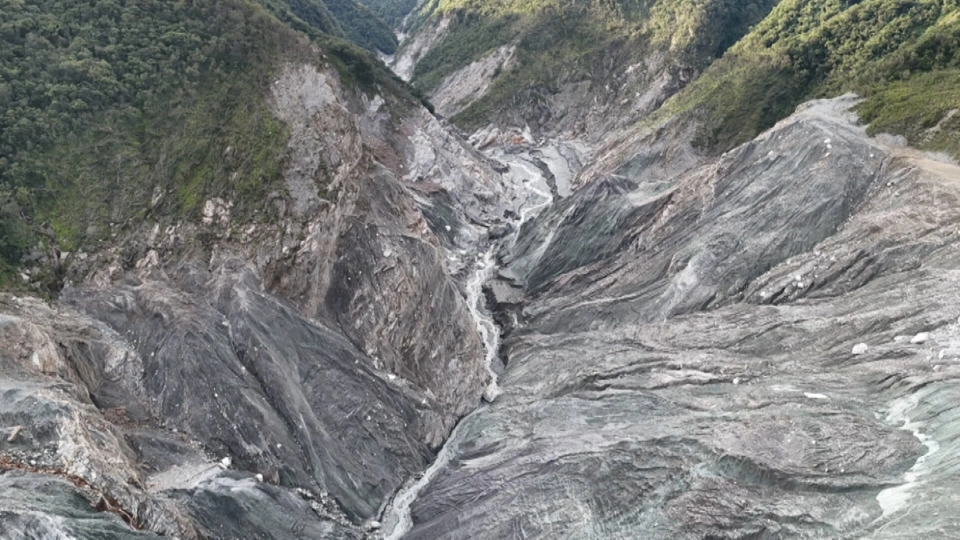
Among them is 69-year-old Chu Hsia-lan, a member of the Truku Indigenous group. Known to friends as Ama, she once guided tourists through the mountains of Dali Village. That changed when the quake triggered massive landslides, killing at least 18 people and cutting off access to remote communities.
“They pulled us up one by one and we sat inside,” Chu recalled, describing her rescue by helicopter. “The sound [of the quake] is stuck in my mind. There’s no way to forget it.”
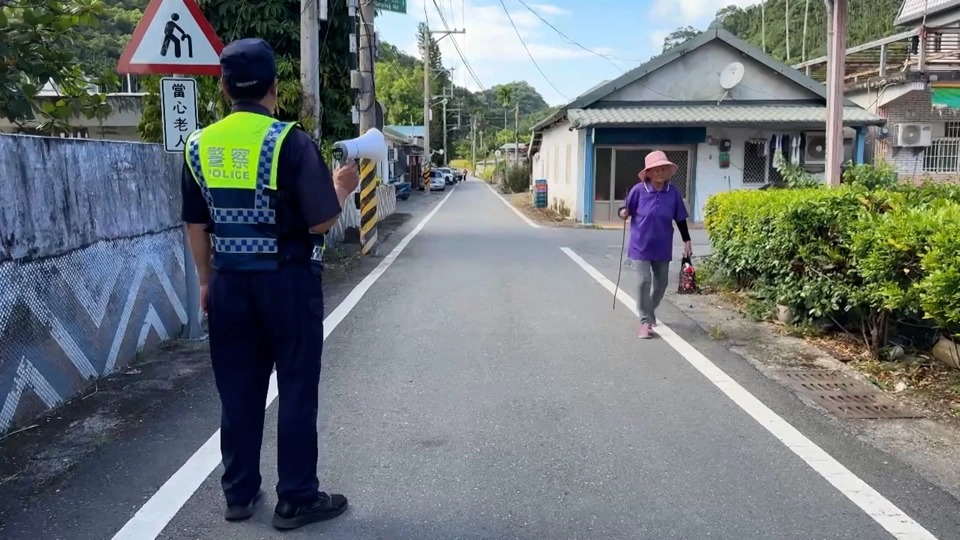
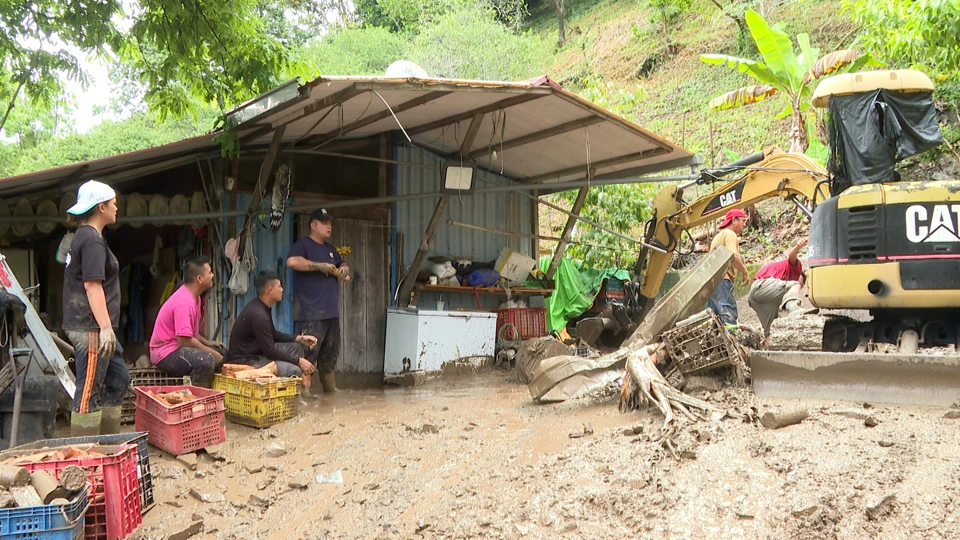
In the months that followed, Chu and her family moved down from the mountains to seek work. With tourism in her village virtually wiped out, she now sweeps streets through a government-sponsored temporary employment program. “We had no customers up in the mountain. So we came down to find work,” she said. “My son too. He also had to find work. When will things recover? I don’t know.”
Chu is far from alone. Many Truku residents, who number around 30,000 in Taiwan, have taken similar steps. The quake not only destroyed roads and homes but also fractured traditional livelihoods rooted in place and community.
In the town of Xincheng, Uming Lowking and several former hotel staff from Taroko National Park started a cafe called Whispering Mountain. The park, once a major employer and tourist attraction, remains mostly closed due to quake damage. “Opening a store is a gamble,” Uming said. “Our main goal is to provide a place for people to gather… What’s most important is giving our culture the chance to continue.”
For others, like Karaw, a long-time representative for his Indigenous community, the aftermath has exposed deeper inequalities. He says bureaucratic hurdles have prevented many elders in the mountains from accessing aid. “It’s difficult to get subsidies,” he said. “For example, elderly people have no way of applying for the required documents… They’re not thinking about our small village. It’s been pushed right to the back.”
With temporary employment programs set to expire in the coming months, the future is uncertain. Many in the community are calling for long-term support and infrastructure rebuilding to ensure they are not forgotten. Despite the hardship, Indigenous communities in Hualien are surviving by banding together.
Kris Ma, Jeffrey Chen and Reece Ayers reported from Hualien for TaiwanPlus.