*This AI-generated summary is based on reporting by TaiwanPlus and verified by newsroom fact checkers. Learn more about our policy here.
Pingtung Farm Battles Wild Frog Poaching
In southern Taiwan, a pioneering farm is helping to combat the poaching of frogs, instead breeding them to preserve the species and meet global demand for exotic pets. The farm, known as Full of Frogs, is Taiwan's only legally registered frog-breeding facility.
At the farm, elementary school students are learning hands-on about frog conservation, interacting with species such as the African bullfrog and exploring the role these amphibians play in biodiversity. The farm raises over 100,000 frogs annually from more than 20 species and exports 80% of its stock, primarily to North America and Europe.
"We want to stop illegal poaching by offering a sustainable and ethical source of frogs for the global market," said Damon Chen, the founder of Full of Frogs and an aquatic veterinarian. "By breeding frogs in a controlled environment, we can replace wild frog poaching with a more ethical approach."
The farm's success is impressive. Its horned frogs, for example, make up 70% of the U.S. market, meaning that seven out of every 10 horned frogs in the U.S. come from this one Taiwanese facility. Before being shipped abroad, the frogs are carefully checked to ensure they are in good condition, with a death rate of only 1%.
"Out of every 100 frogs, typically one or none doesn’t make it," said Lin Cheng-kuan, the farm's director. "Our goal is to have zero deaths." The farm takes meticulous care of the frogs at every stage from tadpole to adult, focusing on feeding, water quality, temperature control and overall well-being.
Chen's mission to protect endangered frog species is already yielding results. Two species—the Surinam horned frog and the Indonesian White’s tree frog—have been successfully bred at the farm, which has halted their poaching in the wild.
"If we replace the very first part in the supply chain, we can offer better quality, better animal welfare and even lower prices to compete with poachers," Chen said. "Won’t we be able to replace them? I think so."
In addition to his breeding efforts, Chen has also made bold business decisions that have contributed to the farm's success. "For a long time, the pet and aquarium industry relied heavily on the Chinese market. The best decision I made was to exclude the Chinese market from the very beginning and focus on the European and American markets," he explained. "We now have more orders than we can handle, and we’re not selling any animals to China."
Chen’s goal is to change the fate of 1% of all frog species in the international pet market, including about 40 species. Thanks to Taiwan's strict regulations, native frogs are not sold internationally but Chen collaborates with research institutions to develop conservation models for Taiwan’s endemic species.
As part of his outreach efforts, Chen opened Taiwan's first exotic pet store in Pingtung last year, aimed at educating the public about proper frog care and conservation.
"We want to educate our customers about the importance of protecting these animals," said Chiang Yin-sheng, the store's owner. "With more dedicated businesses and stricter government regulations, we are moving in the right direction."
While there is still much work to be done in frog conservation, Full of Frogs farm is proving that environmental protection and successful business can go hand in hand.
 01:33
01:33 03:51
03:51 03:29
03:29 01:36
01:36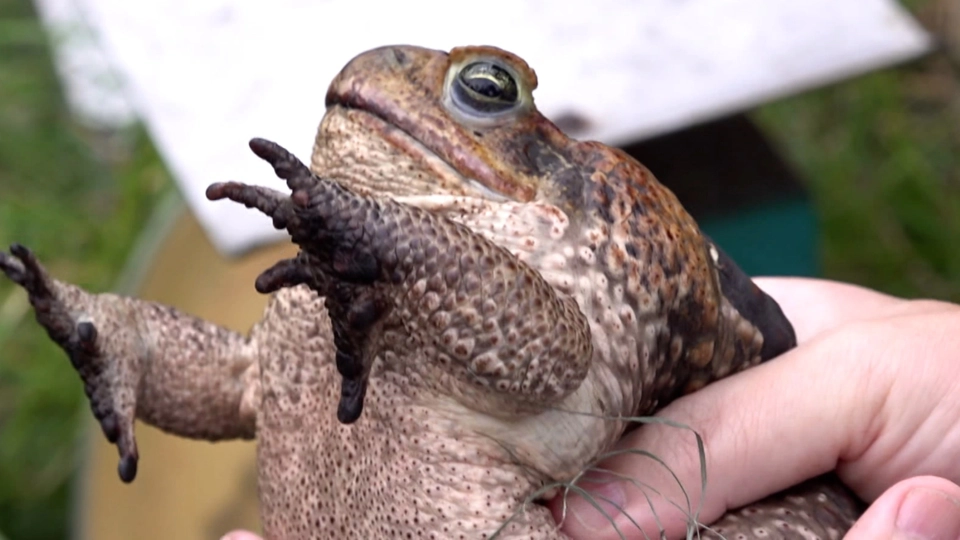 02:02
02:02 00:32
00:32 01:38
01:38 00:26
00:26 00:52
00:52 01:58
01:58 02:01
02:01 03:09
03:09 02:56
02:56 00:30
00:30 00:29
00:29 00:42
00:42