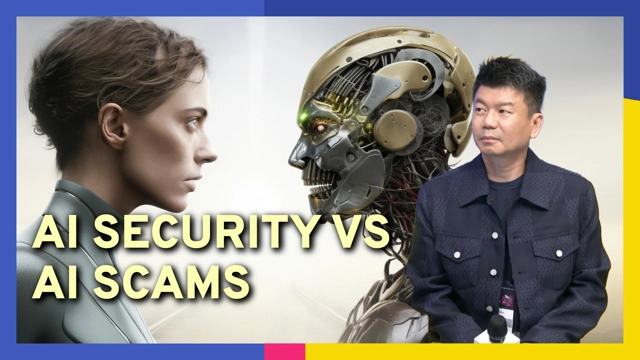
Generative AI has unlocked extraordinary new possibilities, but it has also fueled an unprecedented wave of disinformation, fraud, and identity theft. From hyper-realistic Deepfake videos and cloned voices to AI-powered romance scams and business email fraud, the line between real and fake is becoming increasingly difficult to detect, even for experts in the field.
In this episode, we speak with Paul Liu, Chairperson of the Taiwan Digital Security Development Association (TDSDA), to explore how rapidly Deepfake technology is evolving, why AI-driven scams are becoming more sophisticated, and what individuals, businesses, and governments can do to protect themselves. We also discuss the emerging AI-versus-AI battle that is reshaping cybersecurity, privacy, and the future of digital trust.
KEY HIGHLIGHTS:
WE EXAMINE REAL-WORLD CASES OF AI-ENABLED FRAUD
High-profile financial scams make headlines, but what about the growing risks for the general public posed by voice cloning, face-swapping, and AI-generated social engineering?
FIGHTING BACK
We look at the technologies being developed to fight back against scammers, including AI-powered fraud detection systems.
THE ROLE OF REGULATION AND SELF-PROTECTION
As cybercriminals continue to adopt increasingly powerful AI tools, can defensive technologies keep pace? What role do regulations, international cooperation, and personal vigilance play in safeguarding trust and ensuring online security?
 12:51
 12:36
 12:01
 12:14
 12:51
 12:50
 12:46
 12:44
 12:50
 12:31
 12:51
 12:51
 12:45
 11:49
 12:51
 12:51