The rapid deployment of artificial intelligence is shattering traditional industrial automation stereotypes by turning mechanical hardware into thinking coworkers. In modern manufacturing ecosystems, advanced robotic arms are gaining the visual and tactile intelligence required to interpret complex environments and make autonomous decisions on the factory floor. What is the core engineering design needed to scale these collaborative robots safely without heavy fixed costs?
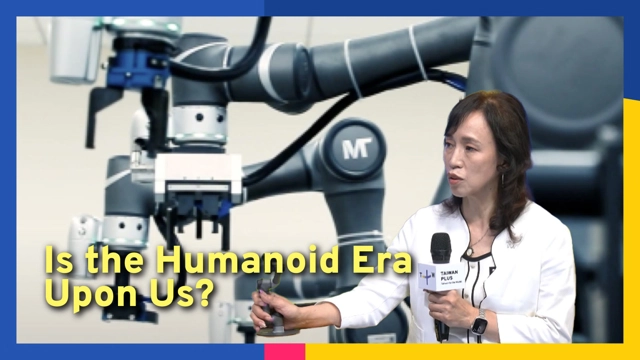
In this COMPUTEX 2026 Special, we welcome Judy Chang, Global Sales Director of Techman Robot, to deliver expert tech insights on the evolution of Embodied AI. Chang explains how integrating built in vision software with heavy precision machinery allows hardware networks to achieve industrial grade stability and predict safety risks before friction occurs. Discover the strategic navigation required to run human-machine hybrid teams, optimize product assembly across different time zones, and leverage a proactive system that can predict mechanical failure minutes in advance to protect continuous production lines.
We also examine Taiwan's distinct competitive edge in capturing a leading role in global Embodied AI. As robots become more affordable and humanlike, factories are shifting from hiring a human workforce to deploying highly flexible hybrid squads. Whether you want to understand how stop on contact sensitivity protects human colleagues or how Taiwan holds the winning cards in software-hardware integration, this exclusive interview provides the practical content strategy to understand the future of digital manufacturing.
KEY HIGHLIGHTS:
THE SHIFT FROM FENCED AUTOMATION TO REAL TIME COLLABORATION
Traditional manufacturing relied on isolated automation where heavy industrial hardware had to be fenced off from workers for safety reasons. This segment analyzes how advanced force feedback and vision engineering remove these physical barriers, transforming machines from passive equipment into active teammates that maintain user trust and optimize workflow safety.
THE MECHANICS OF VISION BUILT EMBODIED ARTIFICIAL INTELLIGENCE
Building an original autonomous robot universe requires deep software integration and localized data processing. We unpack how tactile senses and cloud connected algorithms allow a mechanical arm to read environmental cues instantaneously, moving the local tech sector away from contract manufacturing and into standard definers of intelligent robotics.
SURVIVING LOGISTICAL UNCERTAINTY THROUGH PREDICTIVE MAINTENANCE
Operating a modern smart factory carries operational risks if hardware systems break down unexpectedly. Chang discusses the predictive algorithms necessary for forecasting safety anomalies and machinery downtime, ensuring global supply chains minimize structural waste and maintain evergreen productivity.
 12:51
 12:36
 12:01
 12:14
 12:51
 12:50
 12:46
 12:44
 12:50
 12:31
 12:51
 12:51
 12:45
 11:49
 12:51
 12:51