Hakka People’s Deep Connections to Chinaberry Trees - Man and Trees Ep.5
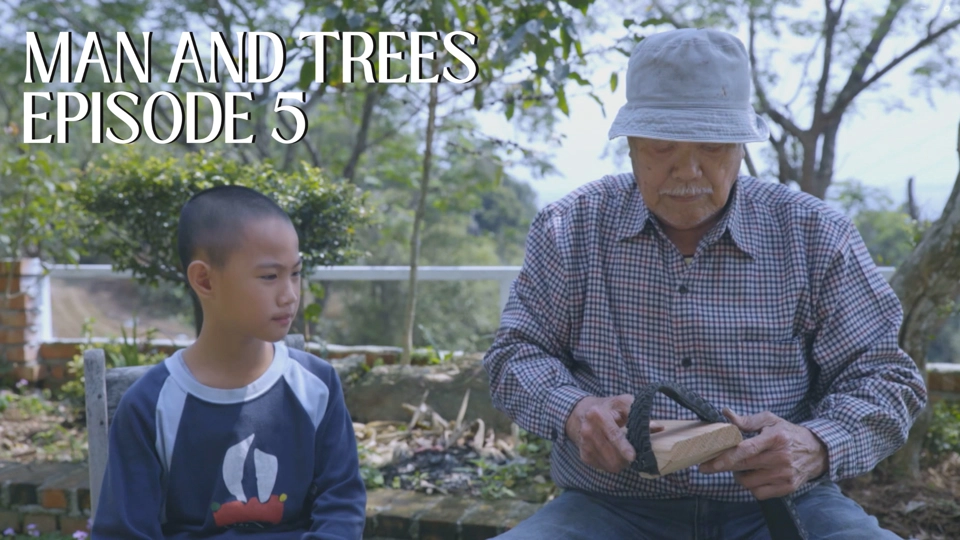
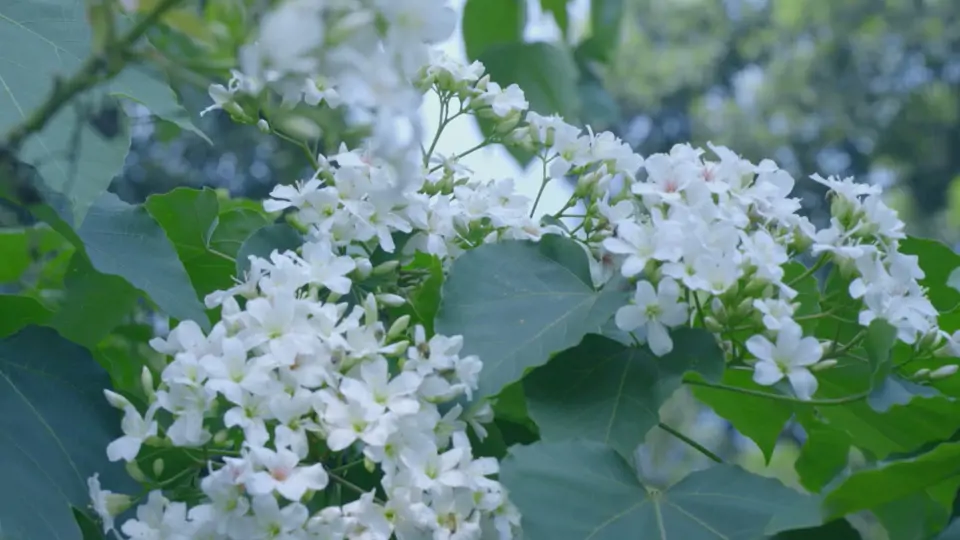
Hakka villages in Taiwan have relied on chinaberry trees for decades to fulfill their everyday needs. How has the chinaberry tree’s significance in these communities changed over time? The chinaberry tree is a fast-growing tree species that is endemic to Taiwan. Its beauty can be appreciated regardless of the season. Throughout the year, chinaberry trees change from growing small, white and purple blossoms to bearing fruit, and eventually shed their berries and leaves, becoming barren in the winter. Hakka people utilize the chinaberry tree more than any other community in Taiwan. Their knowledge of the tree’s many uses continues to pass down through generations. Due to the tree’s quick-growing nature, lightweight wood, and pesticidal properties, it has long been a popular choice for woodworking. The tree is also a friend to farmers, as its growth patterns serve as a guide, telling them when it is time to plant their crops. By steaming the tree’s chipped wood, farmers can create chinaberry vinegar, which, when applied to crops and gardens, makes a very effective organic pesticide. Due to the tree’s prominence in Hakka villages throughout Taiwan, many Hakka people have fond memories of time spent under the shade of chinaberry trees. Old classmates return to local schools to visit trees they planted together during their childhoods. Writers and artists also take inspiration from these trees, which remain resilient in spite of wind and droughts, standing strong for decades.
Up Next
 50:00
50:00The Tung Trees - Man and Trees Ep.6
 48:25
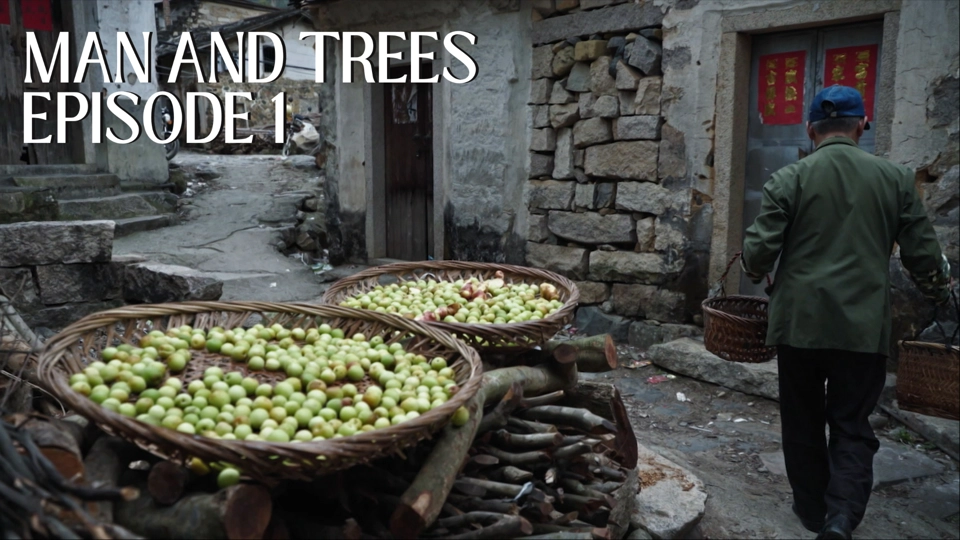
48:25The Mighty Green Plum: Over 2,000 Years of Hakka Tradition - Man and Trees Ep.1
 48:40
48:40Tallow Trees in Hakka Tradition: A Tree for All Seasons - Man and Trees Ep.2
 48:45
48:45The Chaste Tree’s Many Uses - Man and Trees Ep.3
 51:05
51:05Camphor Forests: Taiwan’s Precious Resource - Man and Trees Ep.4