Tallow Trees in Hakka Tradition: A Tree for All Seasons - Man and Trees Ep.2
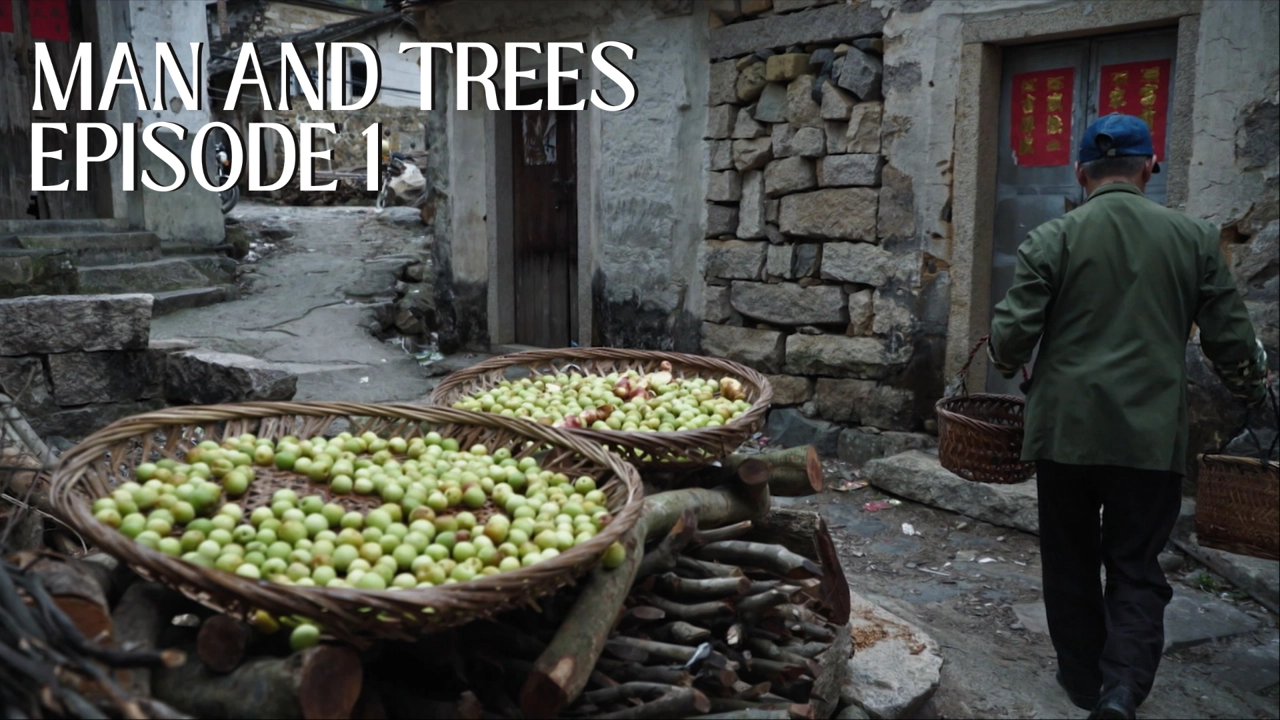
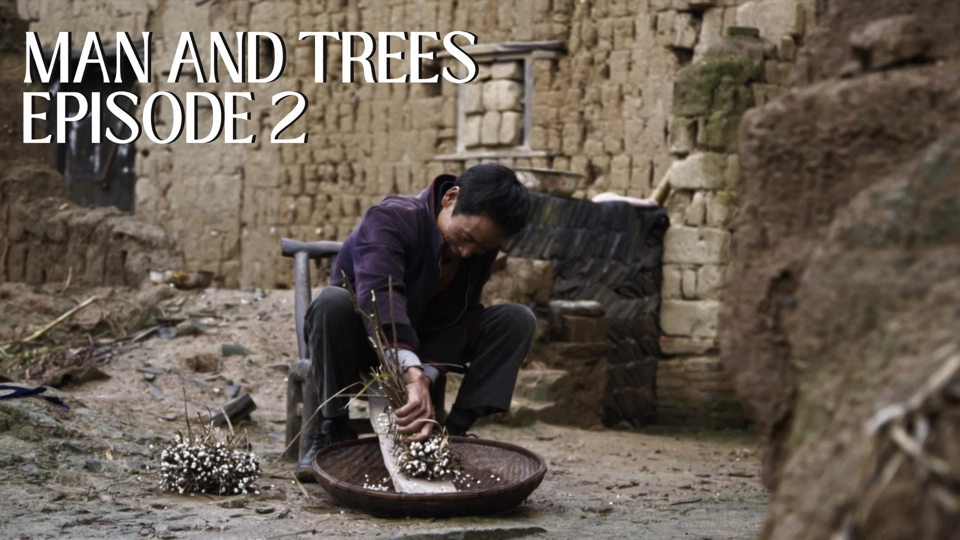
Tallow trees are considered invasive weeds by some, but those in Taiwan who know how to utilize this robust tree fondly call it the "Little Qiong tree.” See why tallow trees have more to offer us than meets the eye. Hakka people in Taiwan and China have learned how to utilize components of the Chinese tallow tree over hundreds of years, and these practices continue to be passed down from generation to generation. For example, every spring, bee farmers harvest tallow honey in Miaoli, Taiwan. Tallow honey is sweeter than other more common types of honey and has its own unique flavor. Spring also brings Pyrops watanabei, a winged treehopper endemic to Taiwan, to the tallow trees, where the insects undergo their metamorphosis. By summertime, they emerge from their cocoons, winged and ready for mating season. Some spend their entire lives on the tallow tree, laying eggs in autumn that hatch by winter. Components of the tallow tree have a surprising number of uses. Although its leaves are toxic to humans, they also have medicinal properties. The leaves can be crushed into a pulp and spread onto itchy skin, creating a soothing sensation. In Hakka villages, tallow leaves have also long been a go-to for creating soft, natural dyes. Since tallow leaves are rich in tannins, fabrics dyed from tallow tend to hold their color well. A variety of dye shades can be achieved by combining tallow dyes with other natural materials. Wood and wax are other common materials harvested from tallow trees. In Hakka farming communities, tallow wood was once commonly used to create ox yokes and other wooden farm equipment. Traditional quilt makers also used a tool called the lun-dou, a giant flat iron made from the polished trunk of a tallow tree. One of the last remaining handmade candle makers in Taiwan still makes candles from tallow wax, which is softer and less brittle than the commonly used paraffin wax. In recent years, due to the adoption of new technologies, these traditional practices have fallen into disuse and risk being lost forever. By documenting them here, these Hakka communities preserve a record of their traditional crafts, many of which are made possible by the resilient tallow tree.
Up Next
 50:00
50:00The Tung Trees - Man and Trees Ep.6
 48:25
48:25The Mighty Green Plum: Over 2,000 Years of Hakka Tradition - Man and Trees Ep.1
 48:45
48:45The Chaste Tree’s Many Uses - Man and Trees Ep.3
 51:05
51:05Camphor Forests: Taiwan’s Precious Resource - Man and Trees Ep.4
 50:30
50:30Hakka People’s Deep Connections to Chinaberry Trees - Man and Trees Ep.5