US Challenges Taiwan Flight Ban
REPORTER:
The US is standing up for Taiwan's right to use international airspace and asking the UN push back against flight restrictions targeting Taipei.
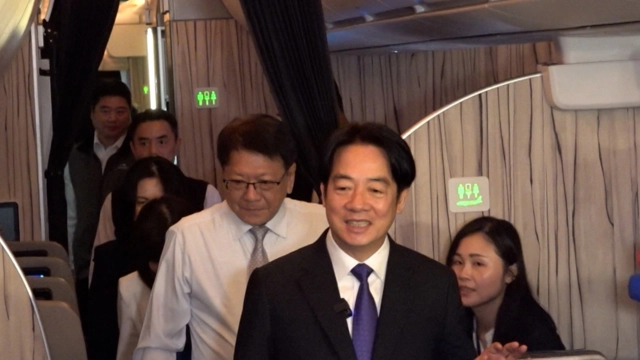
An exclusive report from Reuters says the US has asked the UN to challenge Mauritius and the Seychelles over their decision to revoke overflight privileges for Taiwan's President during a planned diplomatic trip in April. Taiwan's government said that China had coerced these two African countries and Madagascar into cooperating. Beijing, which seeks to limit Taiwan's international engagement, has denied the allegation and rejected US criticism. Taiwan's foreign ministry has thanked the international community for its concern over the issue.
---
US Challenges Taiwan Flight Ban
REPORTER:
The US is challenging a United Nation agency over flight restrictions against Taiwan. The move rekindles Washington's long-running dispute with Beijing over Taiwan's international space.
Reuters reports the US is challenging a decision by countries that revoked overflight permission for President Lai Ching-te's state visit to an African diplomatic ally in April. In a paper to the UN aviation agency, Washington said control of airspace should not be used for political purposes, and warned of setting a dangerous precedent. China rejected the criticism and reaffirmed its one-China principle. Taiwan's foreign ministry thanked the US and other like-minded countries for opposing Beijing's political interference.
 00:40
 01:59
 03:14
 00:34
 02:10
 02:20
 00:43
 00:43
 04:31
 00:25
 02:28
 02:36
 00:42
 02:13
 03:30
 00:32