*This AI-generated summary is based on reporting by TaiwanPlus and verified by newsroom fact checkers. Learn more about our policy here.
Tainan’s Oldest Cemetery Faces Demolition Threat
As Taiwan wraps up the annual Tomb-Sweeping Festival, heritage groups in Tainan are sounding the alarm over the fate of Nanshan Cemetery—home to the island’s oldest known Han Chinese graves, dating back to 1642. The site offers a rare glimpse into Taiwan’s funerary art, with tombs from the Ming and Qing dynasties, the Japanese colonial era, and modern times.
Anthropologist James Morris says Nanshan offers a unique “composite of Tainan’s material culture,” with gravestones made from old ship ballast and designs aligned with traditional feng shui. Tour guide Wu Yan-huang adds that national-level artists contributed to the tombs, though they didn’t sign their work, viewing it as a "bread-and-butter job."
Heritage or Development?
Despite its cultural value, Nanshan Cemetery sits on undeveloped land, making it a prime target for redevelopment. “There’s no infrastructure here,” Morris explains. “That’s what makes this space so threatened.” Across Taiwan, similar cemeteries have been razed in recent decades, erasing layers of history in the name of progress.
Activists warn that only the grand tombs of elite families may be preserved, while those of children and ordinary citizens face removal. “If we only keep the most luxurious graves, can that really represent Tainan’s heritage?” Wu asks.
As city skylines grow, advocates hope Taiwan won’t lose touch with its past. For now, the fate of Nanshan—and the stories it holds—hangs in the balance.
 03:44
03:44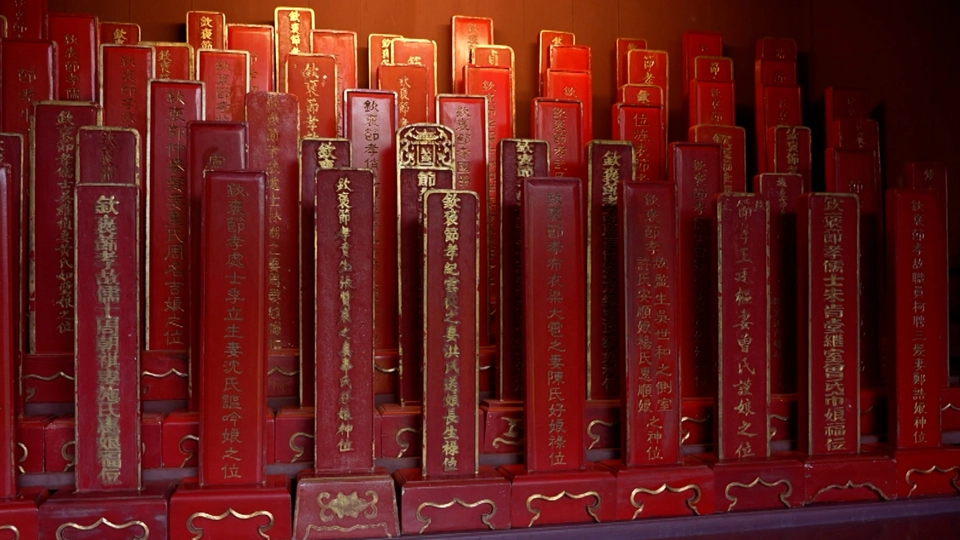 04:27
04:27 02:03
02:03 02:03
02:03 00:27
00:27 02:09
02:09 02:30
02:30 03:28
03:28 00:33
00:33 03:26
03:26 03:29
03:29 03:18
03:18 01:24
01:24 02:31
02:31 01:21
01:21 01:42
01:42