REPORTER:
Due to unstable gas supply brought by war in the Middle East, the government is increasing coal power generation. Lena, when the need for energy security comes into conflict with Taiwan’s de-carbonization goals, how do we balance the two?
Lena Chang (GREENPEACE):
We must break the myth that security and carbon reduction are mutually exclusive. Because in fact, decarbonization is the only way to truly improve our national defense and security. Taiwan currently relies on imports for 95% of its energy, especially natural gas, which accounts for as much as 50%. Therefore, any extreme event such as war or extreme weather will affect our imported fuels. So ultimately, we need to achieve carbon reduction simultaneously.
REPORTER:
Then, why does Taiwan keep falling back on coal in times of crisis? What immediate alternatives are available?
Lena Chang (GREENPEACE):
The main reason is that our power system is still too rigid. We are used to centralized power generation such as large coal-fired, gas-fired or nuclear power units. This rigid power system leaves us with limited options. Furthermore, our energy security needs hinge on the localization of our energy resources. We possess abundant solar and wind power as well as geothermal energy, which has enormous potential and can serve as a 24-hour baseload power source. The development of this renewable energy market must be guided by proactive government policies.
REPORTER:
How can the government work with the private sector to better strengthen energy security?
Lena Chang (GREENPEACE):
Businesses can work with the government to promote microgrids and large-scale energy storage facilities in science parks and industrial zones. The concept is like installing a large mobile power source within the park. For example, in the Netherlands, industrial companies often establish their own energy hubs within their industrial zones, jointly investing in renewable energy, microgrids and energy storage facilities. This allows them to share and manage electricity on site, saving energy and reducing reliance on the main power grid and avoiding competition with residents for electricity.
 01:01
01:01 01:23
01:23 00:34
00:34 02:08
02:08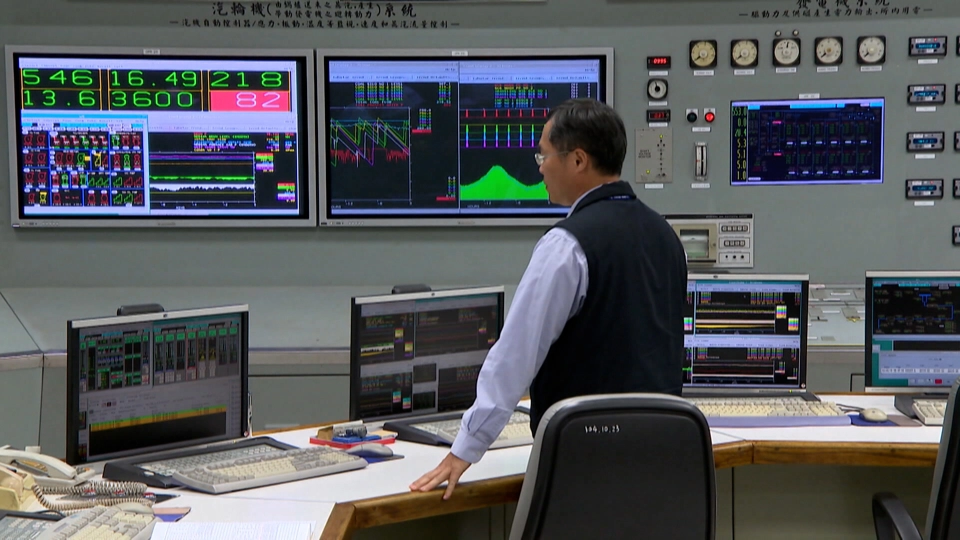 00:40
00:40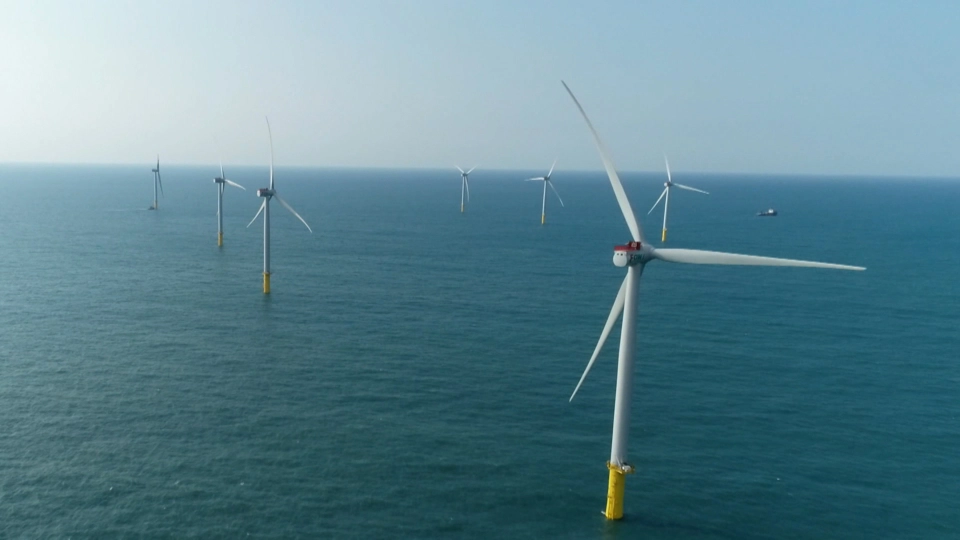 00:47
00:47 01:25
01:25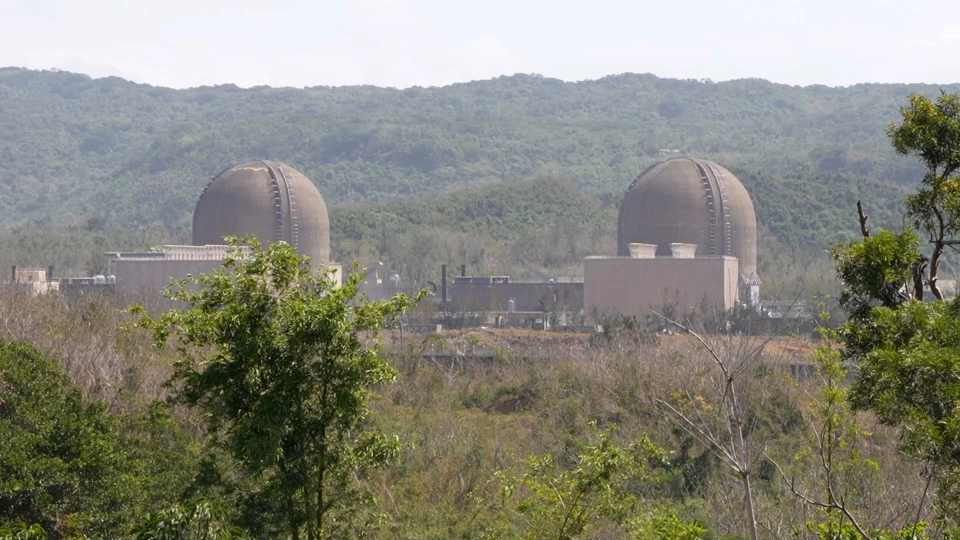 01:55
01:55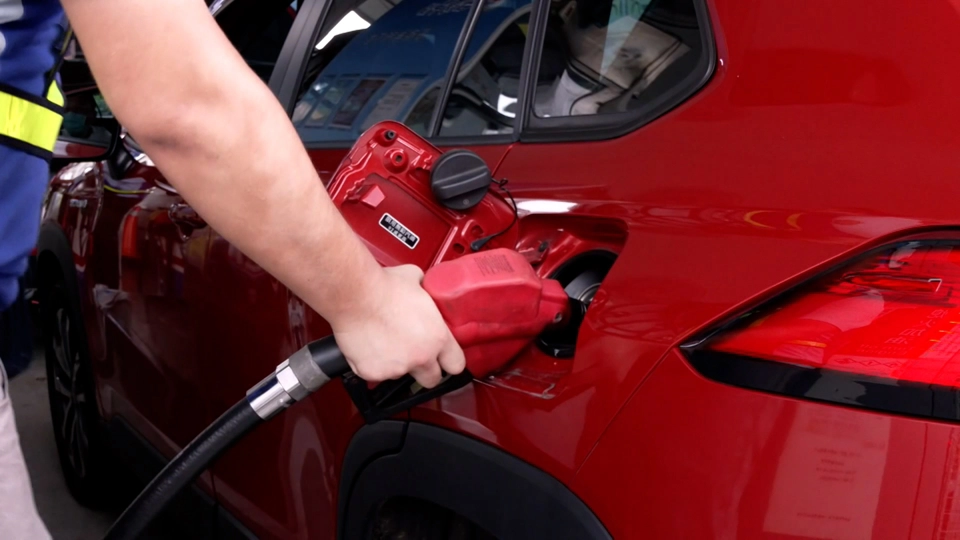 00:44
00:44 01:18
01:18 00:28
00:28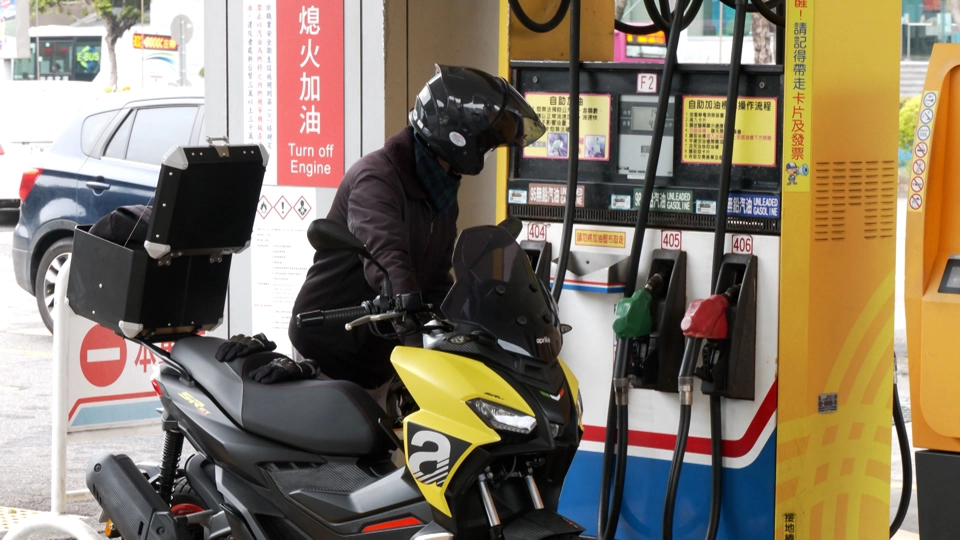 01:33
01:33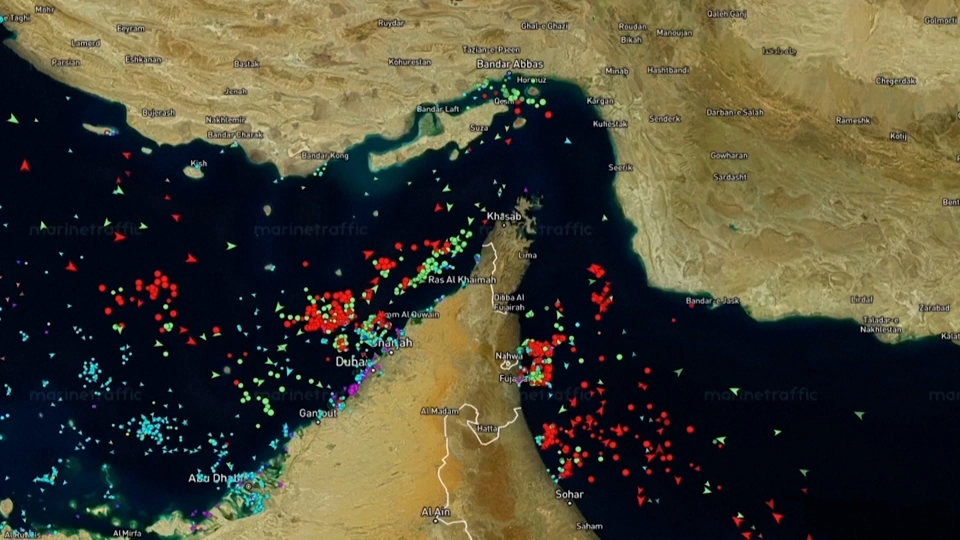 02:05
02:05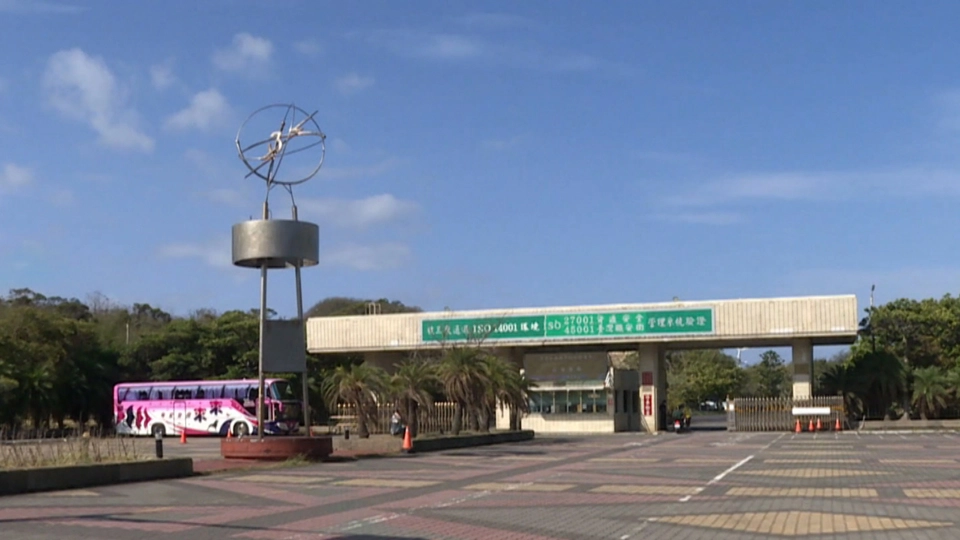 00:57
00:57 03:15
03:15 00:37
00:37